
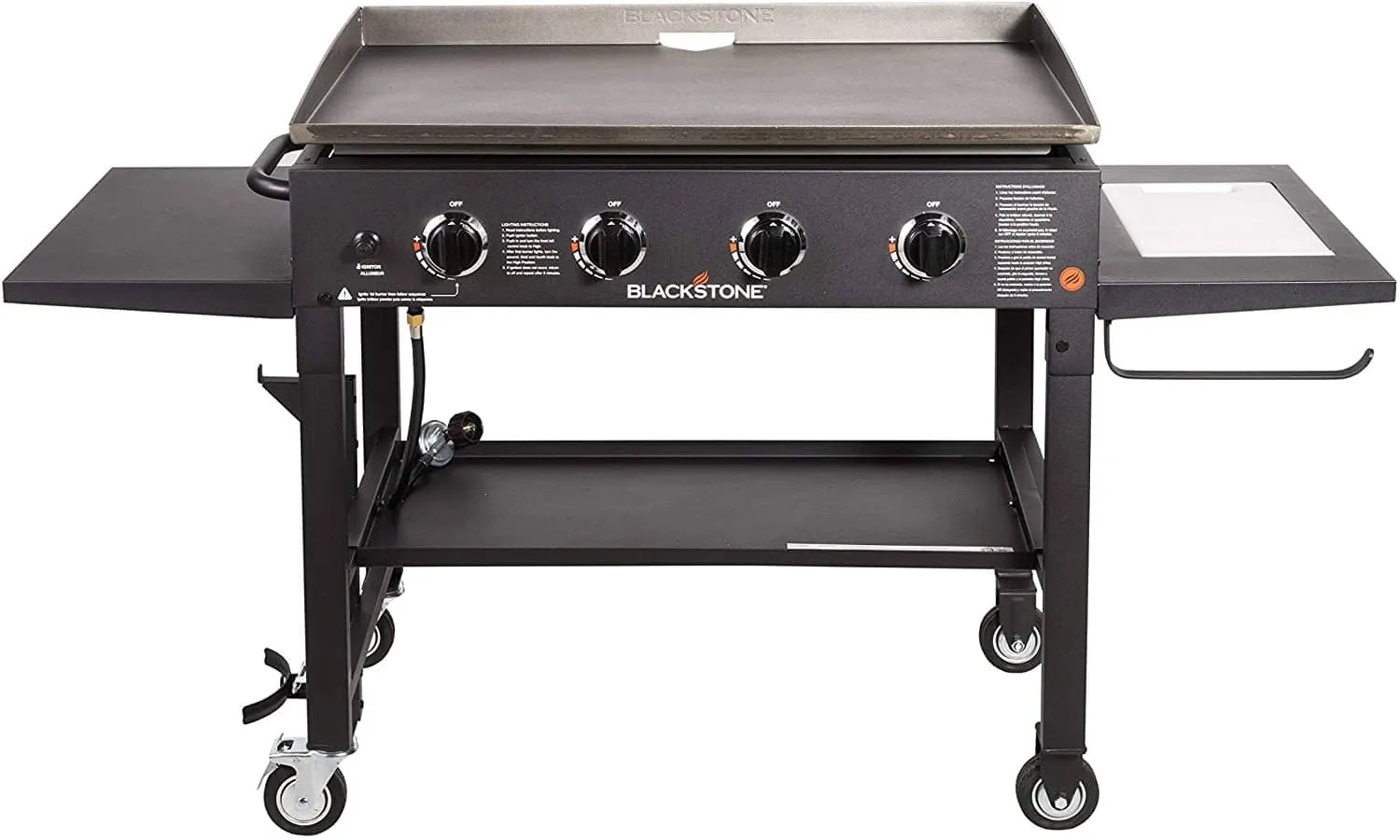
Blackstone Troubleshooting: Fix Every Common Griddle Problem
Every Blackstone problem feels catastrophic in the moment: the griddle won’t heat, the igniter’s dead, there are black flakes in the eggs. Here’s the reassuring truth from years of running three of these griddles: almost none of it is a broken griddle. The same short list of causes explains nearly every complaint, most fixes take minutes, and the genuinely-broken scenarios usually end with an inexpensive part, not a new griddle.
This page is the diagnostic desk. Find your symptom in the table, get the short answer, and follow the link when you want the full walkthrough. (Brand-new griddle that hasn’t cooked yet? Most “problems” at that stage are just the setup sequence. Start with your first cook guide.)
Symptom Index
| Symptom | Most Likely Cause | The Fix |
|---|---|---|
| Low, weak flames on every burner | Regulator safety device tripped | Reset the regulator |
| One burner weak, others fine | Clogged burner tube (spiders love them) | Clear the tubes |
| Flame keeps blowing out | Wind across the burner intake | Flame problems |
| Yellow or orange flames | Incomplete combustion: blocked burner tube | Flame problems |
| Food steams instead of searing | Under-preheated surface or wind | Heat troubleshooting |
| Igniter silent: no click | Dead or backwards AA battery | Igniter fixes |
| Igniter clicks, no flame | Wet or greasy electrode, or a gas problem | Igniter fixes |
| Surface is sticky or gummy | Unpolymerized oil: coats too thick | Sticky seasoning fix |
| Black flakes in the food | Seasoning bonded over residue | Flaking seasoning fix |
| Food sticks to the surface | Surface too cold, or moved too early | Why food sticks |
| Smoking heavily during cooks | Residue and old grease burning off | Cleaning guide |
| Orange or brown patches | Rust: moisture sat on bare steel | Rust removal |
| Oil pools in the middle | Heat crown (normal) or a true warp | Warped top guide |
| Can’t hold temperature in the cold | Propane pressure drops below 30°F | Winter griddling |
| One side cooks hotter than the other | That’s a feature: learn to use zones | Heat zones guide |
| Came out of storage orange | Stored damp or under a tarp | Rust removal + storage guide |
| Grease overflowing or not draining | Griddle out of level, or a full cup | Grease problems |
| Grease fire | Built-up grease reached ignition point | Smother it: never water |
| Smells like propane | Loose fitting or a leak: shut the tank off first | Safety checks |
The Griddle Won’t Get Hot
The most common Blackstone complaint, and the most consistently misdiagnosed. If every burner is weak, it’s almost always the propane regulator sitting in safety mode. Its flow-limiting device trips when the tank valve gets opened too fast, and it then starves the burners until you reset it. The reset takes two minutes: everything off, disconnect the regulator from the tank, wait a full 60 seconds, reconnect, and open the valve slowly.
If only one burner is weak, it’s not the regulator. It’s a clogged burner tube, usually courtesy of a spider. And if the burners roar but food still steams, the culprit is an under-preheated surface (8-10 minutes minimum, verified with an infrared thermometer), wind stealing heat, or a nearly empty tank.
Full guide: Blackstone Not Getting Hot? 7 Fixes
The Flames Look Wrong
A healthy burner runs mostly blue with crisp cones. Yellow or orange flames mean incomplete combustion: the burner isn’t getting enough air, almost always because something is blocking its tube. Spider webs are the top offender (spiders are genuinely attracted to the odorant in propane), followed by debris around the air gate. Flames that blow out constantly are a wind problem, and a flame burning at the back of the burner tube instead of at the ports is the one flame symptom that means shut it down now.
Full guide: Blackstone Flame Problems: Yellow, Uneven, and Blowing Out
The Igniter Won’t Fire
An igniter that won’t click is almost always the AA battery behind the round ignition button: dead, installed backwards, or still wearing its plastic pull-tab on a brand-new griddle. Clicking without flame points to the electrode: wet from rain or cleaning, insulated by grease, or bent out of its ⅛” spark gap.
Meanwhile, nothing about a dead igniter stops you from cooking. A long-stem lighter lights the griddle safely (flame in position first, then turn on the gas) and one lit burner will light its neighbors.
Full guide: Blackstone Igniter Not Working? Fixes + Manual Lighting
The Seasoning Went Wrong
Seasoning fails in two directions, and they have opposite causes. Sticky means unpolymerized oil: coats went on too thick or came off the heat too early, leaving a gummy varnish. The fix is more heat, not stripping: run the griddle hot until the smoking stops, scrape aggressively, steam, and re-oil paper-thin. Flaking means the seasoning bonded to residue instead of steel: scrape the loose patches off completely, feather the edges, and re-season the bare spots with thin coats.
The black flakes look alarming but they’re carbonized oil, not a chemical coating: unappetizing, never harmful. And all of it traces back to one habit: thin coats, always.
Full guide: Sticky or Flaking Seasoning? The Fix
Food Sticks to the Surface
The most common cooking complaint, and the most misdiagnosed: most people blame seasoning and strip a surface that was fine. Four of the five real causes have nothing to do with seasoning: the surface wasn’t hot enough, the food was moved before it released, there wasn’t enough oil (or it was the wrong oil), or the food itself is lean and delicate. Protein grabs hot steel on contact and lets go once a crust forms; that initial grab is the sear happening, not a failure. Diagnose before you strip.
Full guide: Why Food Sticks to Your Blackstone
Rust on the Surface
Rust means moisture sat on bare steel: a rainy night without a cover, a tarp that trapped condensation, or a winter of damp storage. Surface rust looks worse than it is: it scrapes and sands off, and the steel underneath re-seasons good as new. The rust removal guide walks the full restoration, and the cleaning routine plus a thin after-cook oil film is the whole prevention program.
The Top Looks Warped
First, the reassurance: a hot griddle top that crowns slightly is normal physics, not damage. Steel expands with heat and settles flat as it cools. Check with a straightedge only when the griddle is stone cold; up to about ⅛” of center rise is within manufacturing tolerance. A true cold warp is usually the aftermath of one mistake: cold water poured on screaming-hot steel. Minor warps barely affect cooking, and replacement tops exist for the rare severe case, under warranty in the first year.
Full guide: Warped Griddle Top? Causes and Fixes
Grease Won’t Cooperate
Grease overflowing the cup, running off the wrong edge, or pooling under the cart nearly always traces to one thing: the griddle isn’t level. Patios slope for drainage, so a griddle that reads level on paper often isn’t in place. Check with a level (or a puddle of water on the cold surface) and shim the low side. The rest is cadence: grease cups are small, so check yours before each cook rather than after the overflow. And the one thing worth knowing before you ever need it: a grease fire gets smothered with the dome or hood, never water.
Full guide: Blackstone Grease Problems: Overflow, Leaks, and Grease Fires
Cold Weather and Storage Problems
Two separate winter issues get blamed on each other. If the griddle struggles to hold heat in the cold, that’s propane physics: vaporization slows below 30°F and pressure drops; a fuller tank and wind protection are the counters, covered in the winter griddling guide. If the griddle came out of storage rusty, the storage prep failed. The winterizing guide covers the deep clean, the heavy sacrificial oil coat, and why a fitted breathable cover beats a tarp every time.
The 5-Minute Habit That Prevents Almost All of This
Nearly every problem above traces back to skipped basics, and the prevention program is one short routine:
- Clean while it’s warm, every cook: scrape, steam, wipe, thin oil. The cleaning guide covers it.
- Thin oil coats, always: the cure for sticky and flaky seasoning is never applying it thick in the first place.
- Open the propane valve slowly: a quarter turn. This single habit eliminates the most common problem on this page.
- Verify temperature with an infrared thermometer: half of all “my griddle cooks wrong” complaints are really temperature guesses. The temperature guide has the targets.
- Store it dry, oiled, and covered properly: twenty minutes of winterizing saves a spring of rust removal.
When Something Is Actually Broken
If you’ve worked the guides and the problem persists, the usual suspects are all inexpensive, replaceable parts: regulators, igniter kits, and even full griddle tops are available from Blackstone directly or on Amazon, and most install with hand tools in under twenty minutes. Griddles under a year old are covered by Blackstone’s warranty. Contact their customer service with your receipt before buying anything, because regulators, igniters, and warped tops from manufacturing defects are exactly what it covers.
Related: How to Season a Blackstone · How to Clean a Blackstone · Griddle Temperature Guide · Blackstone Griddle Tips · Why People Sell Their Blackstone
Frequently Asked Questions
What is the most common problem with Blackstone griddles?
Weak heat caused by the propane regulator’s safety device. It trips when the tank valve is opened too quickly and then restricts gas flow until it’s reset. The burners light but never produce real heat. The two-minute fix: disconnect the regulator, wait 60 seconds, reconnect, and open the valve slowly.
Why is my Blackstone griddle not getting hot enough?
If every burner is weak, reset the regulator (the safety device has tripped). If one burner is weak, clear that burner’s tube. It’s clogged. If the flames look strong but food won’t sear, preheat longer (8-10 minutes), block the wind, and verify the surface with an infrared thermometer instead of guessing.
Why is my Blackstone seasoning coming off in black flakes?
The seasoning bonded to food residue or old grease instead of clean steel, or it was built up in thick, brittle layers. Scrape the flaking patches off completely, smooth the edges, and re-season the bare spots with paper-thin coats. The flakes are carbonized oil: harmless, just unappetizing.
Is a warped Blackstone griddle top ruined?
Usually not. A top that crowns when hot and flattens when cool is behaving normally. Even a true cold warp (most often caused by pouring cold water on hot steel) rarely affects cooking much, and replacement tops are available for severe cases. Check flatness only when the griddle is completely cold.
How do I stop my Blackstone from rusting?
Keep moisture off the bare steel: wipe a thin film of oil on after every cook, use a fitted breathable cover (never a plastic tarp), and winterize before storage with a deep clean and a heavy sacrificial oil coat. Rust that does appear scrapes off and the surface re-seasons.
Does Blackstone’s warranty cover these problems?
Griddles are covered for one year from purchase. Failed regulators, dead ignition modules, and tops that warped under normal use are the classic warranty claims. Contact Blackstone customer service with your receipt before paying for parts.
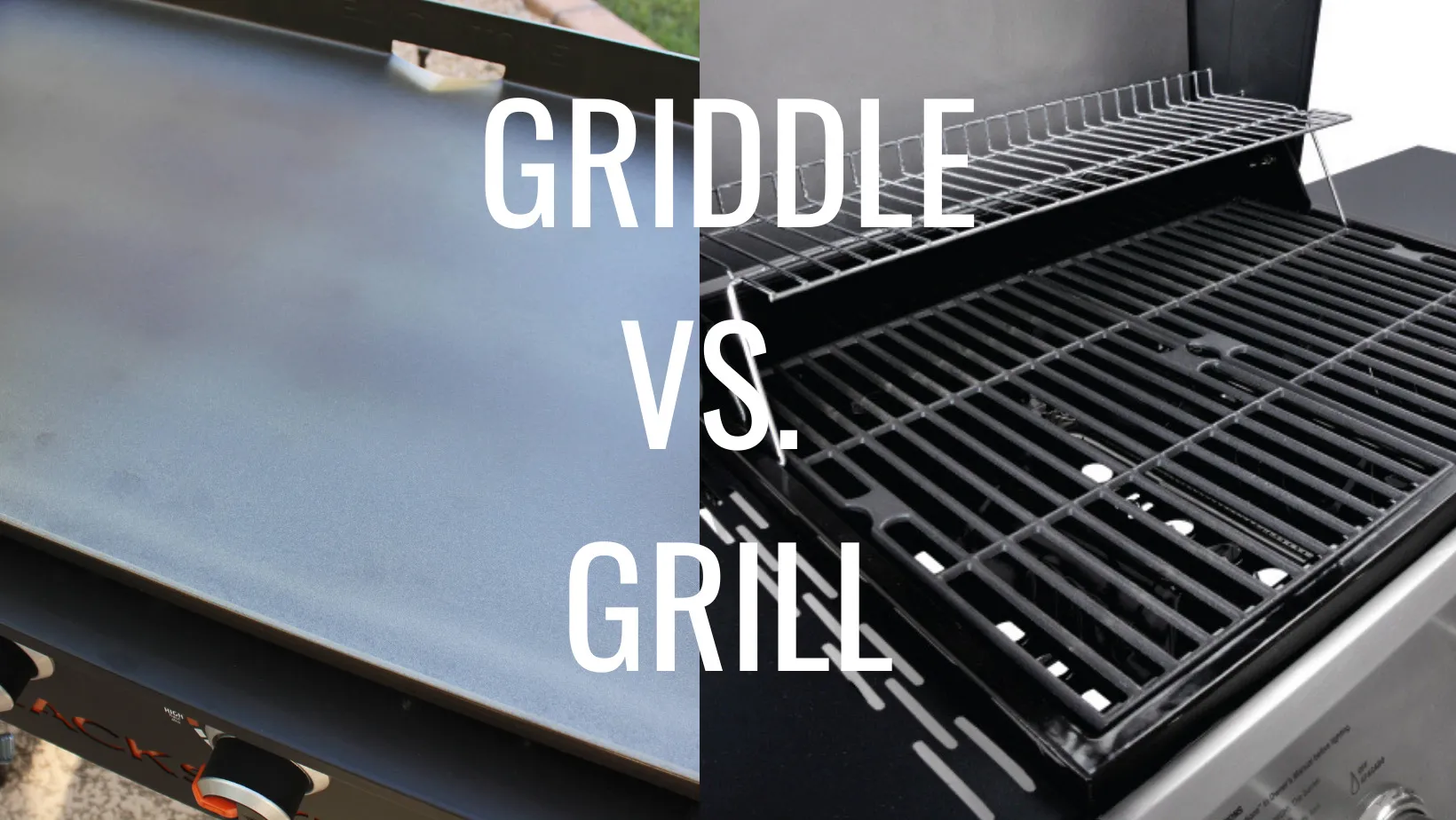
Griddle vs Grill: Which Should You Get?
Griddle vs grill: the real differences, which is healthier, whether a griddle is worth it if you already own a grill, and which wins for steaks and burgers.
Why Is Everyone Selling Their Blackstone? An Honest Answer
Why is everyone selling their Blackstone? Mostly, they aren't. Here's the honest story, plus the real cons, lifespan, the Walmart price, and if it's worth it.
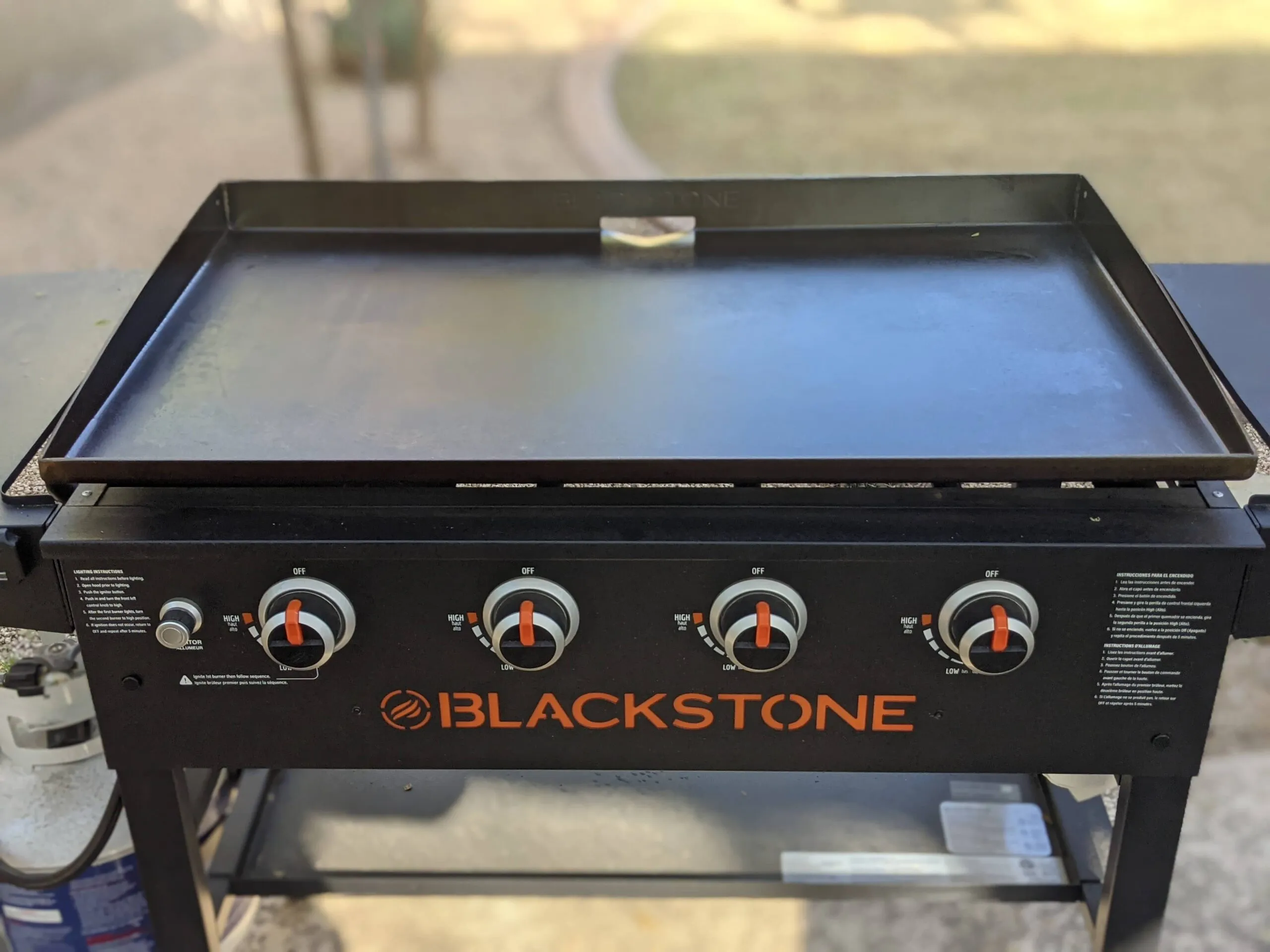
Your First Blackstone Cook: Complete New Owner Guide
New Blackstone griddle? The full day-one sequence: assembly, the soapy wash Blackstone actually requires, first seasoning, what to cook first, and what's normal in week one.