
Blackstone Griddle Safety: 10 Rules Every Cook Should Follow
A Blackstone griddle is a propane appliance with a large steel surface that runs at up to 500°F. Most safety incidents (burns, grease fires, food poisoning) come down to the same handful of preventable mistakes. These 10 rules cover all of them.
1. Check Your Propane Connection Before Every Cook
Before igniting, verify the hose connection is tight and the valve is closed. A loose connection or cracked hose is how propane leaks happen.
The quick check: with the valve closed, press the hose fitting firmly into the regulator and twist to lock. Then open the tank valve slowly. You shouldn’t hear hissing. If you do, close the valve, disconnect, and inspect the fitting and hose for cracks or damage.
If you smell propane after igniting and the smell doesn’t clear within a few seconds, turn off all burners, shut the tank valve, and move away. Don’t try to locate the leak with a lighter.
2. Maintain 3 Feet of Clearance on All Sides
Keep the griddle at least 3 feet away from anything that can burn: walls, fences, wooden decking, overhead structures, umbrellas, plants. Propane griddles also need overhead clearance, 10 feet minimum below any overhang or ceiling.
This is why gas griddles can’t be used in enclosed spaces. A covered patio with open sides is fine. A patio with walls on three sides is not. CO accumulates quickly and the heat risk goes up. See the full guide on using a Blackstone in enclosed spaces for the details on what’s safe and what isn’t.
Level ground matters too. A griddle on a sloped surface can tip while you’re cooking, and hot grease and a tipping griddle is a dangerous combination. Keep it on flat, stable ground.
3. Keep the Grease Trap Clean
A grease fire is the most common griddle safety incident. They’re almost entirely preventable with one habit: clean the grease trap before every cook session.
Grease accumulates in the drip tray below the cooktop. Once enough grease collects (and it collects faster than you’d expect) a flare-up from the burners can ignite it. A grease trap fire burns hot and can spread to the griddle, your surroundings, and anything nearby.
Before lighting: pull the drip tray out and dump it. Takes 30 seconds. See the full Blackstone cleaning guide for the complete maintenance routine.
4. Know How to Handle a Grease Fire
If a grease fire starts on the cooktop or in the drip tray:
Do not use water. Water on a grease fire causes a violent flash: the water instantly vaporizes and sprays burning oil in all directions.
What to do instead:
- Turn off all burners and the propane valve
- If the fire is small and contained: smother it with a metal lid, basting dome, or close the hood
- Keep a Class K or ABC fire extinguisher nearby. It’s the right type for cooking fires. A standard dry-chemical extinguisher also works
- If the fire is growing or you can’t control it, move everyone away and call 911
The best defense is not letting grease build up in the first place. See rule 3. For the mechanical side of grease management (overflowing cups, drainage running the wrong way, and the leveling fix behind most of it) see Blackstone grease problems.
5. Wear the Right Clothing and Footwear
No loose clothing. Long sleeves that dangle, loose jacket fronts, or scarves near the cooking surface are a burn risk. Keep sleeves rolled up or wear fitted clothing. An apron is genuinely useful. It protects from grease splatter and keeps loose fabric away from the cooktop.
Closed-toe, slip-resistant footwear. You’re handling hot food, sharp tools, and a surface that can reach 500°F, all while standing on ground that can get greasy. Flip-flops and bare feet are out. Rubber-soled shoes that won’t slip if you hit a grease spot on the ground.
Heat-resistant gloves are worth having for tasks like cleaning the hot surface, moving the griddle, or handling the griddle press or grates after cooking. Standard oven mitts are too bulky. Silicone-grip gloves specific to grilling work better. See our accessories guide for a good pick.
6. Use Tools With Enough Reach
The right tools keep your hands away from the cooking surface. Long-handled spatulas, tongs, and basting brushes are the minimum. When you’re working with a 500°F surface:
- Short-handled utensils bring your hands too close to the heat and grease
- The spatula you’d use on a stovetop pan is too short for a griddle
- Reaching across the full 36” surface requires either long tools or walking around the griddle. Do the latter
See our must-have Blackstone accessories guide for spatula and tool recommendations built around real flat-top cooking.
7. Cook Food to Safe Internal Temperatures
The griddle surface temperature and the internal food temperature are two different things. A surface running at 400°F doesn’t mean your chicken breast is at 165°F. It depends on thickness, cooking time, and technique.
Use a meat thermometer for anything that matters. The USDA minimum safe internal temperatures:
| Food | Safe Internal Temp |
|---|---|
| Chicken (all cuts) | 165°F |
| Ground beef (burgers) | 160°F |
| Whole cuts of beef/pork/lamb | 145°F (with 3-min rest) |
| Pork chops, roasts | 145°F (with 3-min rest) |
| Fish and shellfish | 145°F |
| Eggs | Cook until yolk and white are firm |
Ground meat (burgers, sausage) is the highest priority: bacteria from the surface of the whole cut gets mixed throughout when meat is ground. See our griddle temperature guide for surface temperatures that get you there.
8. Avoid Cross-Contamination
Keep raw and cooked food separated at every stage:
- Separate plates and tools: The plate raw chicken went on is not the plate cooked chicken goes on. Use separate cutting boards and utensils for raw and cooked proteins.
- Wash hands after handling raw meat before touching vegetables, condiments, or anything else.
- Don’t reuse marinades that raw meat has been in. If you want to sauce cooked food with the same flavor, set aside some marinade before the raw meat ever touches it.
- Timing matters on the griddle: Raw chicken and salad greens shouldn’t be in the same general area. Have a clear workflow for what gets touched when.
9. Manage Kids and Pets Around the Griddle
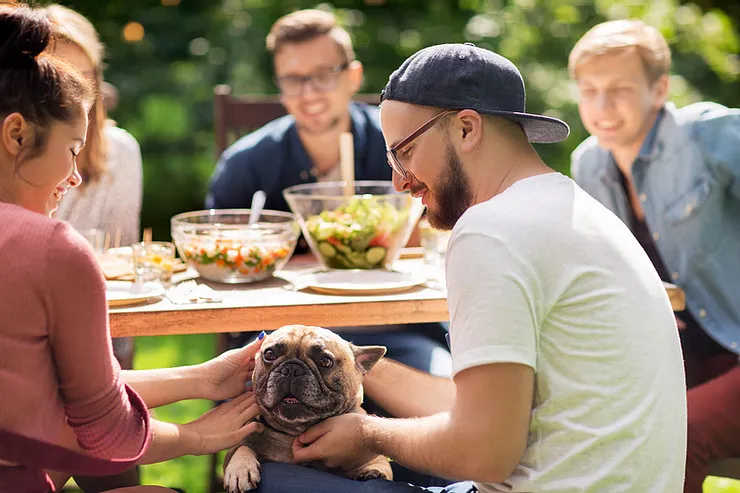
The griddle surface stays dangerously hot (300°F+) for 15-20 minutes after you turn off the burners. Kids and pets don’t understand that a cooled-looking surface can still burn severely.
During cooking:
- Establish a no-go zone of at least 3 feet around the griddle
- Explain to children what the griddle is and why it’s dangerous, not just that they can’t be near it
- Keep pets inside or tethered away from the cooking area; a dog underfoot is a trip hazard next to a hot surface
After cooking:
- Don’t leave the griddle unattended while the surface is still hot
- Don’t leave food accessible at griddle height. Pets can reach a side shelf
10. Store It Properly to Prevent Hazards
How you put the griddle away affects how safely it comes back into use.
Let it cool completely before covering or moving it indoors. A covered hot griddle traps heat and can damage the cover. A hot griddle moved into a shed is a fire risk.
Clean and re-season after every cook. See the full cleaning guide for the routine. A properly maintained surface also means no grease buildup that can cause problems next time. See the seasoning guide for the oil coat that protects the cooktop during storage.
Inspect the hose and regulator periodically. Rubber hoses crack with age and UV exposure. If your hose is more than a few years old or shows visible cracking, replace it before your next cook.
Store the propane tank outside. Never store a propane tank indoors, in a garage, or in an enclosed space, even a small leak in an enclosed area can create a dangerous buildup.
Ready to cook safely? Smash Burgers · Blackstone Steak · Chicken Fajitas · Fried Rice
Shop Heat-Resistant Gloves on Amazon Shop Instant-Read Meat Thermometer on Amazon
Frequently Asked Questions
Is a Blackstone griddle safe to use?
Yes, it’s a propane appliance with the same safety considerations as any other outdoor gas cooking equipment. The main risks are propane leaks, grease fires, burns from the hot surface, and food safety. All are preventable with the habits covered above.
Can a Blackstone griddle cause a fire?
Grease fires are the most common cause. They happen when grease accumulates in the drip tray and ignites. Empty the grease trap before every cook, don’t let grease build up on the surface, and keep a fire extinguisher nearby. If a grease fire starts, never use water. Use a lid or extinguisher.
How far does a Blackstone griddle need to be from the house?
Maintain at least 3 feet of clearance on all sides and 10 feet of clearance below any overhead structure. Gas appliances also need to be clear of any structure wall: the 3-foot rule applies to walls, fences, and combustible surfaces.
Can you use a Blackstone under a covered patio?
Yes, with adequate ventilation, meaning the patio has open sides with good airflow. What you’re avoiding is an enclosed space where carbon monoxide can accumulate. A covered patio with walls on all sides is not safe for gas cooking. See the guide on indoor griddle use for the full breakdown.
What do you do if a grease fire starts on the Blackstone?
Turn off all burners and the propane valve. If the fire is small and contained, smother it with a metal lid or close the hood. Never use water on a grease fire. It causes the burning oil to splatter and spread. Keep an ABC or Class K fire extinguisher near the cooking area.
Is it safe to leave a Blackstone griddle outside?
Yes, if covered and properly stored after each use. Clean and re-season the surface after cooking, let it cool completely, then cover it with a fitted cover. Store the propane tank outdoors, never in an enclosed space.
How long does the griddle stay hot after cooking?
The cooking surface stays above safe-to-touch temperatures for 15-20 minutes after the burners are off, and remains warm for longer than that. Treat it as still-dangerous until you can comfortably hold your hand a few inches above it without heat discomfort.
What Not to Cook on a Blackstone (and What to Do Instead)
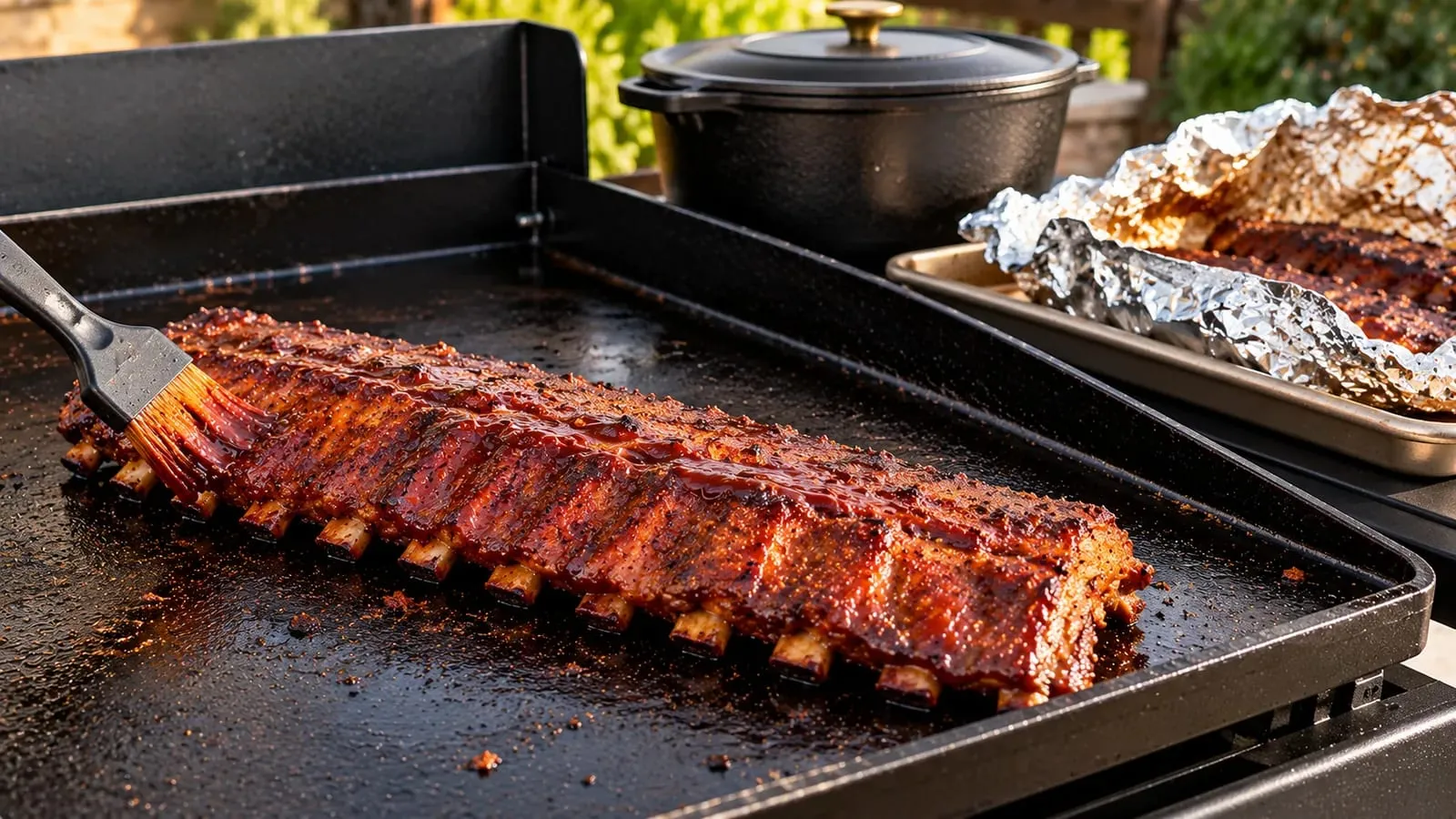
What doesn't work on a Blackstone griddle: low-and-slow cuts, big roasts, anything that sits in liquid, and deep-fried food, plus how to split the cook so the griddle still does the part it's good at.
Griddle vs Grill: Which Should You Get?
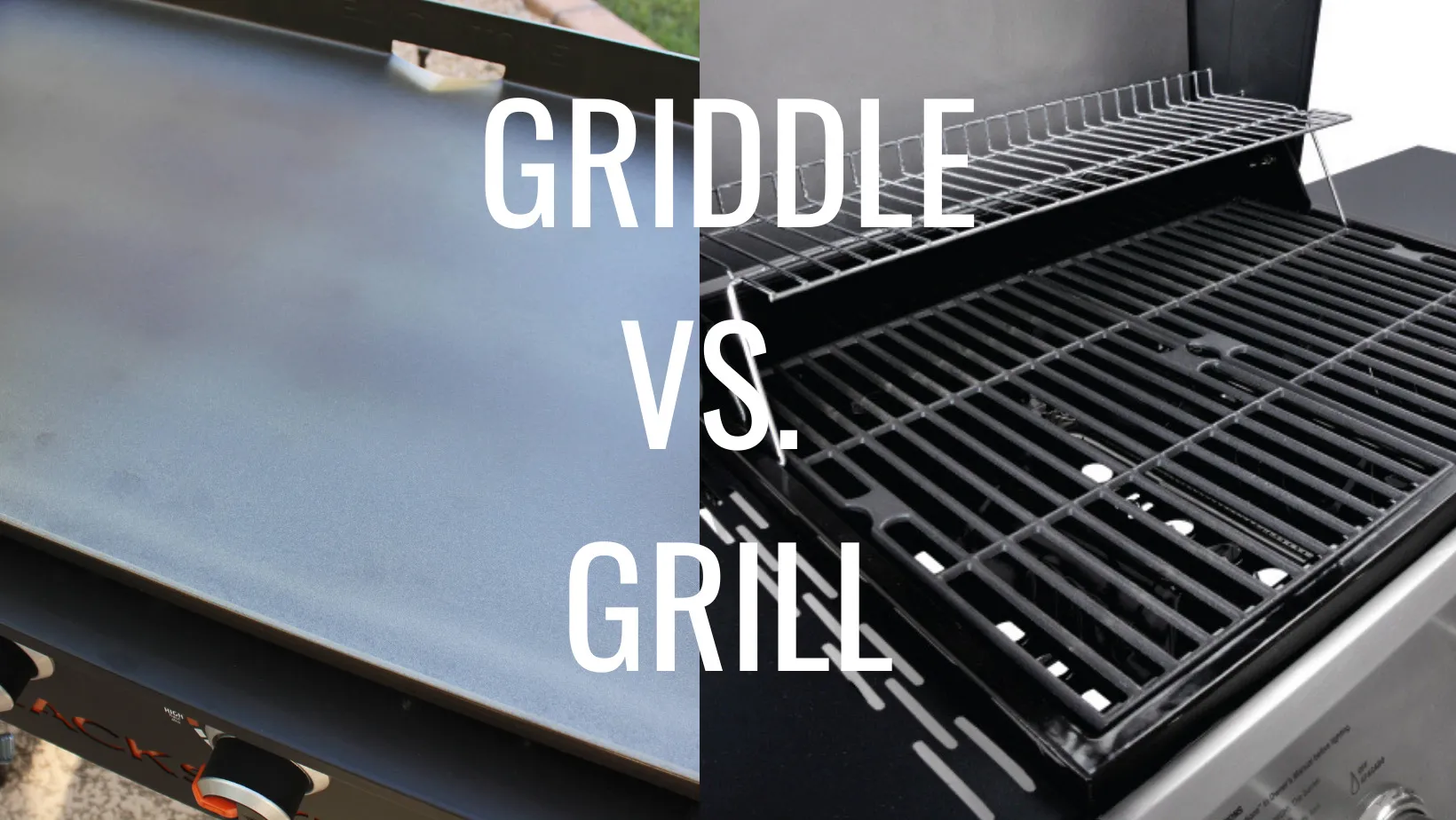
Griddle vs grill: the real differences, which is healthier, whether a griddle is worth it if you already own a grill, and which wins for steaks and burgers.
Why Is Everyone Selling Their Blackstone? An Honest Answer
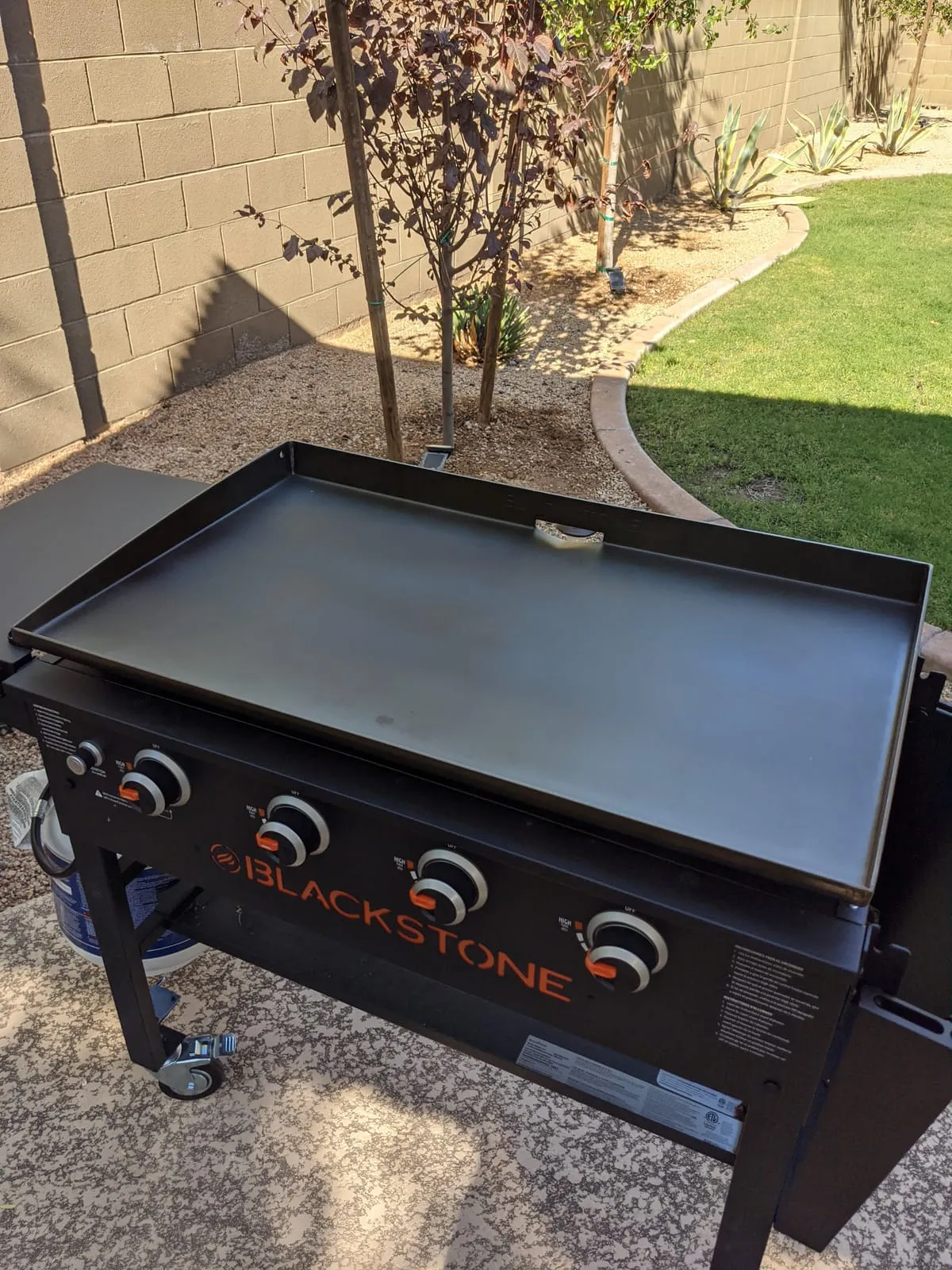
Why is everyone selling their Blackstone? Mostly, they aren't. Here's the honest story, plus the real cons, lifespan, the Walmart price, and if it's worth it.