
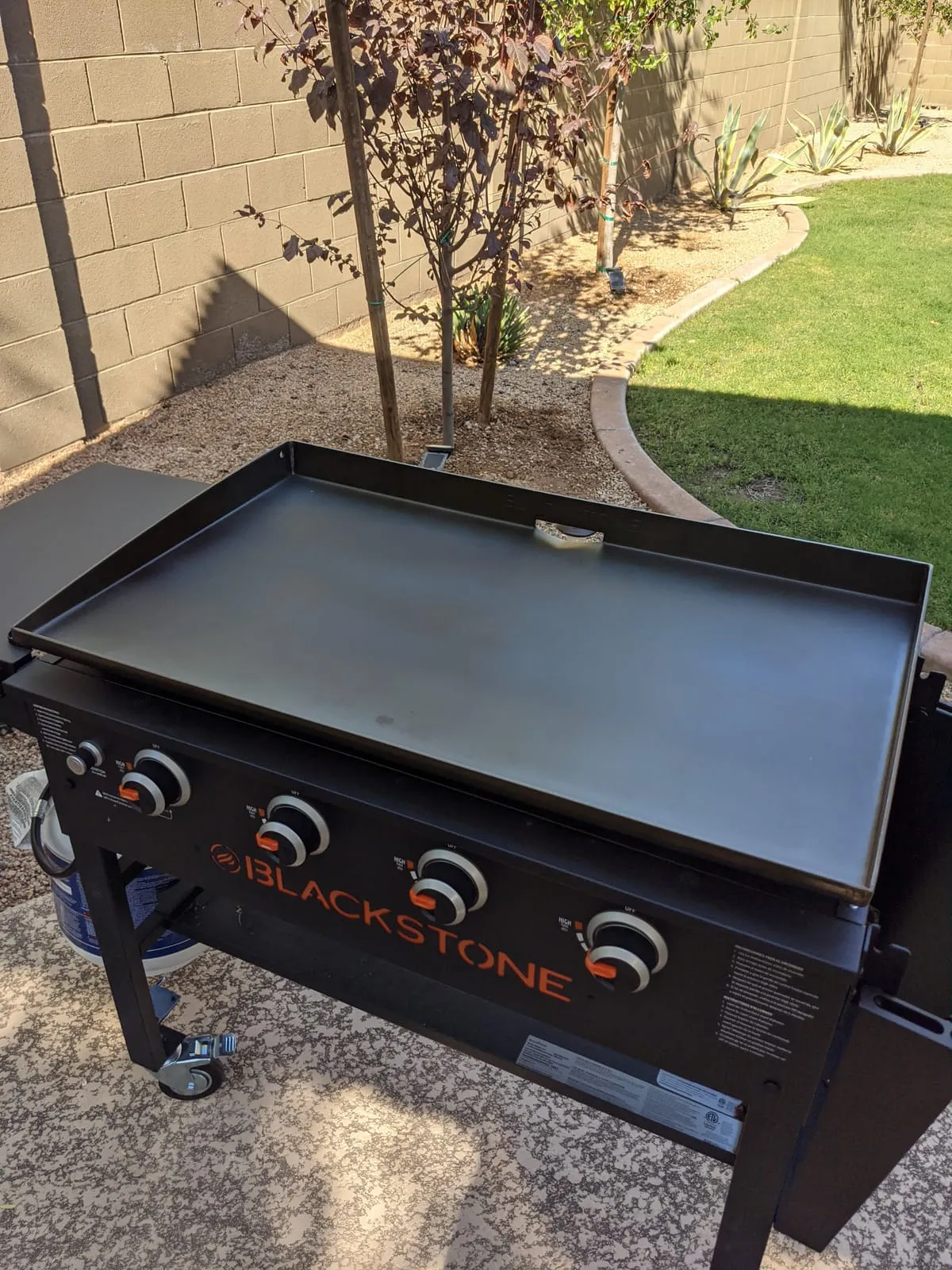
Why Is Everyone Selling Their Blackstone? An Honest Answer
If you’ve been researching a Blackstone, you’ve probably seen the question pop up: why is everyone selling theirs? The honest answer is that most owners aren’t. The premise is mostly a trick of the marketplace: Blackstone sells in enormous volume, so even a small, normal share of resales adds up to a lot of listings, and search engines turn that pile of listings into a scary-sounding question. Dig into owner forums and reviews and the sentiment actually runs the other way: low regret, and plenty of people whose only complaint is that they didn’t buy one sooner.
That said, some people genuinely do sell theirs, and the reasons are worth knowing before you buy, because nearly all of them are avoidable. Here’s what’s really going on, plus straight answers on lifespan, cons, the Walmart price, and whether it’s worth it.
The Real Reasons Some People Sell
When you actually read through resale listings and owner forums, the same handful of reasons come up, and notice how few of them are about the griddle being bad:
1. The maintenance caught them off guard. This is the big one. A Blackstone is bare cold-rolled steel: it has to be seasoned, wiped and re-oiled after cooks, and kept covered or it rusts. Nobody buying a gas grill expects that, so a share of buyers hit the learning curve (rust, sticky seasoning, food sticking) get frustrated, and quit before it clicks. The irony is that all of it is easy once the routine is habit (the troubleshooting hub and seasoning guide cover it), and even a rusted top cleans right back to new.
2. They bought on hype and rarely used it. Blackstone went viral. A lot of griddles were impulse buys that got used twice and then took up space, so they get flipped. That’s a buyer-behavior story, not a product one.
3. They’re upgrading, not quitting. A huge share of “for sale” listings are people selling a 28” to move up to a 36”, or trading up to a model with a hood or air fryer. Selling a Blackstone very often means buying another Blackstone.
4. Space. A 36” griddle on a cart is a big piece of gear. People who move, downsize, or run out of patio room sell the large one, often for a smaller tabletop model.
5. They missed smoke. Some owners realize they want the char and smoke flavor a flat-top can’t produce, and go back to a grill or add one alongside. If that’s a risk for you, read griddle vs grill before buying. They do genuinely different jobs.
6. A minority hit real frustrations: a tough assembly, a warped top, or slow customer service. These happen, and they’re the loudest voices online, but they’re the exception, not the rule.
But Most Owners Keep Theirs
It’s worth saying plainly, because the search question implies the opposite: the majority of Blackstone owners don’t sell. Across owner forums and reviews, the dominant sentiment is satisfaction: people cook on them several times a week, and the single most common “regret” is not buying one sooner. High resale volume is a byproduct of high sales volume, not a signal that the product disappoints.
Are Blackstone Griddles Worth the Money?
For most people who’ll actually use one, yes. A griddle earns its keep if you cook breakfast, want real smash burgers, or cook for a family: it does things a grill and a stovetop can’t, all on one surface. It’s not worth it if you only cook the occasional steak and specifically want smoke and grill marks; that’s a grill’s job.
The honest test is simple: how often will you use it? People who cook on theirs weekly rarely regret it. People who bought it for the idea of it are the ones who sell. If you’re deciding on a size or model, the Blackstone buyers guide breaks it down.
Why Are Blackstone Griddles So Cheap at Walmart?
Low price, not low quality: the two aren’t the same here. A few honest reasons the Walmart price looks so good:
- Walmart is Blackstone’s flagship retail partner and moves the griddles in massive volume. High volume supports lower pricing.
- Aggressive seasonal promotions. Expect deep discounts around spring grilling season, Black Friday, and the holidays. It’s normal to see popular models 20-30% off or more.
- Entry models are priced to pull you in. The tabletop and base 2-burner units are priced competitively to get people into the ecosystem; the hoods, accessories, and larger models are where the lineup fills out.
None of that changes what you’re buying: the cooking surface is the same cold-rolled steel whether it’s on sale or not. A cheap sale price is a retail-strategy story, not a corner-cutting one.
What’s the Lifespan of a Blackstone?
With basic care, a Blackstone lasts a long time, commonly 5 to 10 years, and often longer. The cooking surface is the durable part: thick cold-rolled steel that takes thousands of heat cycles, and because it’s solid steel, it’s endlessly renewable. You can strip and re-season it, and even a badly rusted top comes back to bare metal.
The parts that actually wear out are cheap and replaceable: the igniter battery (the number-one “it stopped working” complaint: it’s just a single battery; see igniter fixes), and eventually the burners on a heavily used unit. Keep it covered, keep it seasoned, and the griddle itself will outlast most gas grills.
What Are the Cons of a Blackstone?
An honest list, so you buy with your eyes open:
- No smoke flavor or grill marks: it’s a sear machine, not a smoker.
- Maintenance: seasoning and rust prevention are real, ongoing (if light) work.
- Rust risk if you leave it uncovered or put it away damp.
- Footprint: the bigger units take up real space.
- Wind and cold sensitivity: open burners lose heat to wind, and cold weather slows the preheat.
- Grease management: you’ll deal with a grease trap after cooks.
Every one of these is manageable, and most are covered in the troubleshooting hub. But if “zero maintenance” is non-negotiable for you, a flat-top isn’t the right tool.
So, Should You Buy One?
Buy a Blackstone if you’ll cook on it regularly (breakfast, smash burgers, weeknight dinners, variety) and you’re fine with a simple maintenance routine. Skip it if you specifically want smoke and char (get a grill instead), or you already know you won’t use it enough to bother seasoning it.
The people selling their Blackstones are mostly the ones who bought for the idea, not the cooking. If you’re the type who’ll actually fire it up, you’ll very likely land in the camp whose only regret is not getting one sooner.
Related guides: Blackstone Buyers Guide · Griddle vs Grill · How to Season a Blackstone · Troubleshooting Hub
Frequently Asked Questions
Why is everyone selling their Blackstone griddle?
Most owners aren’t. The premise is misleading. Blackstone sells in huge volume, so normal resale activity produces a lot of listings. The people who do sell usually hit the seasoning and rust maintenance learning curve, bought on hype and rarely used it, are upgrading to a bigger or hooded model, or wanted the smoke flavor a flat-top can’t provide. Owner satisfaction is generally high.
Is a Blackstone griddle worth the money?
For people who’ll use it regularly, yes: it cooks breakfast, smash burgers, stir-fries, and full-surface sears that a grill and stovetop can’t match, all on one surface. It’s not worth it if you rarely cook outdoors or specifically want smoke and grill marks. The deciding factor is how often you’ll actually use it.
Why are Blackstone griddles so cheap at Walmart?
Low price, not low quality. Walmart is Blackstone’s main retail partner and sells them in high volume, with deep seasonal promotions around spring, Black Friday, and the holidays. Entry models are priced to bring buyers into the ecosystem. The cooking surface is the same cold-rolled steel whether it’s discounted or not.
How long does a Blackstone griddle last?
Typically 5 to 10 years or more with basic care. The cold-rolled steel cooking surface withstands thousands of heat cycles and can be stripped, re-seasoned, and de-rusted indefinitely. The parts that wear out are the igniter battery and, eventually, the burners, both inexpensive and easy to replace.
What are the cons of a Blackstone griddle?
No smoke flavor or grill marks, ongoing seasoning and rust-prevention maintenance, rust risk if left uncovered, a large footprint on bigger models, sensitivity to wind and cold, and grease-trap cleanup. All are manageable, but a flat-top isn’t the tool if you want zero maintenance or smoky barbecue.
Do Blackstone griddles rust easily?
They can rust if stored uncovered or put away damp, because the cooking surface is bare steel. It’s easily prevented with a thin coat of oil after cooking and a cover, and even a rusted top cleans back to bare steel and re-seasons. Rust is reversible, not the end of the griddle.
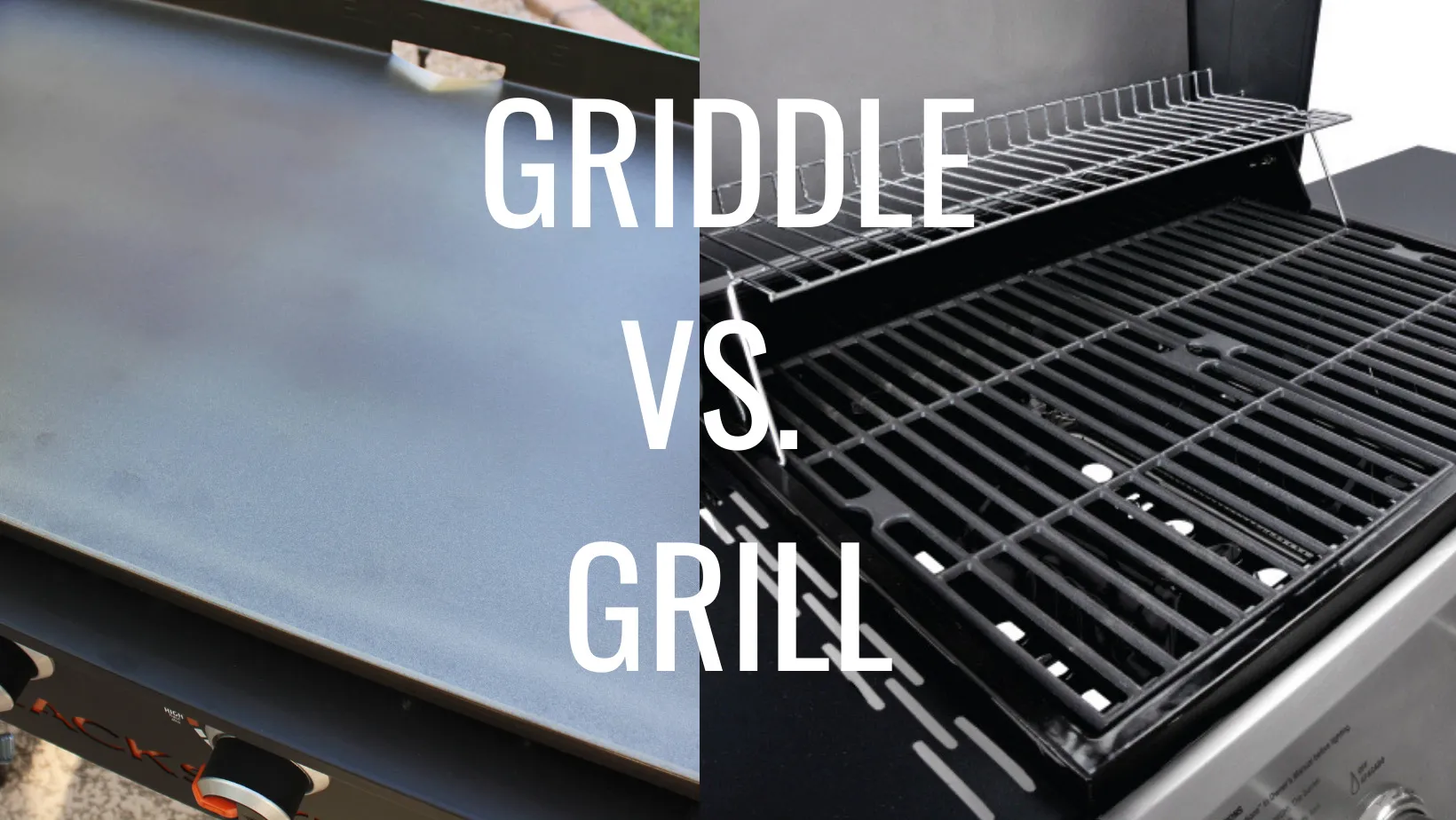
Griddle vs Grill: Which Should You Get?
Griddle vs grill: the real differences, which is healthier, whether a griddle is worth it if you already own a grill, and which wins for steaks and burgers.
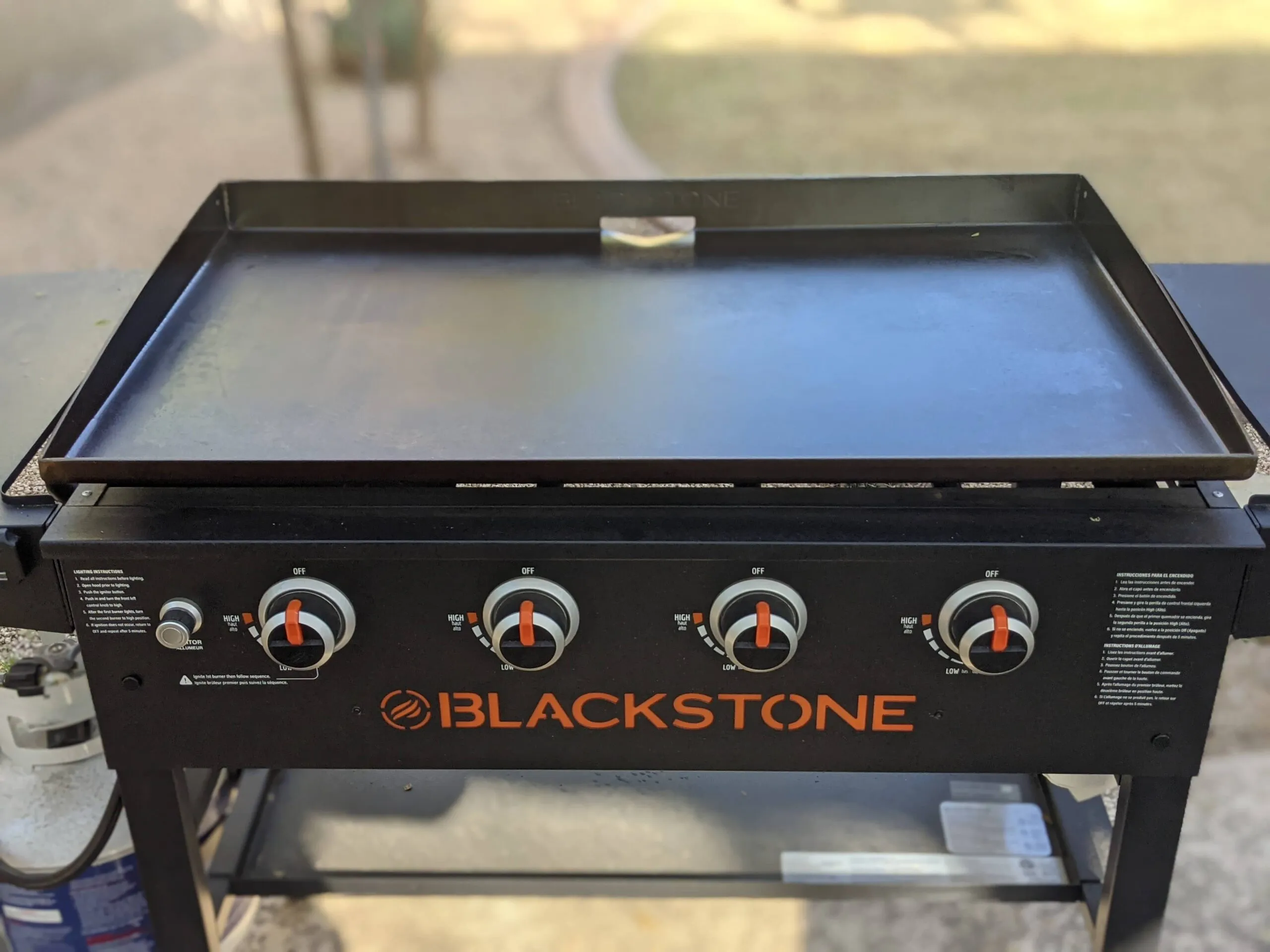
Your First Blackstone Cook: Complete New Owner Guide
New Blackstone griddle? The full day-one sequence: assembly, the soapy wash Blackstone actually requires, first seasoning, what to cook first, and what's normal in week one.
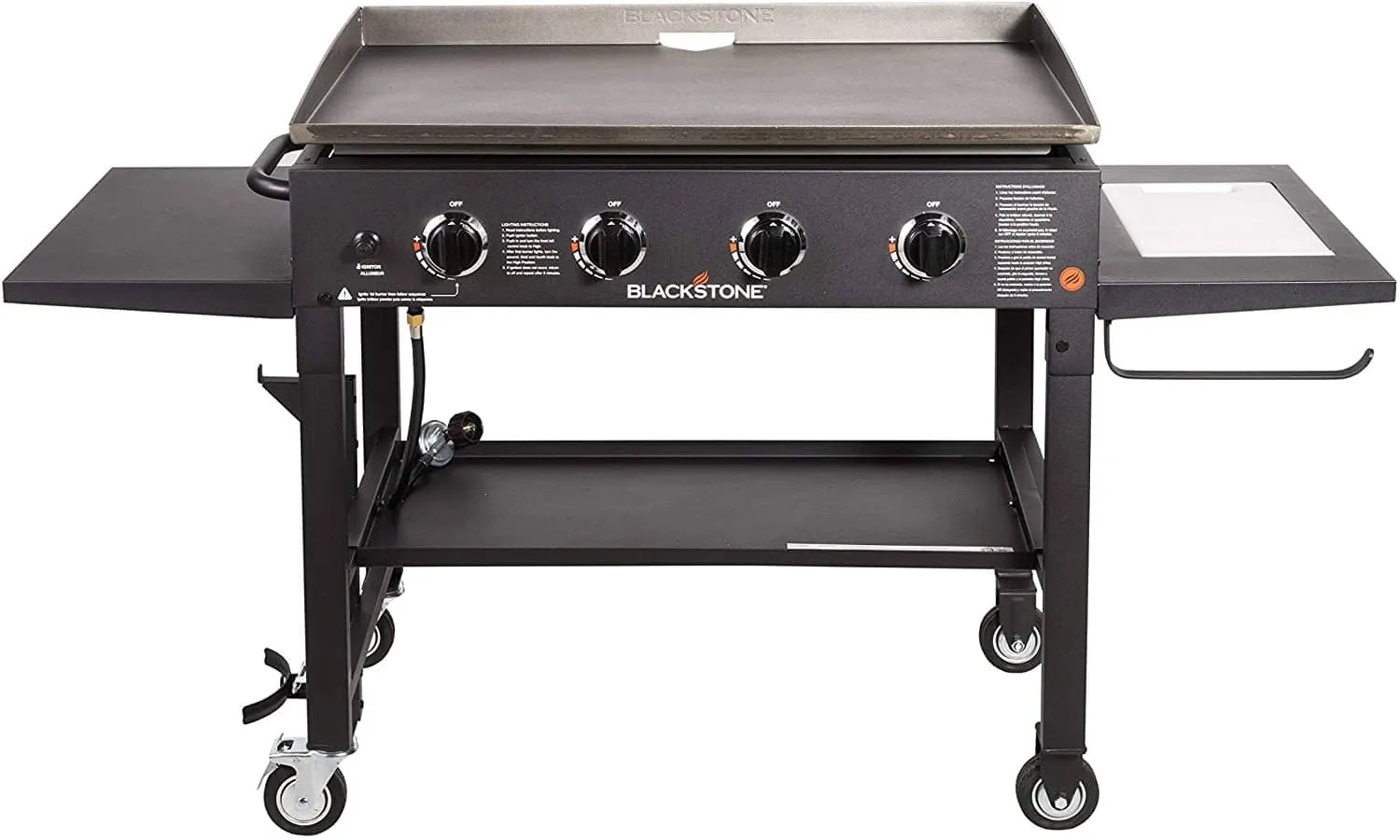
Blackstone Flame Problems: Yellow, Uneven, and Blowing Out
Yellow or orange flames, uneven burners, flames that blow out or pop: what each flame problem means on a Blackstone griddle and how to fix it safely.