
What Not to Cook on a Blackstone (and What to Do Instead)
A Blackstone struggles with four kinds of food: low-and-slow cuts that need hours of gentle heat (brisket, ribs, a whole pork shoulder), big roasts and whole birds, anything that has to sit in liquid (soups, braises, boiling pasta), and deep-fried food. All the heat comes from below into a thin sheet of steel, so it’s built for fast, direct cooking, and anything that needs hours of gentle, all-around heat is a poor fit.
For most of these you don’t have to give up on the griddle. You split the cook: the slow or wet part happens in an oven, smoker, or pot, and the griddle does the finish it’s actually good at. That’s how several recipes on this site work, and the table below points to them.
The Short List
| Food | Why it struggles on a flat top | What to do instead |
|---|---|---|
| Brisket, whole pork shoulder | Needs hours of low, indirect heat (and usually smoke) to break down | Smoker or oven. Sliced thin, pork shoulder is a griddle food: see tacos al pastor |
| Ribs | Connective tissue needs a couple of hours at low, steady heat | Oven first, griddle to glaze: baby back ribs |
| Whole chicken, turkey, big roasts | Too thick: the outside burns before the center cooks | Oven or grill, or cook pieces on the griddle: chicken thighs, pork tenderloin |
| Soups, stews, braises | A flat griddle can’t hold liquid | A pot for the braise, the griddle for the finish: birria tacos |
| Boiled pasta | Same problem: no way to hold boiling water on the steel | Boil it on the stove, finish it on the griddle: tortellini |
| Gravies and simmered sauces | Liquid runs straight to the grease trap | A cast iron skillet sitting on the griddle: biscuits and gravy |
| Deep-fried food | You can’t get oil deep enough on a flat top | A fryer or Dutch oven. The griddle can shallow-fry a breaded cutlet and make fries without deep frying |
| Anything where smoke is the point | Fat drips into the fire on a grill and makes smoke; on a griddle it doesn’t | A grill or smoker. The griddle vs grill guide covers the trade-off |
Low-and-Slow Barbecue
Brisket, ribs, and a whole pork shoulder are tough cuts full of connective tissue. They get tender by sitting at low, steady heat for hours, usually with smoke around them. A griddle does the opposite: direct contact with hot steel, fast. Cook a brisket on a flat top and the outside is done long before the inside has had time to break down.
The fix is to let something else do the slow part. My baby back ribs braise in foil in a 275°F oven for 2.5-3 hours, then go on the griddle to build a charred, sauce-glazed crust, which is the part the flat top does better than the oven. Pork shoulder is the other example: as a whole roast it’s smoker food, but sliced a quarter inch thin it’s al pastor, seared hot and fast with charred edges.
Whole Birds and Big Roasts
A whole chicken, a turkey, a pork loin roast, or a prime rib is just too thick for heat that only comes from one side. By the time the center is safe to eat, the bottom has scorched. A dome helps some with thicker food, but a whole bird is beyond what it can do.
Cook the roast in the oven or on a grill. If you want it on the griddle, change the cut: boneless chicken thighs instead of a whole bird, pork tenderloin instead of a loin roast, or a thick steak seared hot and finished on a cooler zone instead of a prime rib.
Anything That Sits in Liquid
A griddle is a flat sheet of steel with a grease drain. Liquid runs off it. That rules out soups, stews, braises, chili, and boiling pasta on the steel itself.
What does work is putting a pot or a cast iron skillet on the griddle, or doing the wet part on the stove. A few recipes here are built exactly that way:
- Birria tacos: the beef braises in a pot, then the tacos get dipped in the consomé and crisped on the griddle.
- Tortellini: the pasta boils on the stove, then gets browned, sauced, and finished on the flat top.
- Biscuits and gravy: the gravy simmers in a cast iron skillet sitting on one side of the griddle while the biscuits cook next to it.
One related caution: long-simmered acidic sauces (tomato, citrus, vinegar) can eat into your seasoning if they sit on the bare steel. Blackstone’s advice is to clean up with plenty of water afterward and wipe on a little oil. For anything acidic that needs to reduce, use the skillet.
Deep-Fried Food
Deep frying needs oil deep enough to surround the food, and a flat top can’t hold more than a thin film. Classic fried chicken, Nashville hot chicken, doughnuts, and anything battered and dunked belong in a fryer or a Dutch oven.
The griddle can still shallow-fry. A breaded chicken cutlet gets a golden crust in a thin layer of oil, and griddle fries come out crispy without a fryer, closer to high-heat roasted fries than deep-fried ones.
Big Loads of Frozen Food
Not a food so much as a way of cooking it. Dumping a large load of frozen meat on a fully preheated griddle cooks it unevenly, and Blackstone specifically warns that putting large amounts of very cold or frozen food on a hot top is the kind of temperature shock that can warp the steel. Thaw meat first. Frozen fries are fine in a thin layer, and frozen shredded hash browns do better thawed (the hash browns recipe explains why).
Things That Work Better Than You’d Expect
The list above is shorter than people assume. A few things that sound like a bad idea on a flat top turn out well:
- Pizza: a basting dome melts the top while the steel crisps the bottom.
- Cookies: chilled dough under a dome at 350°F comes out flat and chewy with crisp edges.
- Chicken wings: seared on the flat top, finished under a dome, then sauced.
- Ribs: not griddle-only, but the griddle does the best part.
Things Not to Do on a Blackstone
A few habits cause more trouble than any food does:
- Don’t use a gas Blackstone indoors or in a closed garage. Propane produces carbon monoxide. A garage is only OK with the door fully open the whole time, and the only Blackstones made for indoor use are the electric E-Series. More in can you use a Blackstone indoors.
- Don’t flood hot steel with cold water. Clean with small squirts on a warm surface. A big pour of cold water on very hot steel can warp it.
- Don’t crank the propane valve open. Opening it fast trips the regulator’s safety and leaves you with weak flames. Open it slowly.
- Don’t let the grease cup overflow. Check it before every cook and empty it when it’s more than half full.
- Don’t use soap for routine cleanup. A scraper, water, and a thin coat of oil afterward keep the seasoning intact.
The 50 Blackstone griddle tips page covers these and the habits that make everyday cooks go better.
Related: Blackstone Griddle Tips · Griddle vs Grill · Griddle Temperature Guide · Blackstone Recipes for Beginners
Frequently Asked Questions
What can you not cook on a Blackstone griddle?
Low-and-slow cuts like brisket, ribs, and whole pork shoulder; big roasts and whole birds; anything that has to sit in liquid, like soups, braises, and boiling pasta; and deep-fried food. Most of these can still involve the griddle if you split the cook: do the slow or wet part in an oven, smoker, or pot, and finish on the flat top.
Can you cook ribs on a Blackstone?
Not as a griddle-only cook. Ribs need a couple of hours at low, steady heat for the connective tissue to break down. Braise them in foil in the oven first, then finish them on the griddle to build a charred, sauce-glazed crust.
Can you cook a whole chicken on a Blackstone?
Not well. A whole bird is too thick for heat that only comes from below, so the outside scorches before the center is done. Roast it in the oven or on a grill, or cook chicken pieces like boneless thighs on the griddle instead.
Can you boil water or pasta on a Blackstone?
Not on the steel itself, since a flat griddle can’t hold liquid. Put a pot on the griddle the way you would a skillet, or boil the pasta on the stove and finish it on the flat top.
Can you deep fry on a Blackstone griddle?
No. A flat top can only hold a thin film of oil, which isn’t enough to deep fry. It can shallow-fry breaded cutlets and make crispy fries without a fryer, but classic fried chicken and anything battered and dunked needs a fryer or Dutch oven.
Is it bad to cook acidic food on a Blackstone?
Not bad, but don’t let it sit. Citrus, tomato, and vinegar can eat into the seasoning if they stay on the steel. Clean up with plenty of water afterward and wipe on a little oil. For acidic sauces that need to simmer and reduce, use a skillet on the griddle.
Can you use a Blackstone griddle indoors?
Not a gas model. Propane and natural gas griddles produce carbon monoxide and need open air. A garage is only OK with the door fully open the entire time. The electric E-Series is the Blackstone made for indoor use.
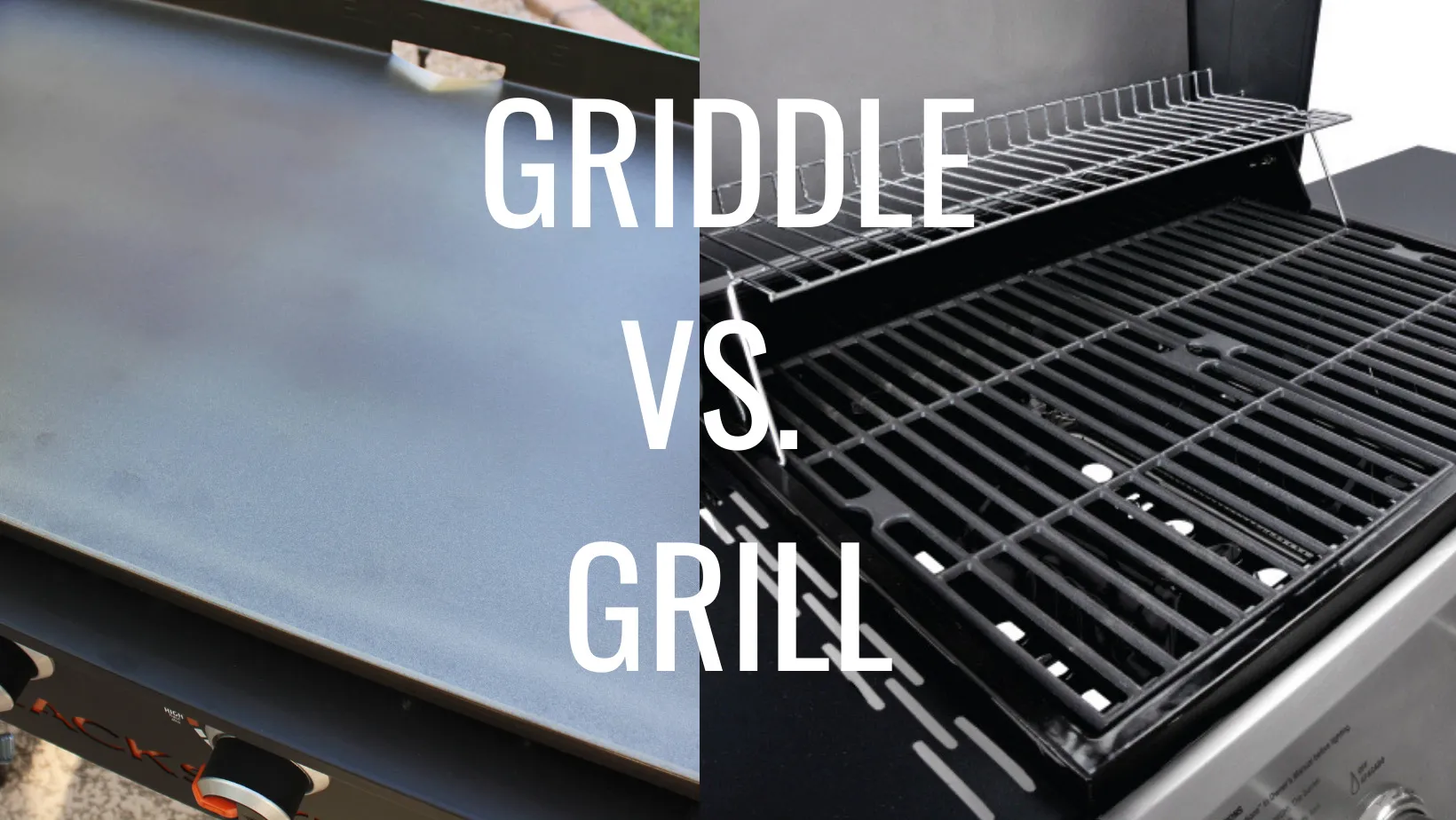
Griddle vs Grill: Which Should You Get?
Griddle vs grill: the real differences, which is healthier, whether a griddle is worth it if you already own a grill, and which wins for steaks and burgers.
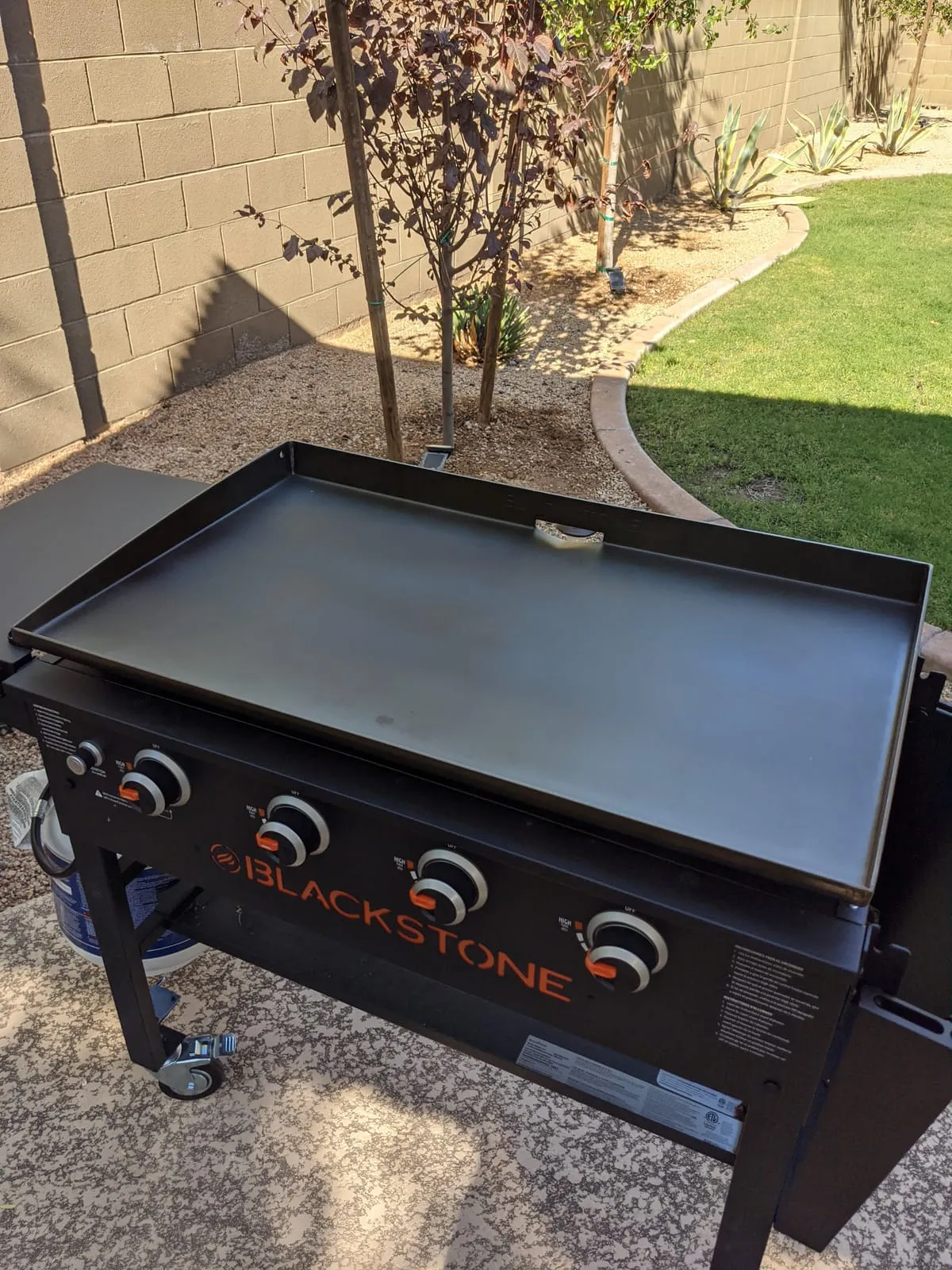
Why Is Everyone Selling Their Blackstone? An Honest Answer
Why is everyone selling their Blackstone? Mostly, they aren't. Here's the honest story, plus the real cons, lifespan, the Walmart price, and if it's worth it.
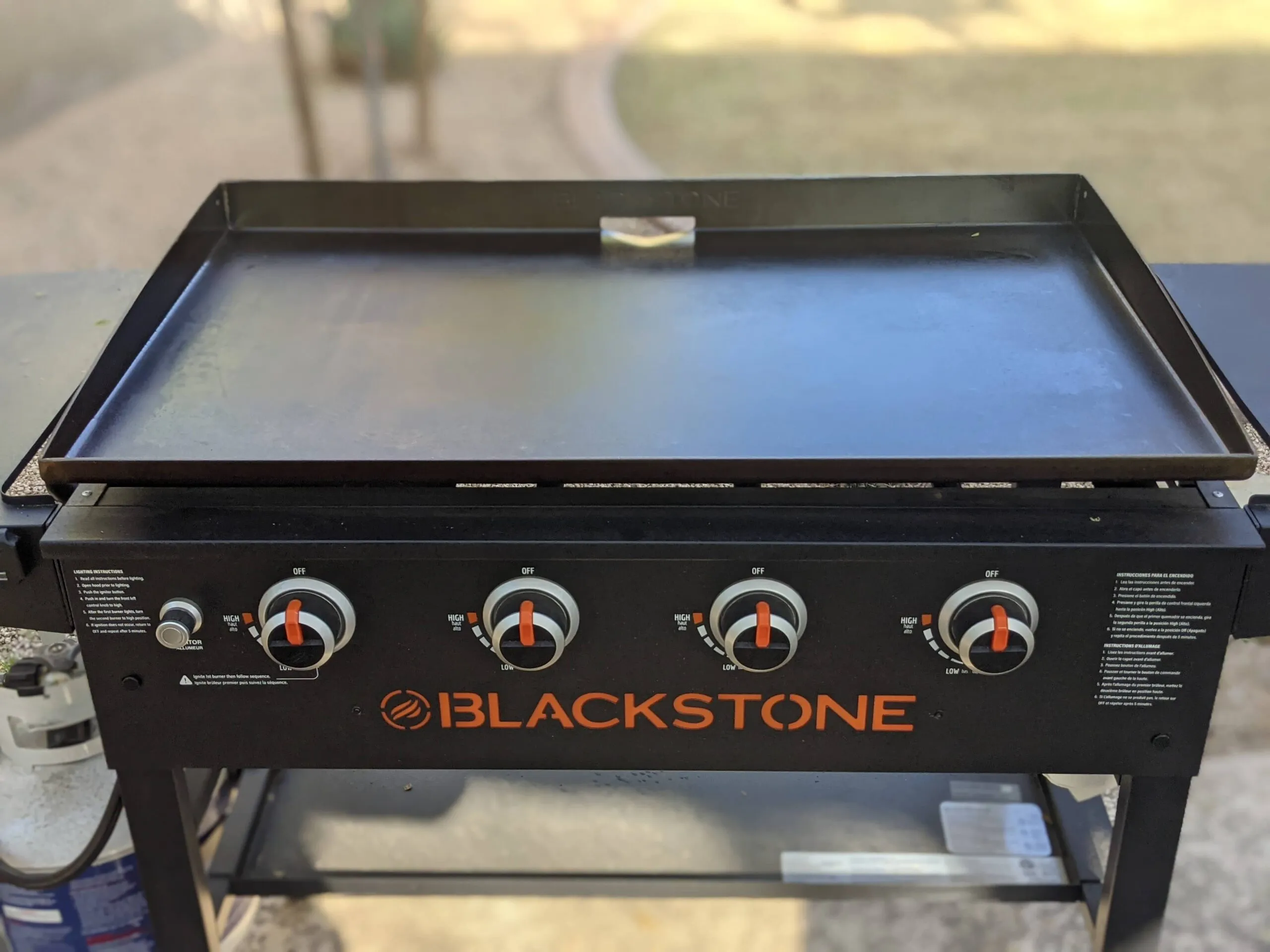
Your First Blackstone Cook: Complete New Owner Guide
New Blackstone griddle? The full day-one sequence: assembly, the soapy wash Blackstone actually requires, first seasoning, what to cook first, and what's normal in week one.