
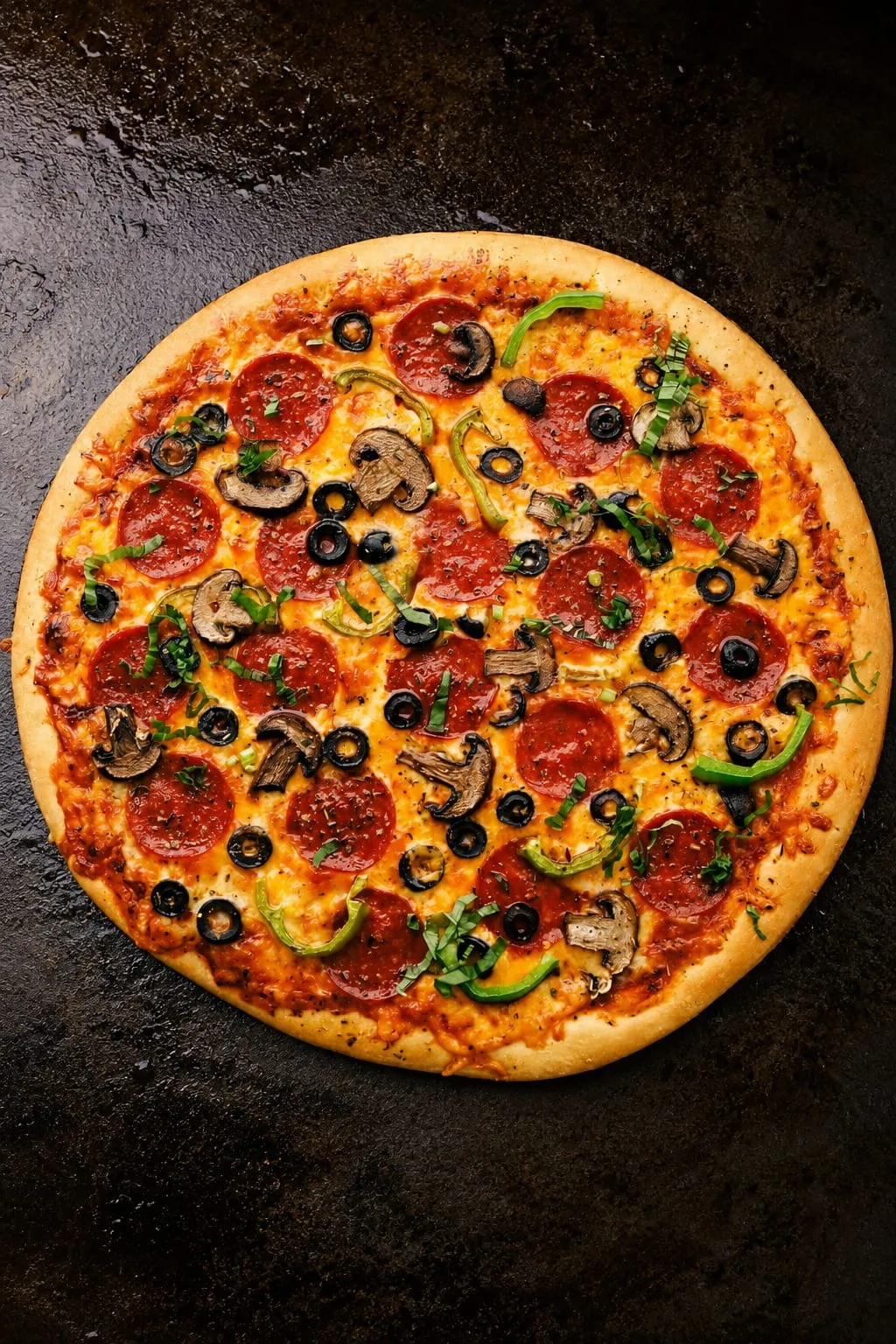
Blackstone Pizza: Fresh Dough and Frozen Both Work
A Blackstone makes excellent pizza, better than most home ovens, and much faster. The flat steel surface gets the bottom crust crispy in a way that home oven racks rarely achieve, and with a dome or lid you can trap enough heat to melt cheese and cook toppings at the same time. The challenge is balancing the bottom (which wants high heat) with the top (which needs time to cook without burning the crust). Get that balance right and you have pizza that competes with a wood-fired oven.
Whether you’re going from scratch with homemade dough, picking up a store-bought ball from the grocery store, or cooking a frozen pizza, the Blackstone can handle all three, each with slightly different technique.
The Two Main Approaches
Fresh or Store-Bought Dough (Best Results)
Fresh dough produces the best result: a chewy, slightly charred crust with good structure. You can make your own or buy pre-made pizza dough at most grocery stores (look in the refrigerated section near the bread). Both work.
Frozen Pizza (Fastest)
Frozen pizza on a Blackstone is faster and better than the oven version. The griddle gets the bottom crispier than an oven rack, and indirect heat from a dome or lid cooks the top and melts the cheese in the same amount of time. It’s a legitimate technique, not a compromise.
Method 1: Fresh Dough Pizza
Ingredients
- 1 lb ball pizza dough (store-bought or homemade, enough for a 10-12 inch pizza)
- 2-3 tbsp olive oil
- ½ cup pizza sauce
- 1.5 cups shredded mozzarella
- Toppings of your choice (pepperoni, Italian sausage, roasted vegetables)
- Fresh basil, red pepper flakes for finishing
Instructions
Step 1: Preheat to medium-low. Unlike steak, pizza needs medium-low heat, around 300-325°F. High heat scorches the bottom before the cheese melts and the dough cooks through. Set all burners to medium-low and preheat 8-10 minutes.
Step 2: Stretch the dough. On a floured surface, stretch or roll the dough to 10-12 inches. Thinner is crispier; thicker takes longer to cook through. If the dough keeps snapping back, let it rest 5 minutes and try again. The gluten is too tight.
Step 3: Oil the griddle. Add a generous drizzle of olive oil to the cooking zone. Spread it around with a brush or folded paper towel.
Step 4: Cook the first side. Lay the stretched dough on the oiled surface. Cook 3-4 minutes until the bottom is golden and the dough has set enough to flip cleanly. The top will look slightly dry around the edges. That’s the signal to flip.
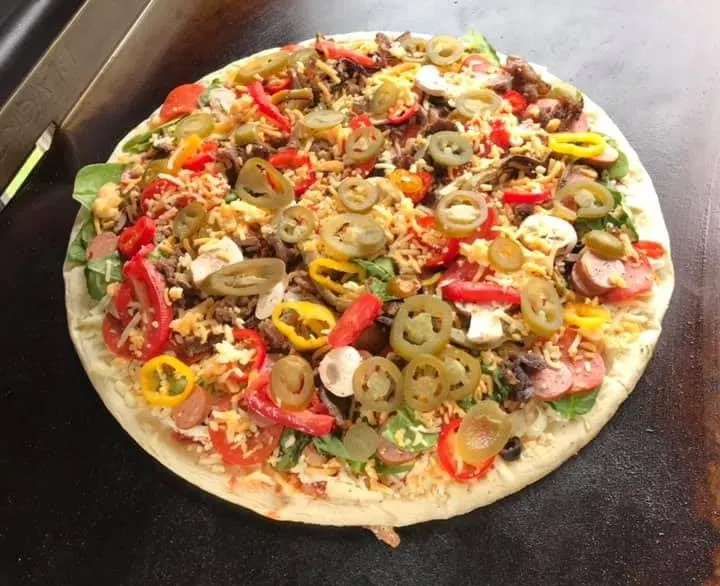
Step 5: Add toppings immediately after flipping. Flip the dough so the cooked side faces up. Working quickly, add sauce, cheese, and toppings. The cooked side is now the pizza bottom.
Step 6: Cover and cook. Cover with a basting dome, large metal bowl, or Blackstone lid. The trapped heat cooks the toppings and melts the cheese while the bottom crisps. 4-6 minutes depending on topping load. The pizza is done when the cheese is fully melted and starting to brown in spots.
Step 7: Rest and slice. Slide off the griddle onto a cutting board. Let it rest 2 minutes before slicing; the cheese sets slightly and slices cleaner.
Method 2: Frozen Pizza
Step 1: Preheat to medium-low (same temperature as fresh dough, 300-325°F).
Step 2: Place frozen pizza directly on the oiled griddle. No thawing. Straight from the freezer to the surface.
Step 3: Cover immediately with a dome or lid.
Step 4: Cook 10-15 minutes, checking at 10. The bottom should be golden-brown and crisp. The top should be fully melted. If the top needs more time and the bottom is already done, drop the burners to low and keep it covered another 2-3 minutes.
Pro tip: The griddle version of a frozen pizza comes out crispier than the oven version because the flat steel surface transfers heat more efficiently than a rack. If you prefer a softer crust, reduce the heat slightly.
Tools That Help
Basting dome: Essential for griddle pizza. Without a way to trap heat above the pizza, the top won’t cook evenly and the cheese won’t melt properly before the bottom burns. A stainless dome or the Blackstone lid both work.
Pizza stone (optional): If you have a pizza stone, you can preheat it on the Blackstone at medium-low heat and cook the pizza on the stone. This moderates the direct heat slightly and gives a more oven-like result. Not required.
Wide, thin spatula: For checking the bottom without disturbing the toppings, and for sliding the finished pizza off cleanly.
Infrared thermometer: For confirming the surface is in the right range before you start. Pizza on a too-hot griddle burns the bottom in 2 minutes.
Tips
Lower heat than you think. The most common mistake is running the griddle too hot. 300-325°F is the right range for pizza. The bottom is in direct contact with the steel the entire time. It doesn’t need 450°F. Save the high heat for steak.
Don’t overload the toppings. Heavier toppings take longer to cook through. If you’re running a lot of toppings, consider pre-cooking wet ones (sausage, mushrooms) before adding them to the pizza. Raw sausage won’t cook through in the time it takes to melt cheese.
Sauce goes thin. A thick layer of sauce makes the center wet and prevents the cheese from setting. A light smear of sauce is all you need.
Mozzarella, not bagged shredded. Pre-shredded mozzarella is coated in starch to prevent clumping. It doesn’t melt as well as fresh low-moisture mozzarella torn by hand or shredded from a block.
More flat-top recipes: Blackstone Lunch Ideas · Blackstone Pizza Oven Review
Frequently Asked Questions
Can you cook pizza on a Blackstone griddle?
Yes. The Blackstone’s flat steel surface gets the bottom crust crispy in a way home ovens struggle to match. Pair it with a dome or lid to trap heat and melt toppings, and the result competes with pizza made in a real pizza oven.
What temperature should a Blackstone be for pizza?
300-325°F: medium-low heat. This sounds low, but the steel transfers heat so efficiently that the bottom cooks through at the same rate as a 500°F oven. Too high and the bottom burns before the cheese melts.
Do you need a pizza stone for a Blackstone?
No. The griddle surface itself is effective without one. A pizza stone moderates the heat slightly and can help if your bottom is burning before the top is done, but it’s optional rather than required.
Can you cook frozen pizza on a Blackstone?
Yes, and the result is better than the oven version. Cook from frozen at medium-low heat with a dome or lid. The griddle gets the bottom crispier than an oven rack, and the dome traps enough heat to melt the cheese in the same amount of time.
How do you keep pizza dough from sticking to the Blackstone?
Two things: enough oil on the surface before the dough goes down, and waiting for the dough to naturally release before trying to move or flip it. Fresh dough that’s been properly stretched should release cleanly from an oiled surface once the bottom is set, about 3-4 minutes. Don’t rush the flip.
What temperature do you cook pizza on a Blackstone griddle?
300-325°F, which is medium-low on most Blackstones. Cook the stretched dough on the oiled griddle for 3-4 minutes until the bottom sets, flip it, and add sauce, cheese, and toppings to the cooked side. Then cover with a dome for 4-6 minutes so the cheese melts while the bottom keeps crisping. Any hotter and the crust burns before the top is done.
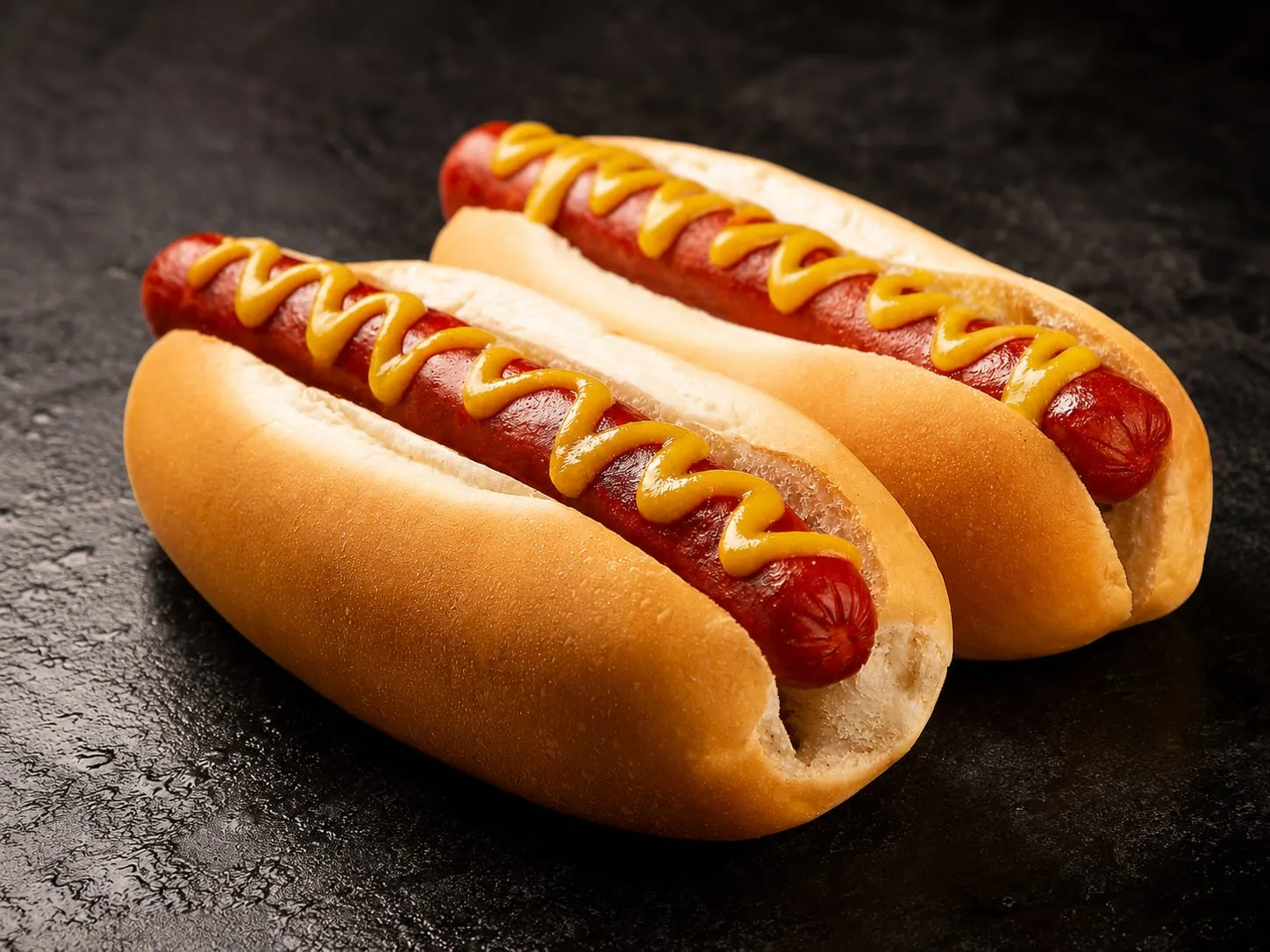
Hot Dogs on Blackstone: Charred Franks and All the Toppings
How to cook hot dogs on a Blackstone griddle: charred franks with a snap, toasted buns, and four topping combos: Chicago-style, chili dog, bacon-wrapped, and more.
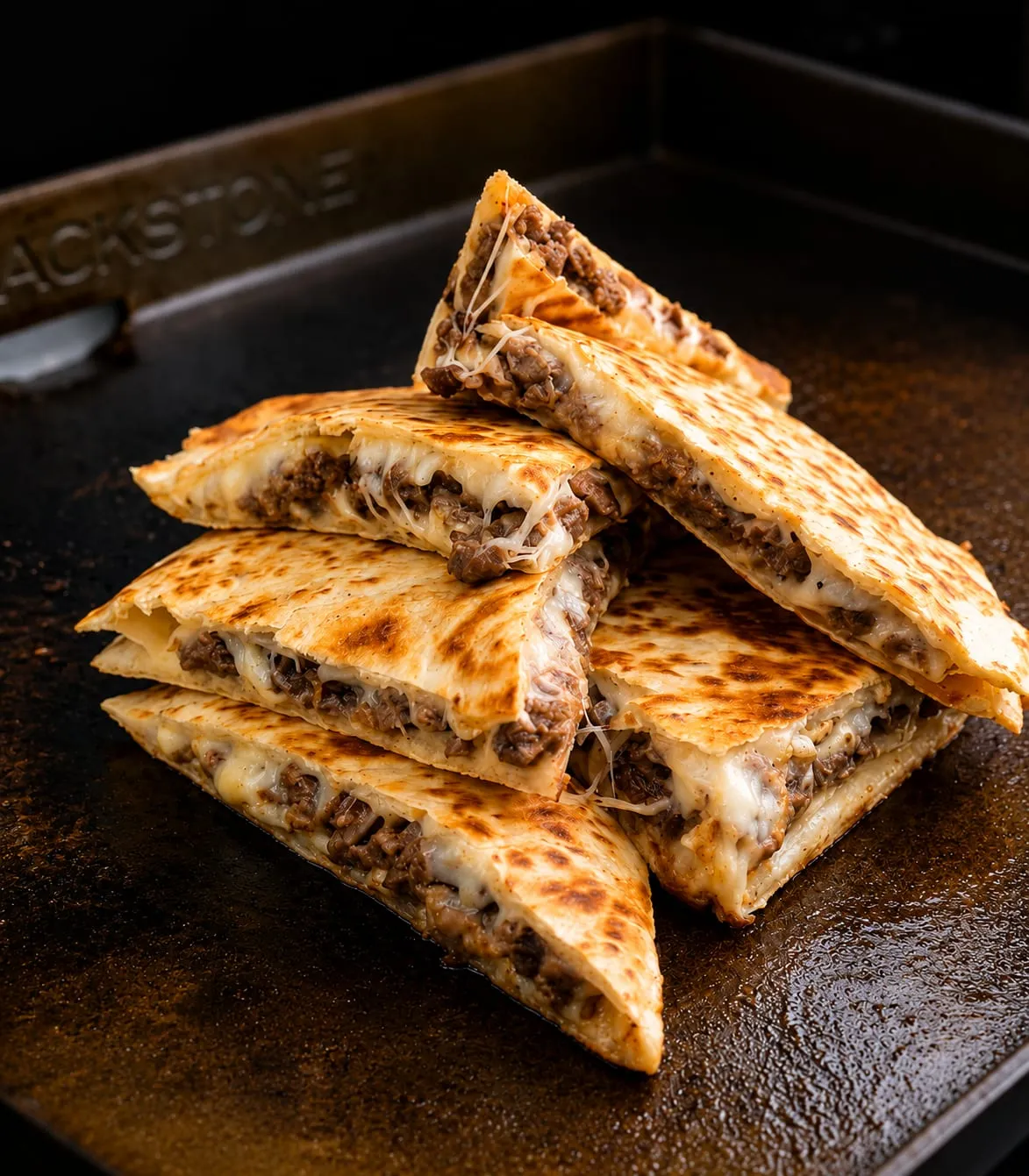
Blackstone Quesadillas Recipe: Crispy Every Time
Blackstone quesadillas with perfectly crispy tortillas and melted cheese, a simple flat-top method that beats the stovetop every time. Ready in 15 minutes.
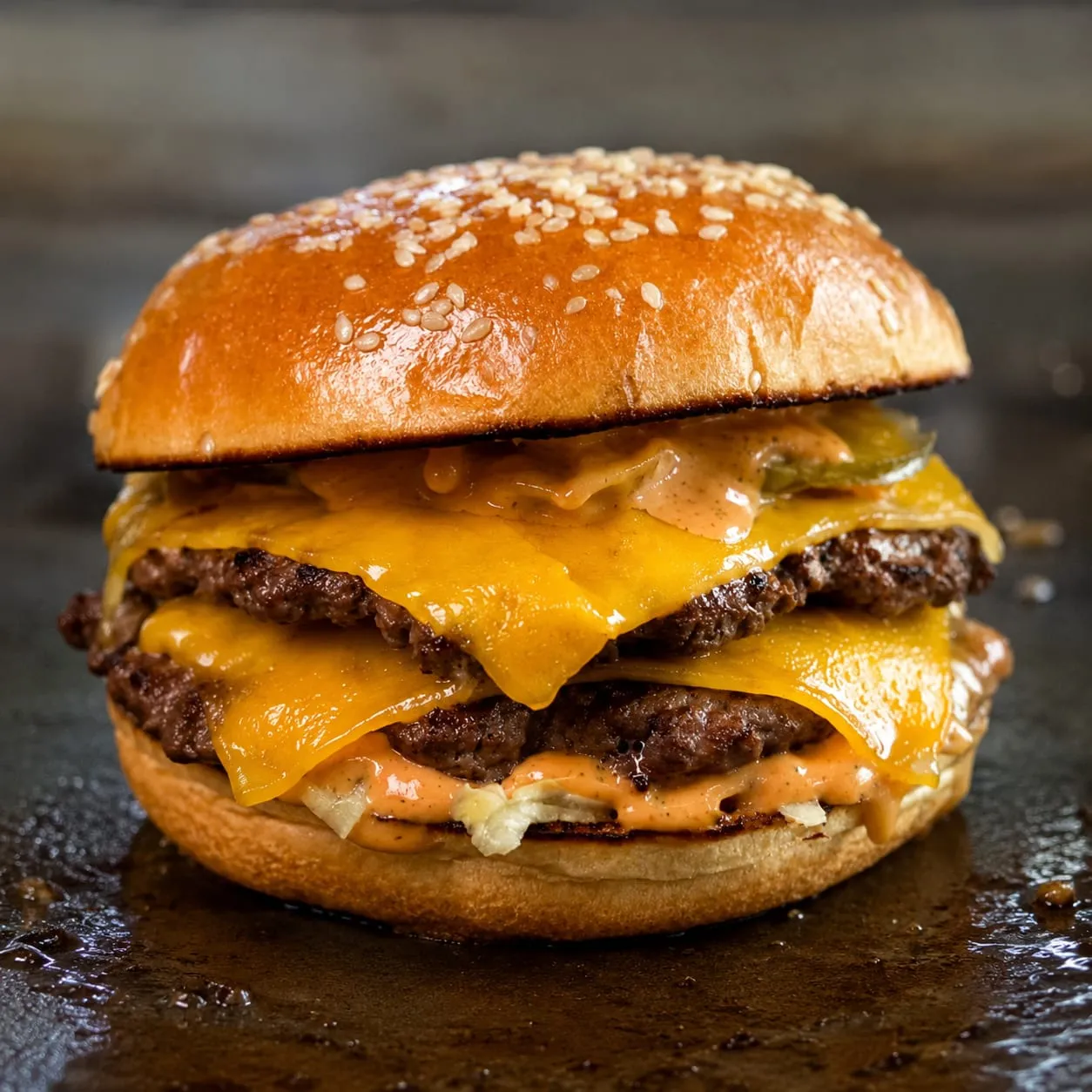
Blackstone Burgers: Classic Griddle Burgers and Smash Burgers
The complete guide to burgers on a Blackstone griddle: classic thick patties and crispy smash burgers, with temps, times, and the special sauce.