
Blackstone Griddle Recipes for Beginners: 10 Easy Picks
The Blackstone isn’t complicated, but there’s a learning curve in the first few cooks. The surface runs hotter than most people expect, heat zones take practice to manage, and a few key techniques (the smash, the par-cook, the dome) make the difference between good results and great ones.
The recipes below are the best starting point. Each one is forgiving, produces a great result quickly, and teaches a technique you’ll use for everything else on the griddle.
Before your first cook: Read the Blackstone seasoning guide if you haven’t done an initial seasoning yet. Proper seasoning takes 30 minutes and affects every cook after it. Brand-new griddle still in the box? Start with your first cook guide: assembly, the soapy wash Blackstone requires, and the whole day-one order.
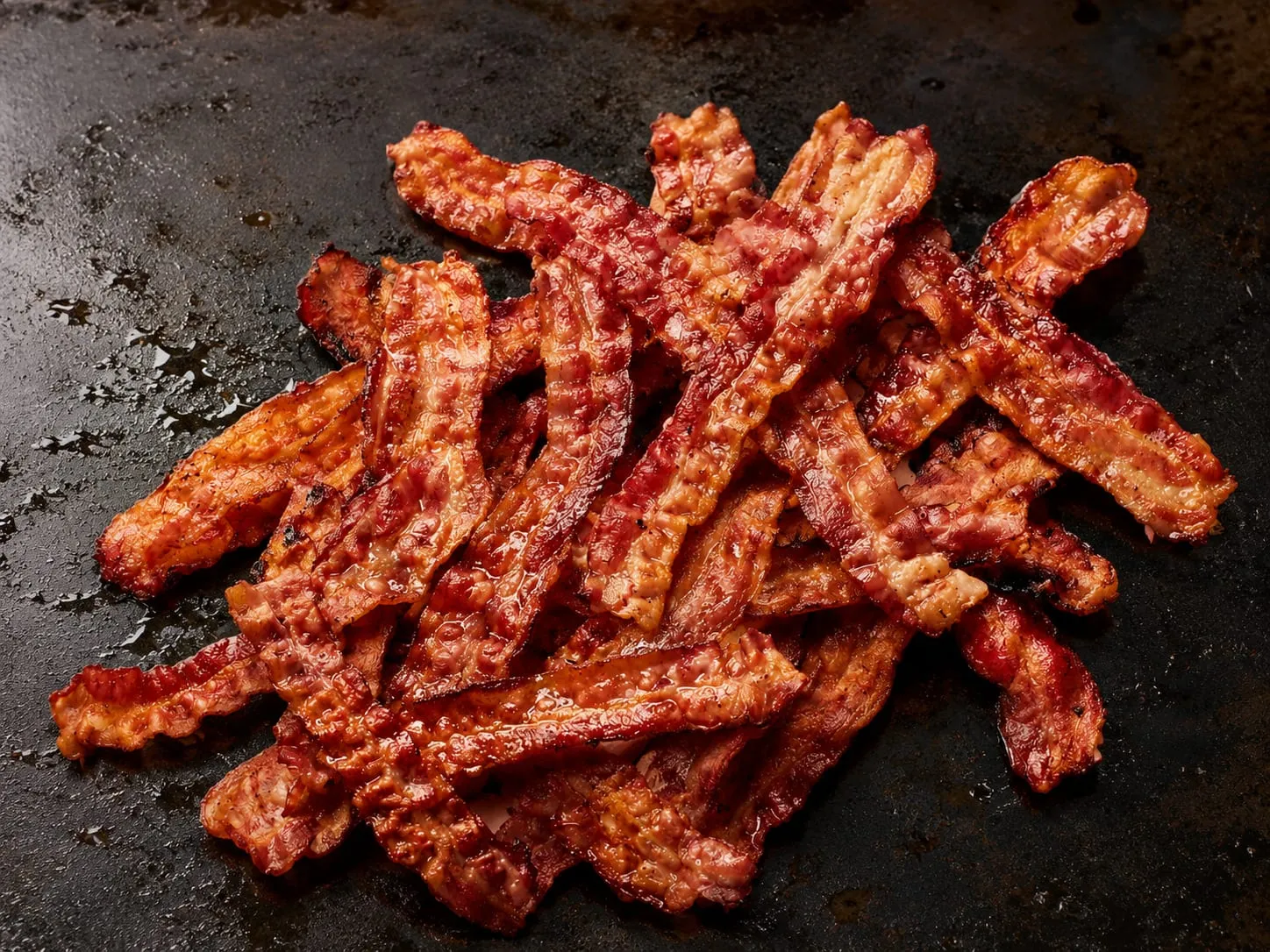
1. Bacon
The best first cook on any Blackstone. Bacon is nearly impossible to ruin, teaches you about heat levels and rendered fat, and the grease that stays on the surface helps season it for future cooks. Lay it flat, let it sizzle, and learn what medium heat actually looks and sounds like.
What you learn: reading heat on the surface, managing grease, and how much fat renders from a protein.
2. Eggs
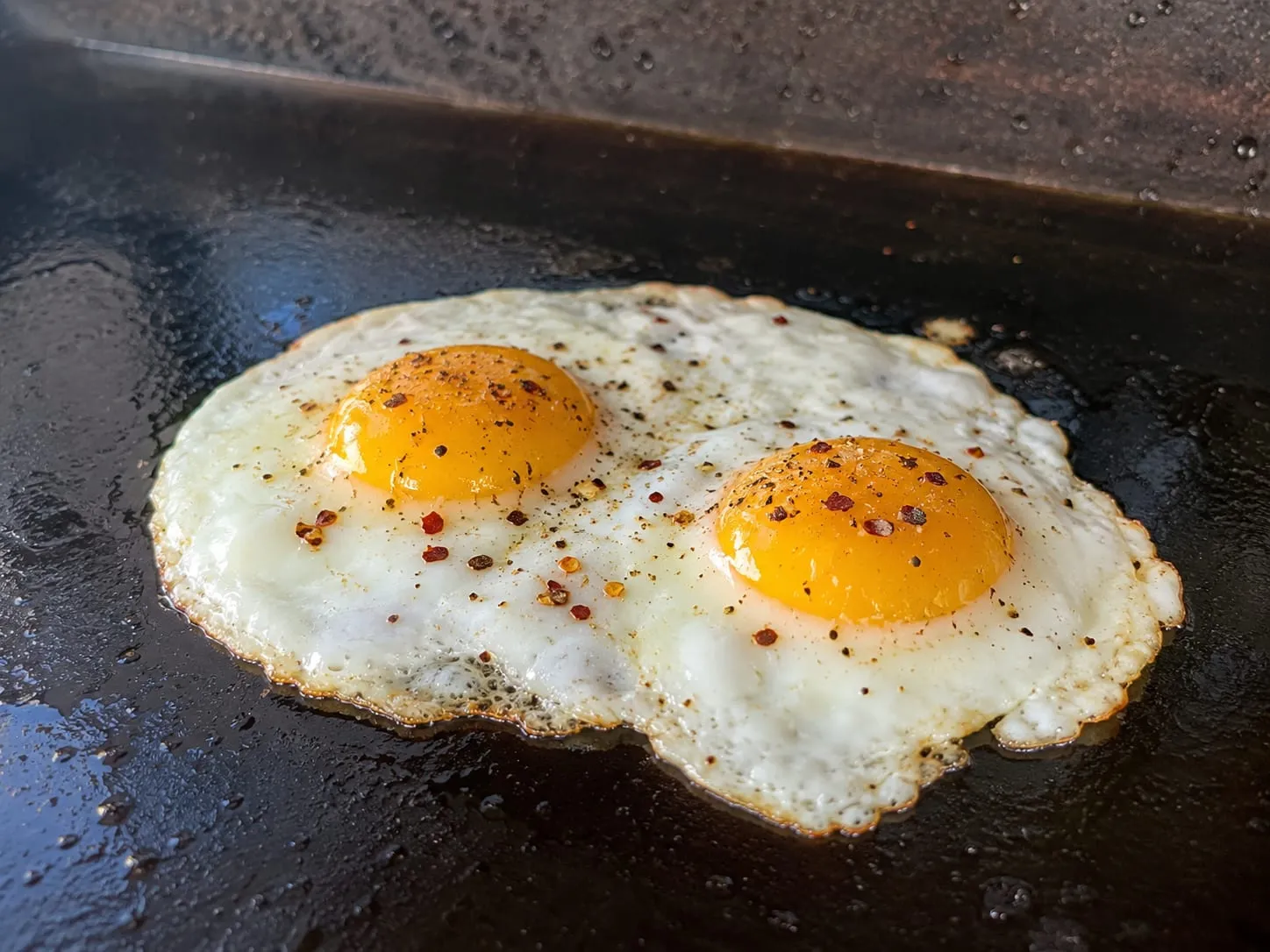
Eggs teach temperature control better than any other food. Cook them too hot and the whites turn rubbery and brown at the edges; too cold and they spread thin and stick. Nail the temperature and eggs slide off the surface cleanly. Start with fried eggs: they give you immediate visual feedback.
What you learn: using the right heat for delicate items, applying butter and oil correctly, and controlling doneness by eye.
3. Smash Burgers
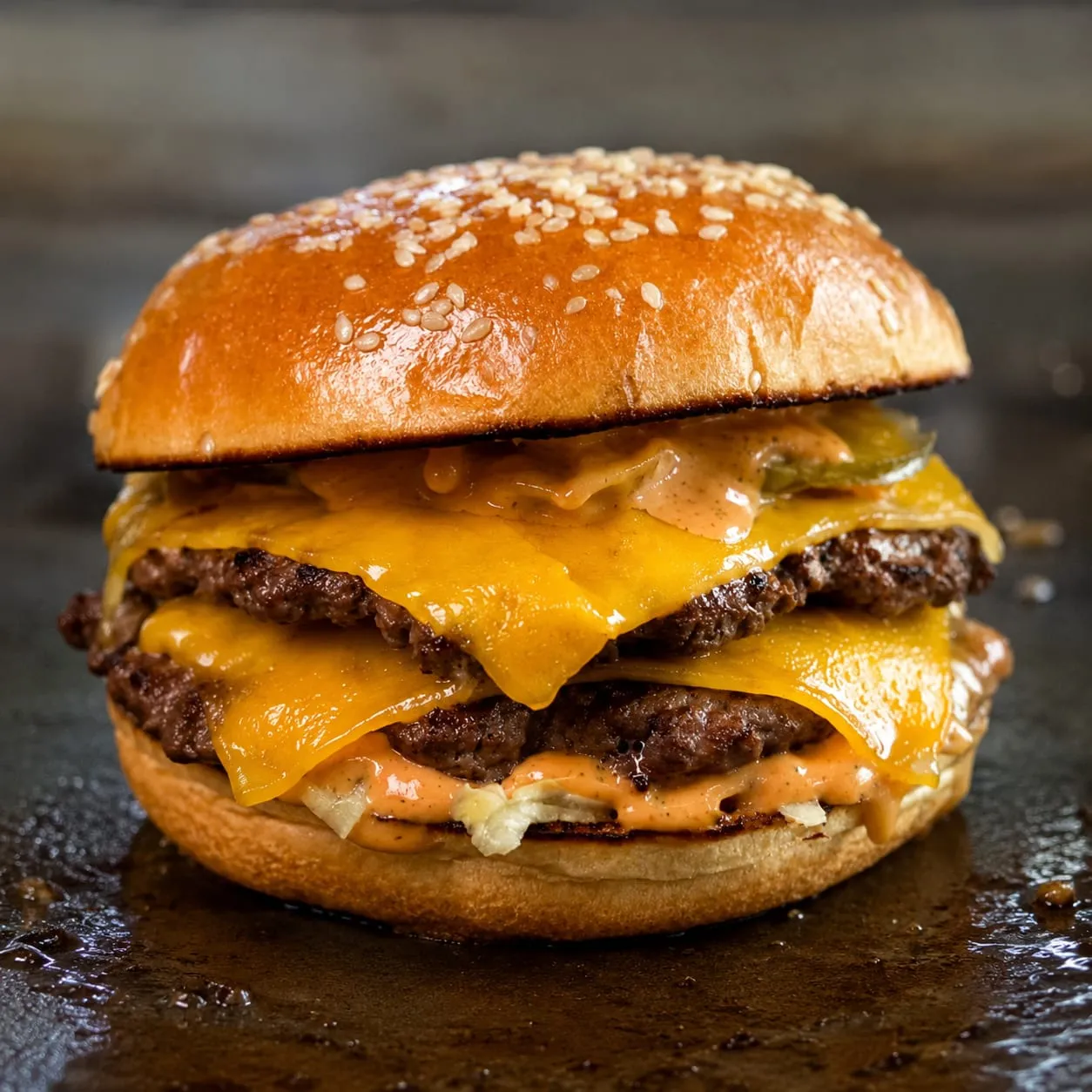
One of the most satisfying things a beginner can make. Ball up 80/20 ground beef, smash it hard against the hot steel, and wait. The Maillard reaction builds a crispy, lacy-edged crust in under 3 minutes. Fast, impressive, and the technique teaches you the most important flat-top skill: getting a proper sear.
What you learn: high-heat searing, the smash technique, and reading when a patty is ready to flip.
4. Hot Dogs
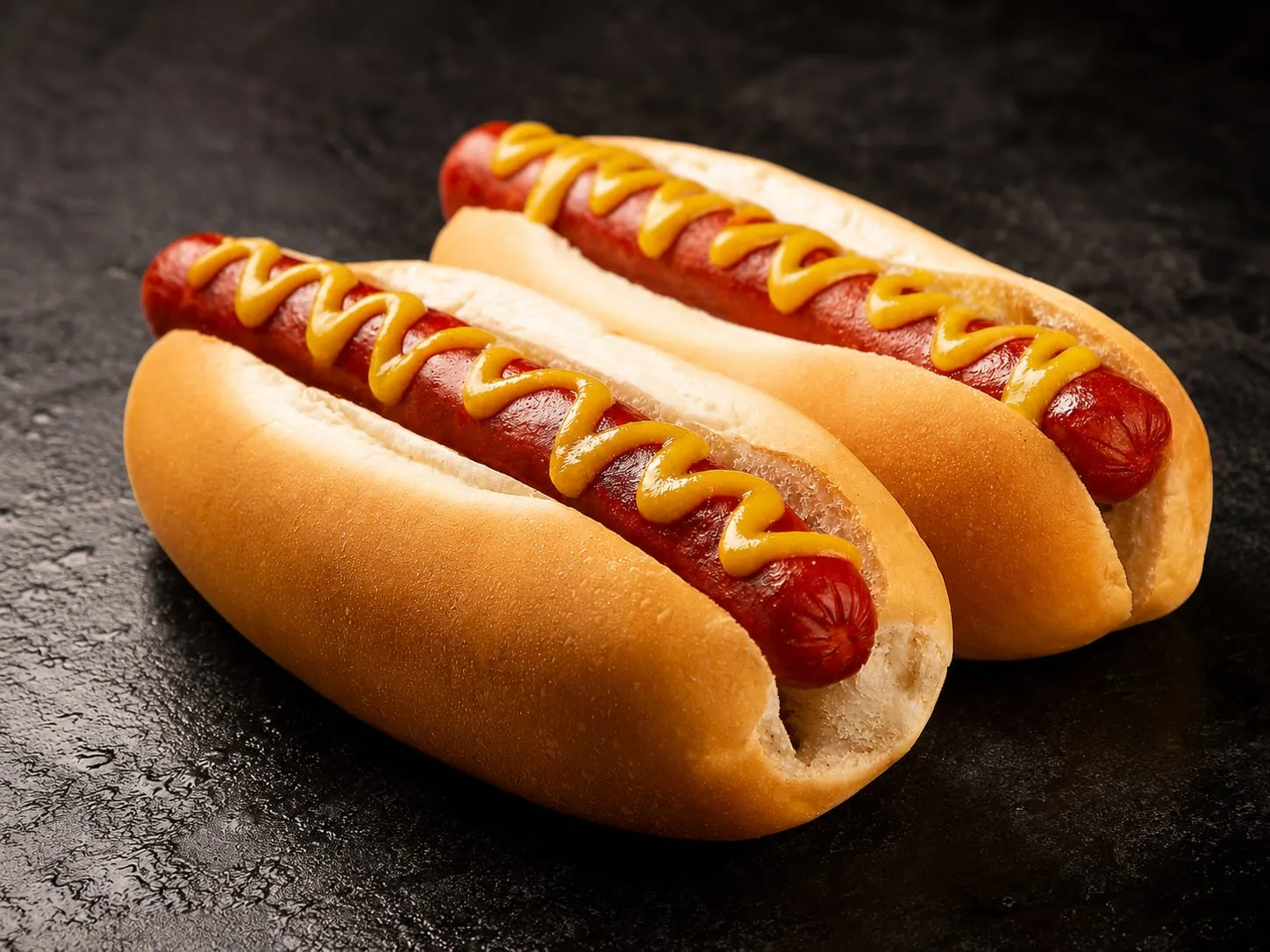
The simplest protein on the Blackstone. Roll them on medium heat for 4-5 minutes until the skin tightens and the exterior browns. Toast the buns cut-side down for 60 seconds on the same surface. Total time: under 10 minutes.
What you learn: using two temperature zones at once (hot dogs on medium, buns on low) without thinking about it.
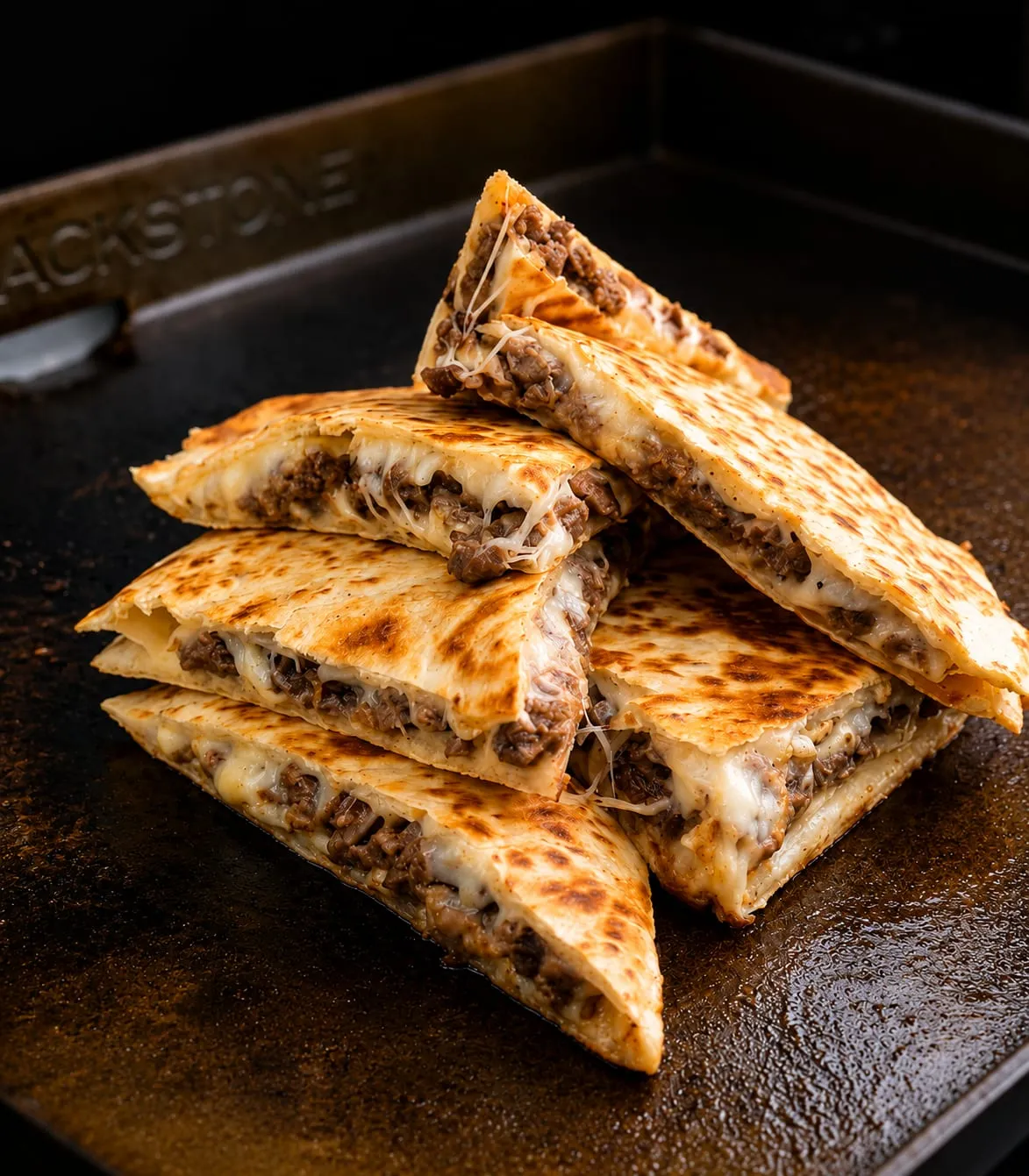
5. Quesadillas
A good beginner lesson in assembly and timing. Place a tortilla flat on medium heat, add cheese and fillings to one half, fold, and flip when the bottom is golden. Everything needs to be ready before the tortilla browns: it’s a small amount of coordinated movement that pays off in every future cook.
What you learn: working quickly, reading doneness on bread and tortillas, and moving between heat zones.
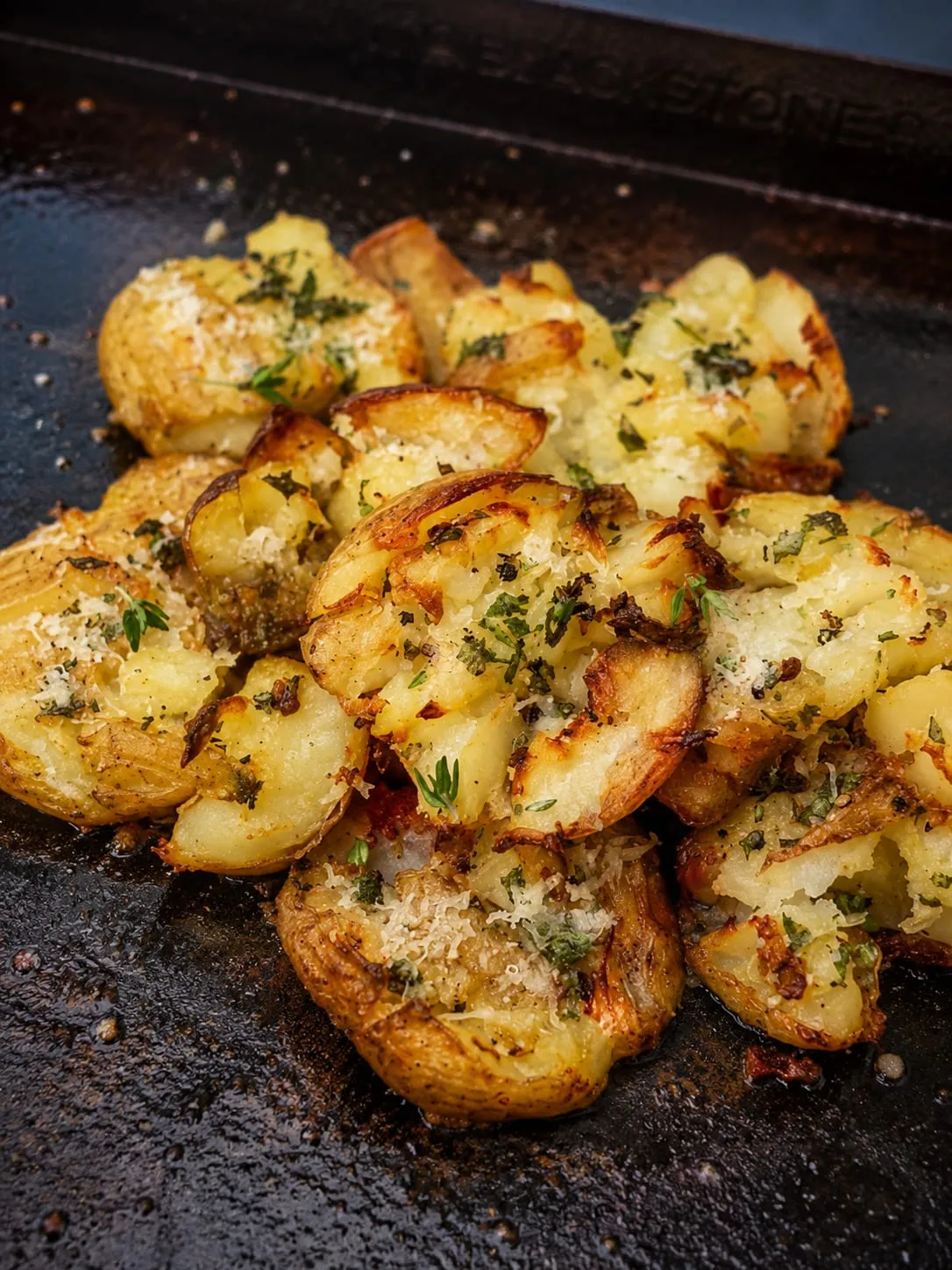
6. Potatoes
Potatoes teach the par-cook technique that unlocks most root vegetables on the Blackstone. Microwave or briefly boil them until just tender, then finish on the hot griddle. Skip the par-cook and you get raw centers and burnt exteriors, the most common beginner potato mistake.
What you learn: par-cooking, patience (don’t move them too early), and how to get a crust on starchy food.
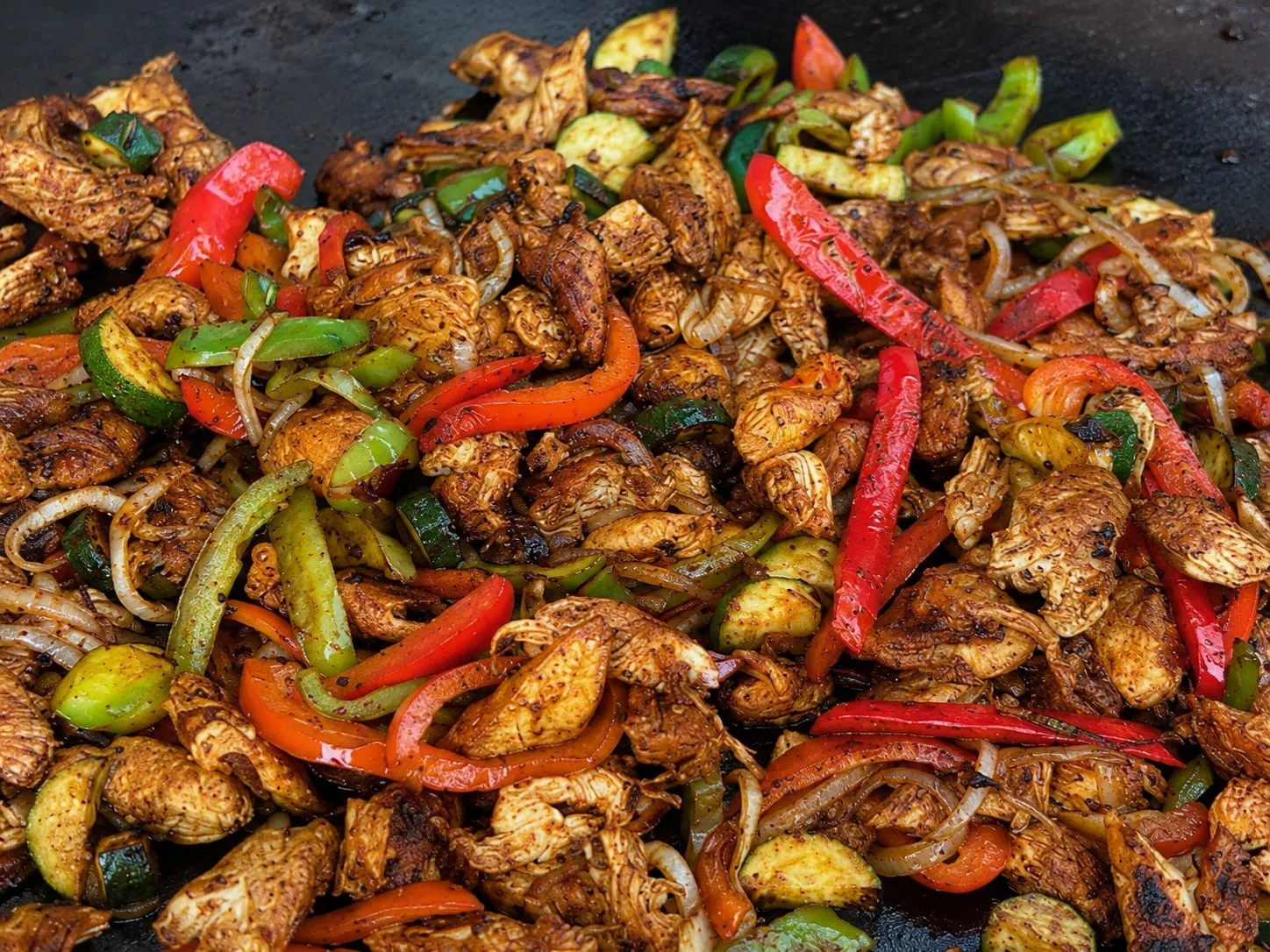
7. Chicken Fajitas
Your first real multi-zone cook. Chicken and vegetables need different heat levels, peppers and onions on medium-low for 10 minutes, chicken on medium-high for a sear. The Blackstone handles both at once, and this recipe introduces marinating, timing with multiple components, and warming tortillas on the same surface.
What you learn: running multiple heat zones simultaneously and timing a multi-component meal so everything finishes together.
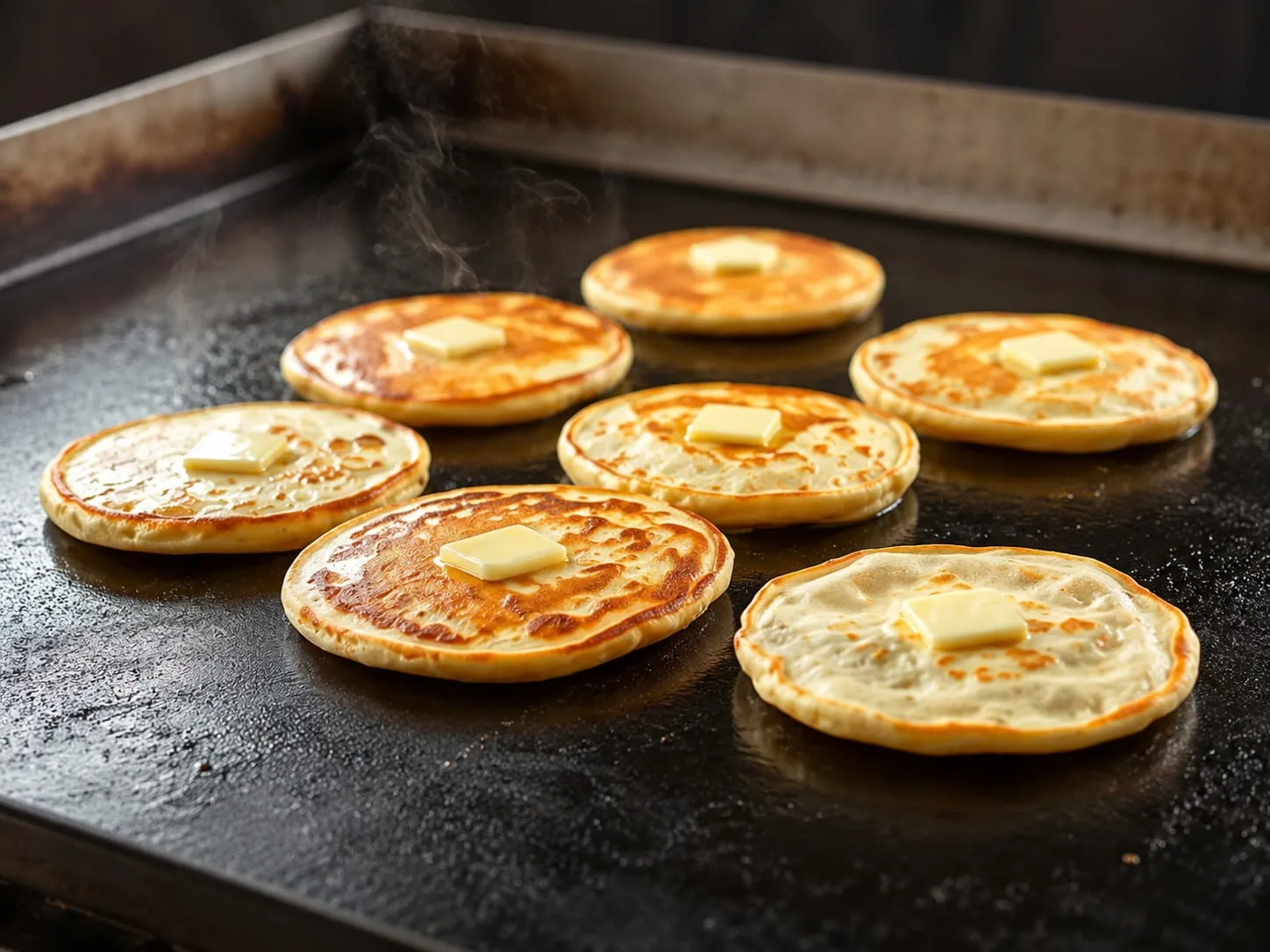
8. Pancakes
Pancakes on the flat top are better than in any pan: even heat edge-to-edge means every pancake browns uniformly, no pale rings, no hot-spotted centers. The only rule worth remembering: 350°F, which is lower than most people expect. High heat sets the exterior before the center can rise.
What you learn: lower-temperature griddle cooking and reading the bubble signal before flipping.
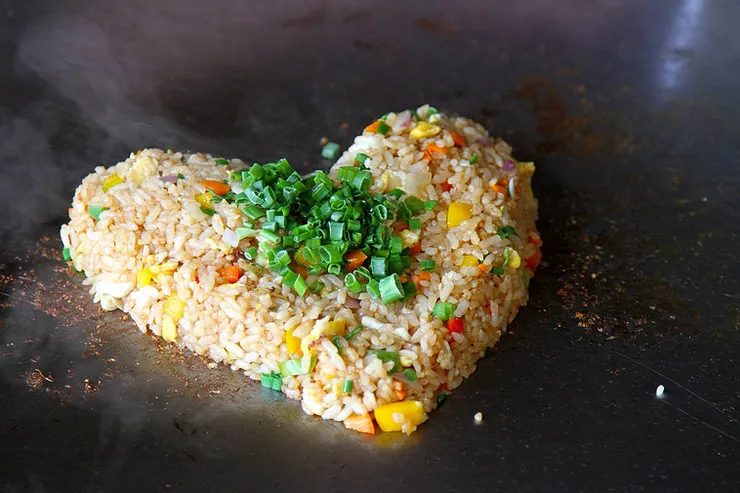
9. Fried Rice
A great “clean out the fridge” recipe that teaches high-heat stir-frying on the flat top. Day-old rice, whatever vegetables you have, eggs, soy sauce, everything goes on the hot griddle in sequence and gets tossed and moved. Fast, flexible, and the technique scales to any stir-fry or noodle dish.
What you learn: high-heat cooking, tossing and moving ingredients across the full surface, and adding components in sequence.
10. Shrimp
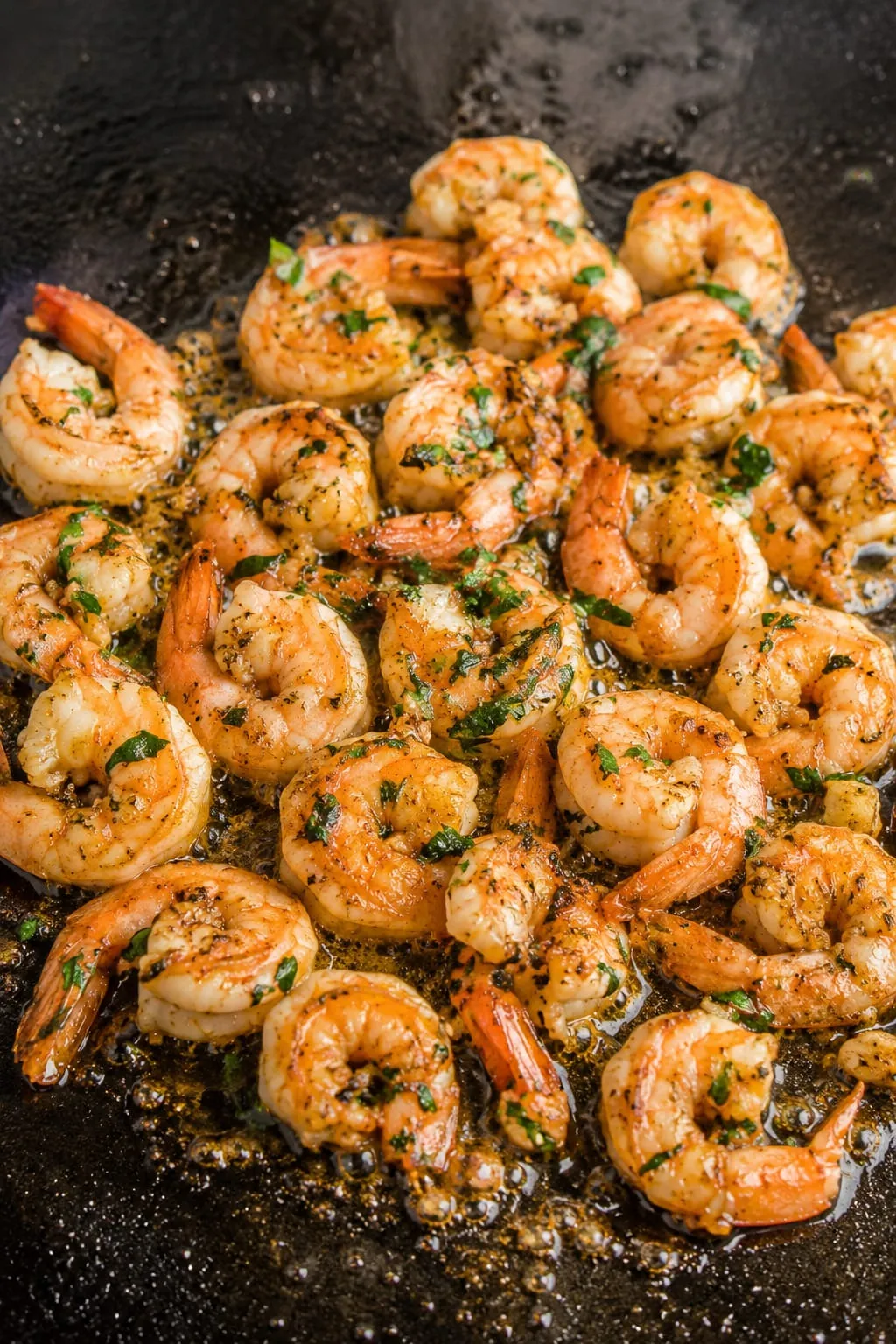
Beginner-friendly because it cooks in 2-3 minutes per side and signals doneness visually, pink and opaque means done. The flat top gives better browning than a pan and you can cook a full pound at once without crowding.
What you learn: fast, high-heat protein cooking and reading visual doneness cues without a thermometer.
Getting Started Tips
Preheat for at least 10 minutes. The surface needs time to reach a consistent temperature: an uneven surface means uneven cooking. Turn all burners to medium-low and let it heat gradually before turning up.
Use the water drop test. A few drops of water tells you where you are: drops that ball up and skitter = medium-high (good for burgers and proteins). Drops that sizzle and evaporate immediately = too hot for eggs and pancakes. Drops that just sit and spread = not ready yet.
Less oil than you think. A thin coat is enough. Too much oil pools and smokes. Apply a small amount before each cook and spread it thin with a spatula.
High heat is for searing, not for everything. Steaks and smash burgers want 400-450°F. Eggs and pancakes want 325-350°F. Learn to run different temperatures on different burners.
The first few cooks season the surface. Don’t be alarmed if the first cook isn’t perfect. The surface improves with each use as the seasoning layers build up.
For more guidance, see the complete Blackstone seasoning guide and Blackstone tips that actually make a difference.
More Blackstone recipe collections: Breakfast Recipes · Dinner Ideas · Lunch Ideas
Frequently Asked Questions
What should I cook first on a new Blackstone griddle?
Bacon. It’s nearly impossible to ruin, teaches you heat and grease management, and the rendered fat helps season the surface for future cooks. Eggs and burgers are good second and third cooks.
What temperature should a beginner use on a Blackstone?
Start with medium heat (around 350-375°F) for most beginner recipes. Once comfortable, learn to run one burner hot (400°F+) for searing proteins and another lower (300-325°F) for bread and delicate items.
What oil should I use on a Blackstone?
Avocado oil is the best all-purpose choice: high smoke point, neutral flavor, and it works across the full temperature range. Use butter for eggs, pancakes, and sandwiches where you want the flavor, mixed with a little oil to prevent burning.
Do I need to season a new Blackstone before cooking?
Yes. A new Blackstone needs 2-3 initial seasoning sessions before the first cook. The full seasoning guide covers the process: it takes about 30 minutes and makes a significant difference in how the surface cooks and cleans.
How do I keep food from sticking to a Blackstone?
Three causes of sticking: surface not hot enough before food goes on, not enough oil, or trying to flip too early. Food releases naturally from a hot, oiled surface once it’s seared. If it’s sticking when you try to flip, give it another 60 seconds.
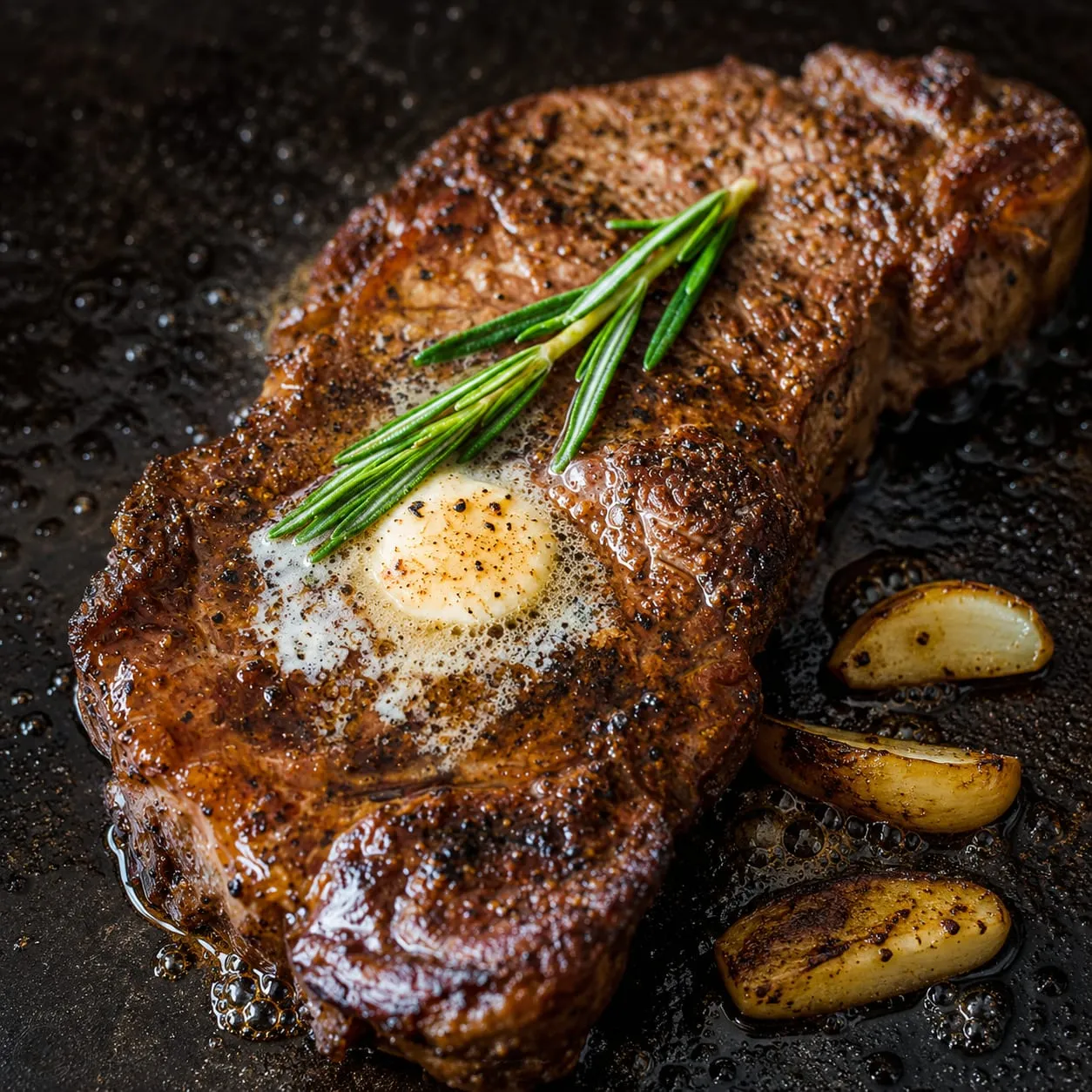
Best Blackstone Steak Recipes (Ribeye, Filet Mignon, Skirt, and More)
Every steak recipe on this site in one place: ribeye and strip, filet mignon, skirt steak with chimichurri, carne asada, fajitas, and steak bites, with the pull temp for each cut.
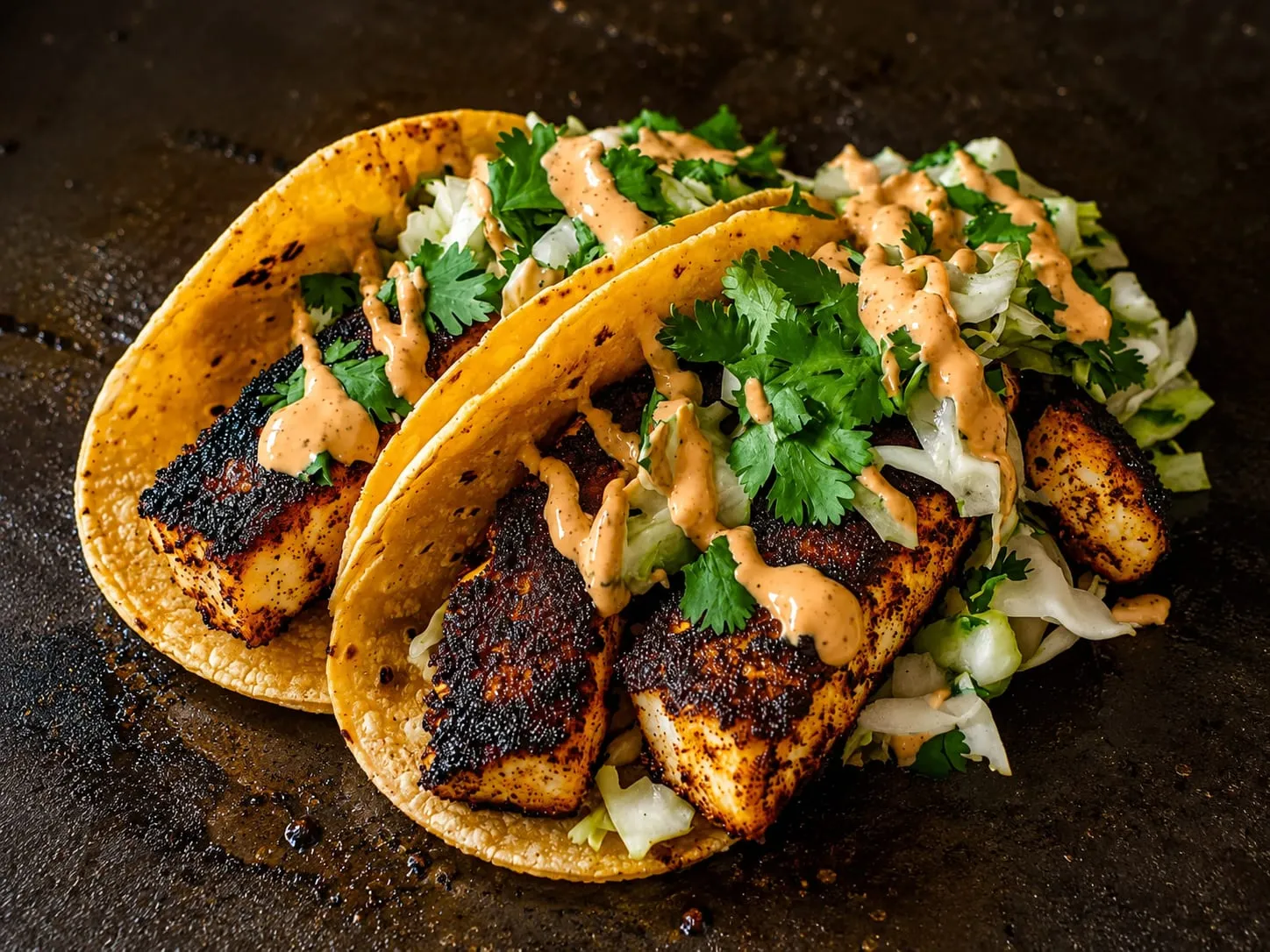
Gluten-Free Blackstone Recipes (30 Flat-Top Meals)
Gluten-free Blackstone recipes across proteins, tacos, vegetables, and sauces, plus the honest limitation of cooking gluten-free on a griddle that also cooks bread and buns.
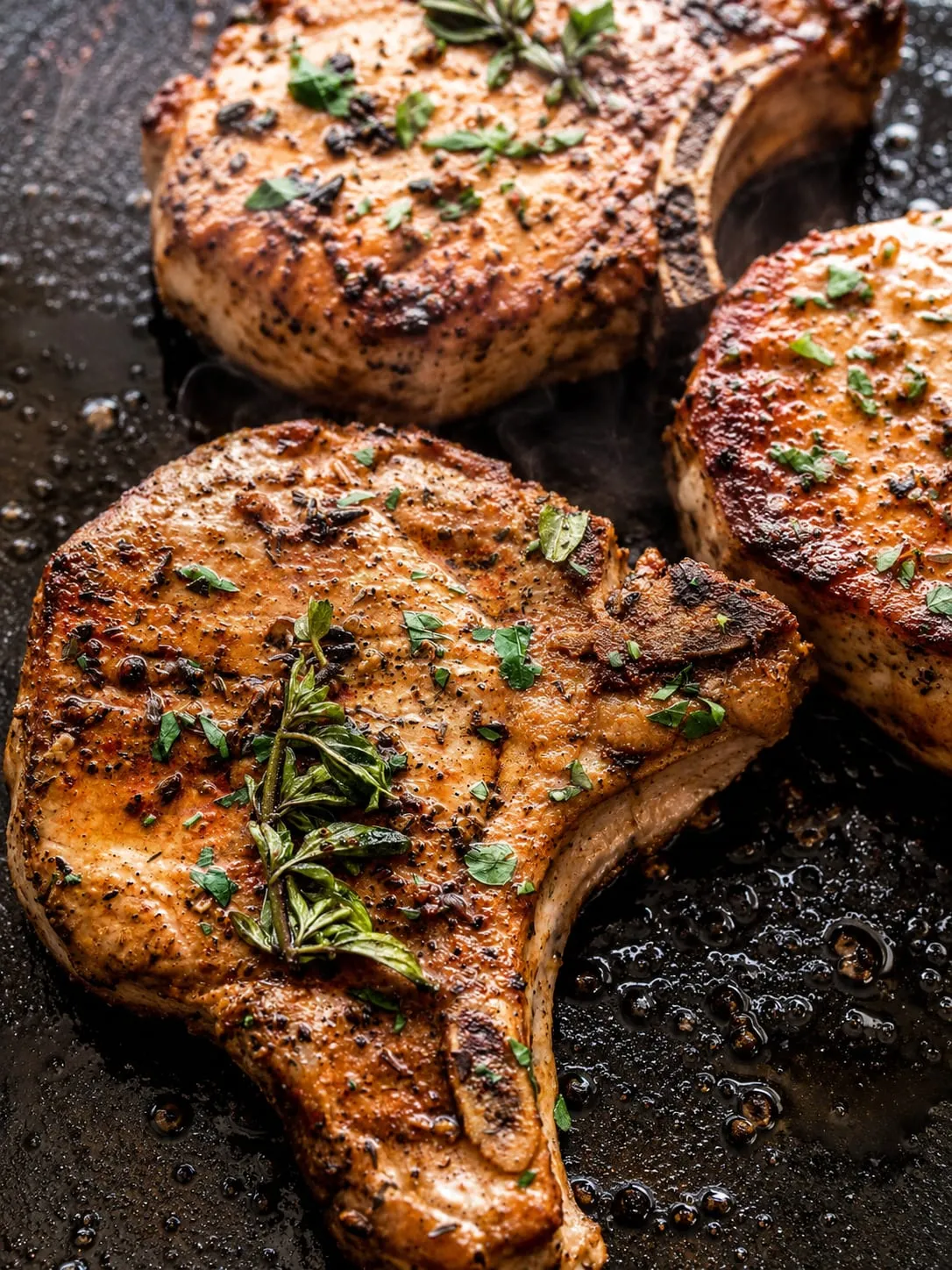
Best Blackstone Pork Recipes (Chops, Tenderloin, Brats, and More)
The best pork recipes for a Blackstone griddle: chops, tenderloin, bratwurst, and a pressed Cuban, plus the two internal temperatures that keep pork from drying out.