
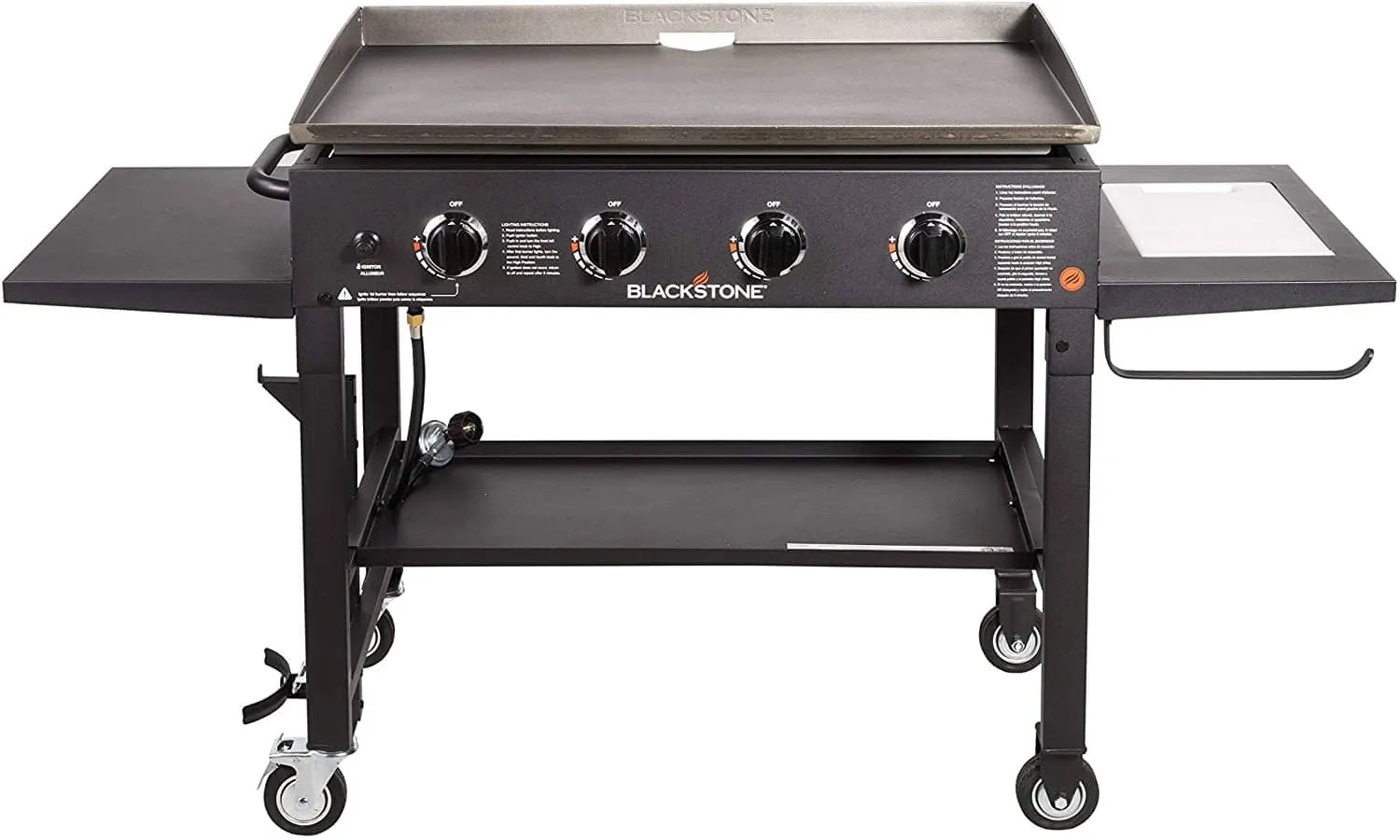
Blackstone Not Getting Hot? 7 Fixes for Low Flame and Weak Heat
You fire up the Blackstone, the burners light, and then… nothing. Low, lazy flames, a surface that barely breaks 300°F after fifteen minutes, food that steams instead of sears. A griddle that won’t get hot is one of the most common Blackstone complaints, and it’s rarely a broken griddle. The usual cause is the propane regulator sitting in safety mode, often with a full 20-lb tank attached, and the fix takes about two minutes.
This guide starts with that fix, then works through the six other causes of weak heat in the order you should check them.
Fix 1: Reset the Regulator (This Is Usually It)
Every Blackstone regulator has a built-in flow-limiting safety device. If it detects what it thinks is a gas leak (which is usually just you opening the tank valve too quickly) it restricts propane flow to a trickle. The burners still light, but they’ll never produce real heat. The regulator stays in this bypass mode until you reset it.
The reset procedure:
- Turn all burner knobs to off.
- Close the propane tank valve completely.
- Disconnect the regulator from the tank.
- Wait a full 60 seconds. This lets the safety device reset.
- Reconnect the regulator, hand-tight.
- Open the tank valve slowly. A quarter to half turn is enough. This is the step that matters: opening it fast is what trips the safety in the first place.
- Wait 30 seconds, then light one burner on high.
The flame should be tall, strong, and mostly blue. If the flames were weak and orange before and they’re strong now, you found your problem. Get in the habit of opening the tank valve slowly every time and it won’t come back.
Fix 2: Check How Much Propane You Actually Have
A tank that’s nearly empty can’t maintain pressure, and the gauge-free standard tank gives you no warning. Two quick checks:
- Weigh it. The empty (tare) weight is stamped on the tank collar, usually 17-18 lbs. A full 20-lb tank weighs 37-38 lbs total. If yours weighs 20 lbs, you’re running on fumes.
- The warm water trick. Pour a cup of warm water down the side of the tank, then feel it. The metal turns cool at the propane fill line: condensation forms where liquid propane sits. Cool all the way down means fine; cool only at the bottom means it’s nearly empty.
Fix 3: Inspect the Hose
Follow the hose from the tank to the griddle. A kink, a pinch under the cart frame, or a hose pinned by the leg fold restricts flow the same way the regulator safety does. While you’re at it, check the connection points are snug. A loose fitting bleeds pressure.
Fix 4: Clear the Burner Tubes
If one burner is weak while the others run fine, this is your cause. The regulator affects all burners equally, but a clog affects only its own tube. Spiders and insects love propane burner tubes; they nest in them over winter storage, and debris finds its way in during a season of cooking.
With the griddle off and cool, remove the griddle top and look at the burner tubes. Clear any visible webbing or debris with a flexible brush or compressed air, and make sure the small orifice where gas enters each tube is clean. This is worth doing once a season regardless. The full teardown is covered in the cleaning guide.
Fix 5: Block the Wind
Wind is the invisible heat thief. A steady crosswind pulls heat off the cooking surface faster than the burners can replace it, and it can even blow the flame pattern sideways so the steel above never gets full contact. If your griddle runs fine in the garage doorway but weak on the open patio, wind is the difference.
Reposition the griddle so the burner intake side faces away from the wind, or fit wind guards. They attach to the frame and pay for themselves in propane. If the wind is actually blowing burners out, or the flames look yellow rather than just weak, that’s covered in flame problems.
Fix 6: Account for Cold Weather
Propane vaporizes more slowly in cold temperatures, which drops the pressure your burners receive. Below 30°F the effect is noticeable; well below freezing it can starve the burners entirely, even with a full tank and a healthy regulator. Keep the tank full (fuller tanks hold pressure better), and see the winter griddling guide for the full cold-weather playbook.
Fix 7: Give It a Real Preheat
Sometimes the griddle is fine and the expectations are off. Cold rolled steel takes 8-10 minutes to come up to searing temperature, longer in cold or wind. Judge the surface with an infrared thermometer rather than a hand wave. Knob position tells you almost nothing about actual surface temperature, which is why every temp on this site is measured, not guessed. The griddle temperature guide covers what reading you actually want for each food.
Still Weak After All Seven?
If you’ve reset the regulator, confirmed propane, checked the hose, cleared the tubes, and the griddle still can’t break 350°F on high in calm weather, the regulator itself may be failing. Replacement regulators are inexpensive and available directly from Blackstone or Amazon; make sure the replacement matches your model’s connection type. Blackstone’s customer service will send one under warranty if the griddle is under a year old.
Related: Blackstone Troubleshooting Guide · Flame Problems · Blackstone Igniter Not Working? · How to Clean a Blackstone Griddle · Griddle Temperature Guide · Cooking on a Blackstone in Winter
Frequently Asked Questions
Why is my Blackstone flame low with a full tank of propane?
The regulator’s flow-limiting safety device has almost certainly tripped, usually from opening the tank valve too fast. Turn everything off, disconnect the regulator from the tank, wait 60 seconds, reconnect, and open the tank valve slowly. This resets the safety and restores full flow.
How do I reset the regulator on a Blackstone griddle?
Turn all burners off and close the tank valve. Disconnect the regulator, wait a full 60 seconds, reconnect it hand-tight, then open the tank valve slowly, a quarter to half turn. Light a burner and check the flame. The slow valve opening is the key step; opening it fast re-trips the safety.
Why is one side of my Blackstone not getting hot?
A clog in the burner tube or orifice on that side: spiders and debris are the usual culprits. The regulator affects every burner equally, so a single weak burner (or one cool side) points to a blockage. Remove the griddle top and clear the tube with a flexible brush or compressed air.
Does cold weather make a Blackstone less hot?
Yes. Propane vaporizes more slowly in the cold, which lowers the pressure reaching the burners, noticeable below 30°F. Keep the tank as full as possible in winter, since fuller tanks maintain pressure better, and expect longer preheat times.
How long should a Blackstone take to get hot?
8-10 minutes to reach searing temperature (450°F+) in mild, calm conditions, longer in cold or wind. If the surface can’t break 350°F on high after 15 minutes of preheating in calm weather, work through the regulator reset and the other checks above.
What Not to Cook on a Blackstone (and What to Do Instead)
What doesn't work on a Blackstone griddle: low-and-slow cuts, big roasts, anything that sits in liquid, and deep-fried food, plus how to split the cook so the griddle still does the part it's good at.
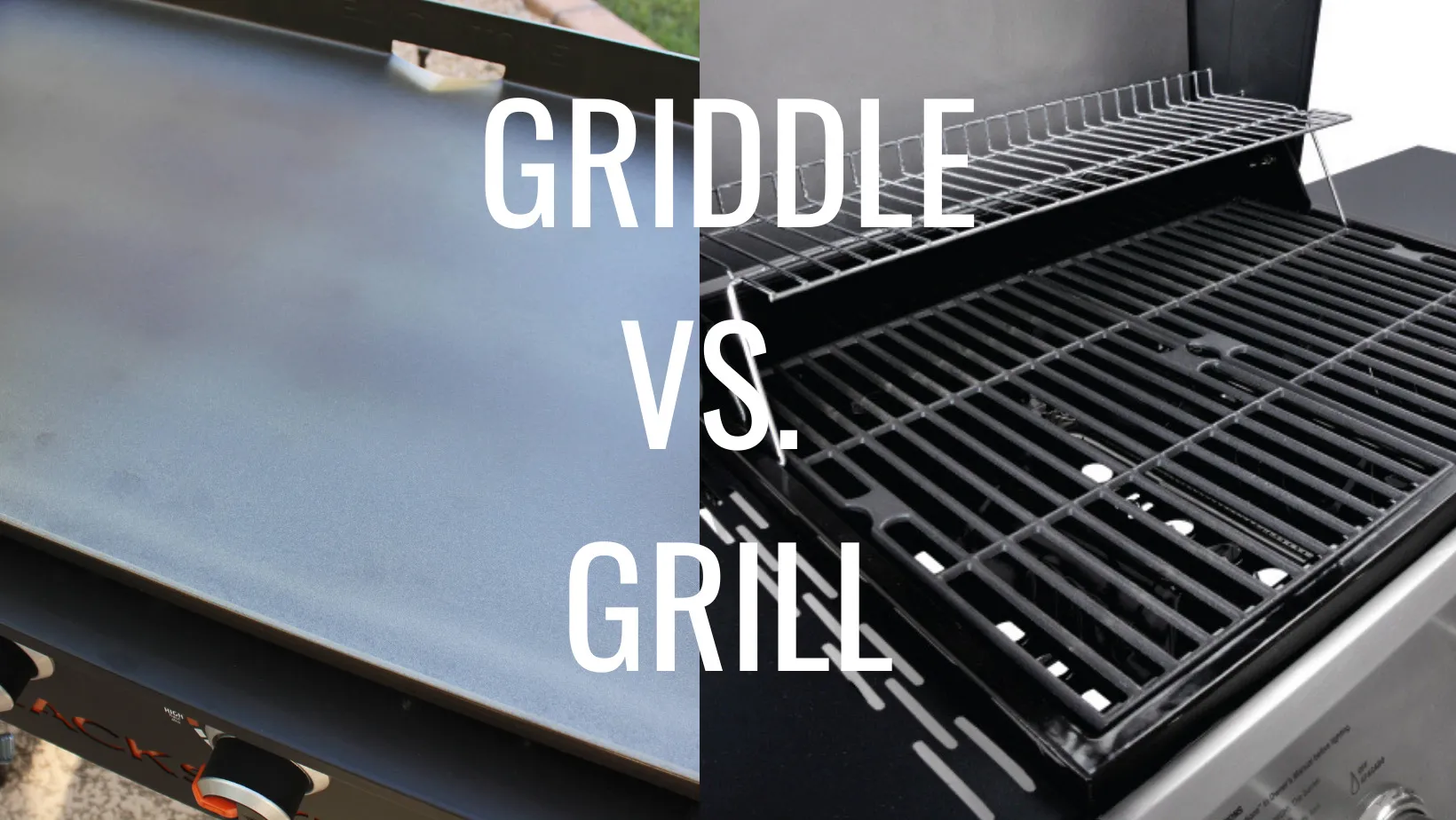
Griddle vs Grill: Which Should You Get?
Griddle vs grill: the real differences, which is healthier, whether a griddle is worth it if you already own a grill, and which wins for steaks and burgers.
Why Is Everyone Selling Their Blackstone? An Honest Answer
Why is everyone selling their Blackstone? Mostly, they aren't. Here's the honest story, plus the real cons, lifespan, the Walmart price, and if it's worth it.