
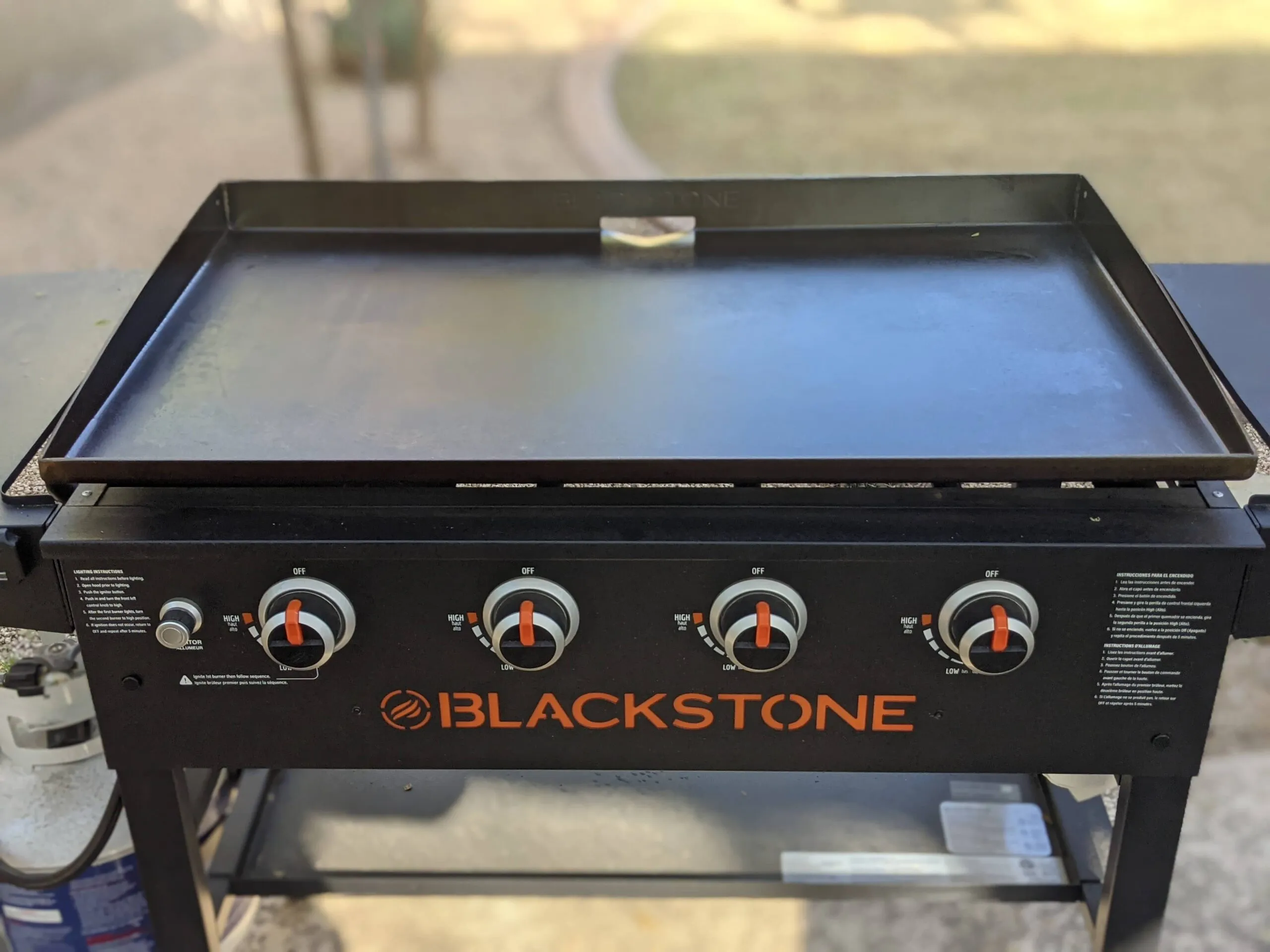
Warped Blackstone Griddle Top? Causes and Fixes
You notice oil pooling toward the middle of the griddle, or a slight rise in the center where it used to sit flat. Before you assume the top is ruined: some movement in a hot griddle top is completely normal. Steel expands when heated, and a large sheet of cold-rolled steel will crown slightly at cooking temperature, then settle back as it cools. If your “warp” appears when hot and disappears when cold, that’s physics, not damage.
A real warp (a bow or twist that’s still there when the griddle is stone cold) is a different story. Here’s what causes it, how to avoid it, and what your options are if it’s already happened.
What Actually Warps a Griddle Top
Cold water on hot steel. This causes more warped tops than everything else combined. Pouring cold water onto a 500°F surface (usually during an enthusiastic cleanup) creates an instant, extreme temperature difference between the top and bottom of the steel. The metal contracts violently on one side and something has to give. One bad thermal shock can put a permanent bow in a top that survived years of normal cooking.
The rule: steam-clean with small amounts of room-temperature or warm water, on a warm (not maximum-heat) surface. Never dump cold water on screaming-hot steel.
Uneven, aggressive preheating. Lighting one burner on maximum while the rest of the top sits cold expands one zone of the steel against three rigid cold ones. Do it routinely and the stress accumulates. Preheat all burners on low for the first several minutes, then bring zones up to target, the same habit covered in the griddle tips guide.
Extreme empty preheats. Running the griddle wide open, empty, for very long stretches heat-cycles the steel harder than cooking ever does. Preheat with purpose (10-15 minutes is enough) rather than leaving it blasting for an hour.
Is Your Top Actually Warped? The Cold Test
Check the surface when the griddle is completely cold:
- Lay a straightedge (a level, a long ruler, the edge of a spatula blade) across the surface in several directions.
- A gap of about ⅛” or less in the center is within normal manufacturing tolerance. Most tops are not machined dead-flat to begin with, and a slight crown helps grease run to the trap on rear-drain models.
- A visible bow you can rock the straightedge on, a corner that sits high, or a hollow that pools a serious puddle of oil. That’s a true warp.
Living With a Minor Warp
Here’s the honest part: a minor warp barely affects cooking. The steel still conducts heat, food still sears, and you adjust in small ways:
- Use slightly more oil so the film reaches the high spots.
- Cook liquid-heavy items (eggs, pancake batter, fried rice) on the flattest zone. Find it once with your straightedge and remember it.
- Let thin batters set for a few seconds before they can migrate.
Plenty of griddles cook excellent food for years with a visible dish in the middle. If your food isn’t suffering, the warp is cosmetic.
Fixing a Real Warp
Manage expectations: once steel has permanently deformed, getting it truly flat again is difficult, and there’s no guaranteed home fix.
The heat-and-press method is the one that sometimes helps: heat the griddle until the warped zone is fully expanded, place a flat, sturdy board (wrapped in a towel) over the high spot, and apply steady downward pressure with gloved hands while the steel cools. Some owners report improvement, others none. It depends on how the warp is stressed. It won’t make things worse if done with steady pressure rather than hammering.
Replacement is the real fix. Blackstone sells replacement griddle tops for most models, and the top lifts off the frame without tools on the majority of them. If the griddle is under warranty and the warp appeared under normal use, contact Blackstone customer service before buying anything. Warped tops from manufacturing defects are covered in the first year.
Prevention Recap
- Warm or room-temperature water only, in small amounts, on a warm (not maximum-heat) surface
- Preheat all burners low before bringing zones up (tips guide)
- Don’t run maximum-heat empty preheats for long stretches
- In winter, give the steel extra time to come up gradually. A frozen top to full blast is a bigger thermal swing than the steel sees all summer
Related: Blackstone Troubleshooting Guide · Blackstone Griddle Tips · How to Clean a Blackstone Griddle · Blackstone Not Getting Hot?
Frequently Asked Questions
Is it normal for a Blackstone griddle to bow in the middle when hot?
Yes. Steel expands with heat, and a large griddle top will crown slightly at cooking temperature, then flatten back as it cools. If the surface is flat (or close to it) when cold, nothing is wrong. A true warp is one that remains when the griddle is completely cold.
Does cold water really warp a Blackstone griddle?
Yes, it’s the most common cause. Cold water on very hot steel creates a sudden, extreme temperature difference that stresses the metal past its limit, and one bad thermal shock can cause a permanent bow. Steam-clean with small amounts of warm water on a warm surface instead.
Can you fix a warped griddle top?
Sometimes, partially. The heat-and-press method (heating the top fully, then applying steady pressure over the high spot with a flat board as it cools) improves some warps and does nothing for others. For a significant warp, a replacement top from Blackstone is the reliable fix, and a warranty claim is worth trying if the griddle is under a year old.
Does a warped griddle top ruin cooking?
Usually not. A minor warp mostly affects where oil and thin batters flow. Use a little more oil, cook eggs and batters on the flattest zone, and most cooking is unaffected. Replace the top when the pooling genuinely interferes with how you cook, not before.
What Not to Cook on a Blackstone (and What to Do Instead)
What doesn't work on a Blackstone griddle: low-and-slow cuts, big roasts, anything that sits in liquid, and deep-fried food, plus how to split the cook so the griddle still does the part it's good at.
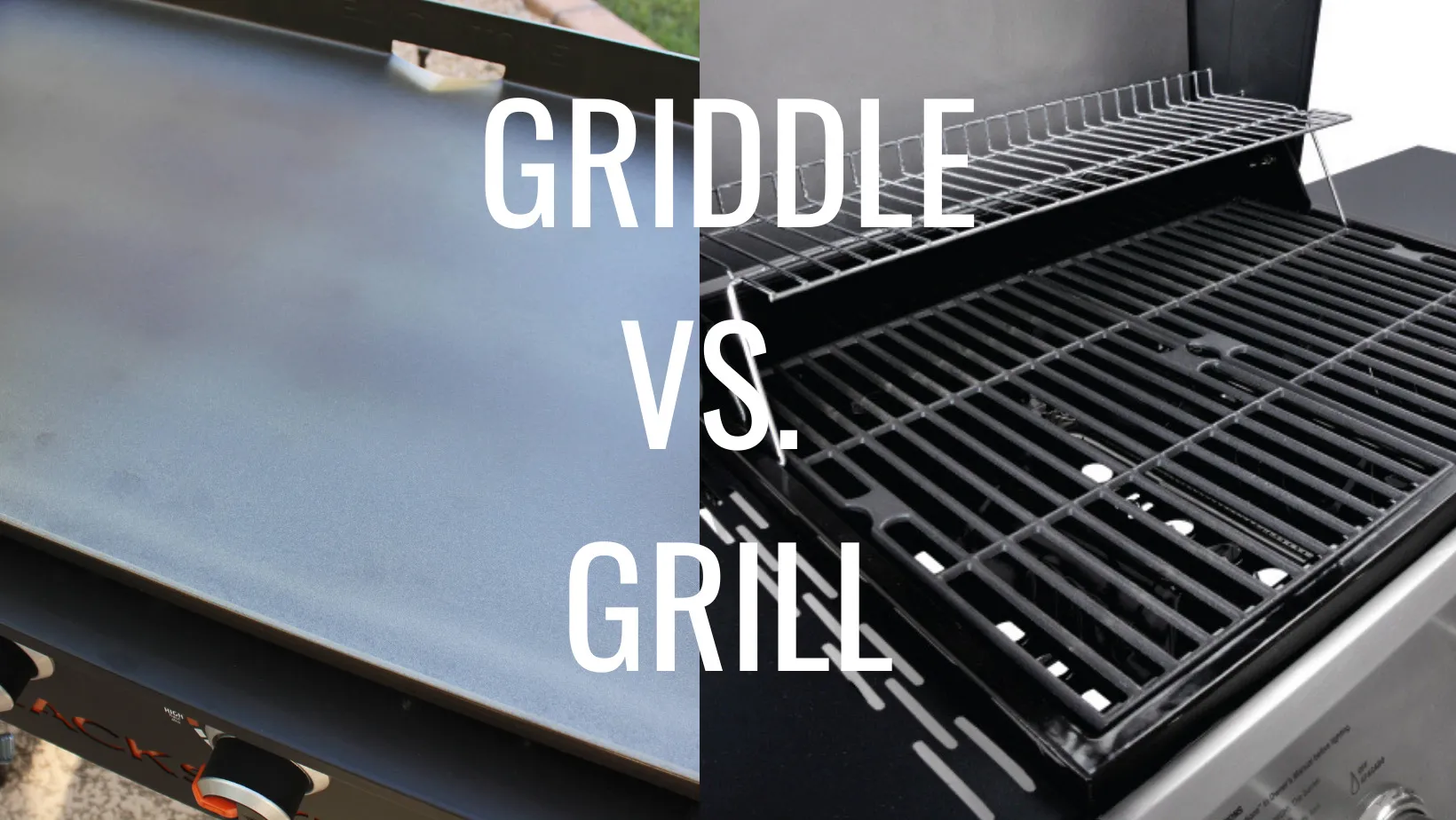
Griddle vs Grill: Which Should You Get?
Griddle vs grill: the real differences, which is healthier, whether a griddle is worth it if you already own a grill, and which wins for steaks and burgers.
Why Is Everyone Selling Their Blackstone? An Honest Answer
Why is everyone selling their Blackstone? Mostly, they aren't. Here's the honest story, plus the real cons, lifespan, the Walmart price, and if it's worth it.