
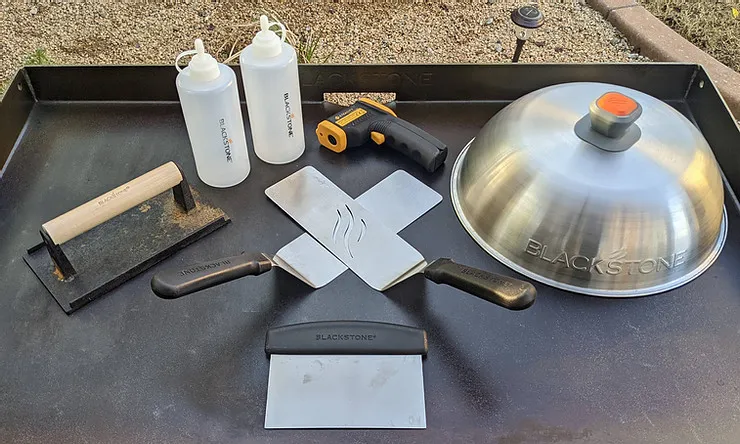
Best Outdoor Griddle in 2026: Top Flat Tops Ranked
Something changed in the flat-top market this year, and it makes buying advice from even eighteen months ago misleading.
For a decade, competing with Blackstone meant building a cheaper Blackstone. That stopped working. So in 2026 the serious brands each went after a specific thing that annoys griddle owners, and the result is that the “best” outdoor griddle now genuinely depends on which annoyance you care about most:
- Traeger went after wind, recessing the cooktop so gusts can’t strip heat off it
- Weber went after rust, rebuilding the Slate around it and putting it in the product name
- Camp Chef went after grease, moving the trough to the front and replacing the clog-prone pan with a bucket
- Solo Stove went after maintenance, using clad stainless so there’s no seasoning to keep up at all
- Blackstone answered with the Iron Forged line, built-in wind guards and a reinforced plate that resists warping
I cook on a Blackstone 36” at home, and it’s still the benchmark this list measures against. It’s what every recipe on this site was developed on. But it’s no longer the automatic answer for everyone, and this guide is honest about where it isn’t.
Quick Picks
| Best for | Griddle | Price |
|---|---|---|
| Best overall & best value | Blackstone 36” Original | ~$399 |
| Best in wind / best engineered | Traeger Flatrock 3-Zone | $699-999 |
| Best Blackstone upgrade | Blackstone Iron Forged 36” | ~$549 |
| Best rust resistance | Weber Slate 36” | ~$999 |
| Best grease management | Camp Chef Gridiron 36 | ~$500 |
| Best mid-size | Blackstone 28” with Hood | ~$399 |
| Best premium / zero upkeep | Solo Stove Steelfire 30” | $899+ |
| Best budget | Pit Boss Ultimate 4-Burner | $299-399 |
1. Blackstone 36” Original: Best Overall
720 sq in · 60,000 BTU · 4 burners · ~$399
Still the right answer for most people, and it isn’t close on value. 720 square inches and 60,000 BTU across four independently controlled burners is the most cooking capacity per dollar in the category. You can sear at 500°F on one zone while holding eggs at 300°F on another, which is the entire reason to own a flat top.
This is the griddle I cook on. Mine has been through years of weeknight dinners and crowd cookouts, and every recipe on this site was developed on it. The surface is bare cold-rolled steel: it takes 3-4 rounds of seasoning to hit its stride, and then it just gets better, developing a natural non-stick quality that no coating matches over a decade.
The honest complaints are the ones I live with. The base frame is functional rather than premium, and the side drip tray is messier than what Camp Chef and Weber now offer. A pack of drip tray liners solves it for pennies, but it shouldn’t need solving. Wind is the other weakness: without a guard, edge temperature drops noticeably on a gusty day, which is precisely the problem Traeger and the Iron Forged line were built to fix.
Pros: Most cooking surface and BTU per dollar · Four true independent zones · Enormous accessory and parts ecosystem · Surface improves for years Cons: Requires seasoning · Side drip tray is messy · Loses edge heat in wind · Hood costs extra on the base model
Full breakdown in my Blackstone 36” review, and if you’re torn on size, 28 vs 36 settles it.
2. Traeger Flatrock 3-Zone: Best in Wind
594 sq in · 3 zones · $699-999
The most thoughtfully engineered griddle in the category, and the one that solves the problem nobody else had properly addressed. Traeger’s FlameLock construction drops the cooktop down into the body so the burners are shielded on all sides. In independent wind testing it was the standout, roughly a 15°F drop in 15 mph wind, where competitors lost far more, and Weber’s Slate averaged a 170°F swing. Traeger also claims 28% lower propane consumption as a side effect of that shielding.
The zone design is the other half. Instead of four burners under one continuous plate, you get three genuinely separated zones with Heatshield insulation between them, so a hot sear zone doesn’t bleed into a low holding zone the way it does on a conventional griddle. Add burner indicator lights, a fuel gauge, and a 5-year warranty, and it reads like a product designed by people who actually cook outdoors in real weather.
The tradeoffs are size and price. 594 square inches is meaningfully less than a Blackstone 36”, and at $699-999 it’s roughly twice the money. Worth it if you cook on an exposed deck, in a windy climate, or you simply want the best-executed unit rather than the best value.
Pros: Best wind performance of any griddle tested · True zone separation with insulation · 28% better propane efficiency · 5-year warranty · Excellent grease system Cons: Far more expensive than Blackstone · 594 sq in is smaller than a 36” · Smaller accessory ecosystem
See our Traeger griddle review for the deeper look.
3. Blackstone Iron Forged 36”: Best Blackstone Upgrade
720 sq in · 60,000 BTU · 4 burners · ~$549
Blackstone’s answer to everything the competition started doing better, and it addresses the two real weaknesses of the base 36” directly. The Omnivore plate has built-in wind guards and V-shaped reinforcement ribs underneath, which both spread heat more evenly (Blackstone claims about 20%) and resist the warping that comes from years of hard heat cycling. It also comes to temperature several minutes faster and holds it better under a full load.
The hood is included and X-braced (the sturdiest in the lineup) and the whole unit feels a tier above the base cart. For $150 over the base 36”, this is the upgrade I’d point most serious cooks toward: same footprint, same 60,000 BTU, meaningfully better plate.
One caveat worth knowing: the Iron Forged uses more proprietary parts, so a replacement plate down the road is a Blackstone-specific purchase rather than a generic one.
Pros: Built-in wind guards solve the base model’s weak spot · Reinforced plate resists warping · Faster, more even heating · Hood included, sturdiest in the line Cons: $150 over the base 36” · Deeper, needs more patio clearance · More proprietary replacement parts
Warping is the failure mode this design targets. Our warped griddle top guide explains why it happens.
4. Weber Slate 36”: Best Rust Resistance
756 sq in · 4 burners · ~$999
Weber built the Slate around the single most common griddle complaint: rust. The cooktop is pre-seasoned carbon steel (ready to cook on out of the box, no initial seasoning process) treated for rust resistance, and it’s the centerpiece of the product rather than a footnote. Owner reports back it up: six months of Chicago winters with no rust spots is the kind of anecdote that shows up repeatedly in reviews, and it’s rated 4.7/5 across hundreds of them.
Everything else is Weber-grade: a center drain grease system that’s cleaner than Blackstone’s side tray, a lid included, sturdier hardware, a better ignition, and a cooktop temperature gauge built in. If your griddle lives outside uncovered and rust is what’s killed your last one, this is the direct answer.
Two honest caveats. First, “rust-resistant” is not “rust-proof.” Skip cleaning between cooks and the surface still degrades, and some owners report rust on the fold-out side table within a year. Second, at $999 it’s roughly two-and-a-half times a base Blackstone 36” for the same class of cooking, and it placed poorly in wind testing.
Pros: Genuinely resists rust, the best in class here · Pre-seasoned, cook on day one · Center drain is cleaner than a side tray · Lid, temp gauge, and premium hardware included Cons: ~$999 · Weakest wind performance in testing · Still needs regular cleaning to hold up · Smaller accessory ecosystem
Full details in our Weber Slate review.
5. Camp Chef Gridiron 36: Best Grease Management
~$500
The Gridiron replaced Camp Chef’s Flat Top 600 and fixed its most-complained-about part. Grease now runs to a large front trough with an unobstructed opening and drops into a bucket you slide out and dump, instead of the 600’s small rear opening that backed up during big cooks. If you’ve ever had grease overflow mid-cookout, you understand why this is worth ranking a griddle on.
Two more upgrades are more useful than they sound. The electric flamethrower ignition lights consistently rather than the multi-click spark ritual, and the griddle levels via screws at the rear that you can adjust while it’s hot, which means fixing a grease-running-the-wrong-way problem takes ten seconds instead of a teardown. Magnetic accessory rails on the side shelves round it out. Camp Chef managed all this at a lower price than the outgoing 600.
Pros: Best grease system on this list · Reliable electric ignition · Level it while hot, from the rear · Magnetic accessory system · Cheaper than the model it replaced Cons: Smaller ecosystem than Blackstone · Less peak BTU than a 36” Blackstone
Our Camp Chef griddle review covers the platform.
6. Blackstone 28” with Hood: Best Mid-Size
470 sq in · 34,000 BTU · 2 burners · ~$399
The 36” is the right call if you have the space, but plenty of patios don’t, and plenty of families don’t need 720 square inches. The 28” gives you the same steel, the same seasoning behavior, and the same accessory ecosystem in a footprint that fits a small deck, with a hood included at this configuration.
470 square inches comfortably feeds four to five people. Two burners means two heat zones rather than four, which is the real compromise: you can run a sear zone and a holding zone, but not the four-way split that makes big multi-dish cooks effortless. For most families that’s plenty. Our heat zone guide covers getting the most from a two-burner layout.
Pros: Full Blackstone quality in a smaller footprint · Hood included · Same accessories and parts as the 36” · Easier to store and cover Cons: Two zones instead of four · 34,000 BTU · Tight for groups over six
See the Blackstone 28” review and the 28 vs 36 comparison.
7. Solo Stove Steelfire 30”: Best Premium Stainless
30” oval · $899 griddle / $1,199 with cart
The most different griddle here, and the one that eliminates griddle maintenance entirely. The cooktop is triple-ply clad stainless steel (the construction of high-end cookware) which means there is no seasoning, ever. No oil coat after every cook, no rust watch, no re-seasoning after a wet week. For anyone who has fought a rusty griddle back to life, that’s a real proposition.
It also heats fast (searing temperature in about seven minutes, roughly 35% quicker than cast iron) thanks to dual “racetrack” burners that loop around the surface for even coverage. And it’s oval rather than rectangular, which is either a design statement or an annoyance depending on how attached you are to fitting standard accessories.
The price is the obvious problem: $899 for the griddle, $1,199 with the cart, against $399 for a Blackstone 36” with more cooking area. This is the premium, zero-maintenance choice, not the value one. Its little sibling, the Steelfire 22”, earns a spot on our camping griddle list for the same reason.
Pros: Zero seasoning or rust maintenance, ever · Searing heat in ~7 minutes · Very even burner coverage · Premium build throughout Cons: $899-1,199 · Oval shape limits accessory fit · Less cooking area than cheaper rectangles
8. Pit Boss Ultimate 4-Burner: Best Budget
$299-399
Pit Boss built its name on pellet smokers, but the Ultimate griddle line is a legitimate value play, a full four-burner flat top that typically undercuts a base Blackstone 36” by $50-150. You get comparable cooking area, four zones, and a build that’s honest about its price point.
The tradeoff is the ecosystem and the resale. Blackstone’s accessory range, replacement parts availability, and community knowledge base are unmatched, and that matters more over five years than the initial $100. But if the budget is the binding constraint, this is a real griddle rather than a compromise, and it cooks the same food.
Pros: Cheapest true 4-burner here · Full-size cooking area · Solid brand with good support Cons: Smaller parts and accessory ecosystem · Build isn’t premium · Weaker resale
We’ve reviewed the range: Pit Boss Deluxe and Pit Boss Sportsman.
How to Choose
Cooking surface
720 square inches (36”) is the sweet spot for entertaining, roughly 28 burgers at once. 470 square inches (28”) suits families of four to five and small patios. Under 400 is tabletop territory; see our tabletop griddle guide for those.
BTU output
More BTU means faster recovery when cold food hits the surface, not just higher peak temperature. Blackstone’s 60,000 BTU across a 36” is the highest here; 30,000-40,000 is adequate for everything short of feeding a crowd back-to-back.
Surface type: the real decision
Bare cold-rolled steel (Blackstone, Camp Chef, Pit Boss) needs seasoning and rewards it: the best searing surface, improves for years, and it’s what our whole seasoning and cleaning approach is built around. Pre-seasoned rust-resistant carbon steel (Weber) skips the initial process and resists corrosion. Clad stainless (Solo Stove) eliminates maintenance entirely at a real price premium.
Wind
The most underrated spec, and the one nobody lists. If your cooking spot is exposed, a recessed cooktop (Traeger) or built-in wind guards (Blackstone Iron Forged) will do more for your results than another 10,000 BTU. Otherwise, budget for wind guards.
Grease management
Front-drain systems with a bucket (Camp Chef Gridiron, Traeger) beat rear and side trays for capacity and mess. Whatever you buy, grease problems are mostly a leveling issue rather than a design one.
Related: Blackstone Buyer’s Guide · Best Camping Griddles · Best Tabletop Griddles · Griddle Finder
Frequently Asked Questions
What’s the best outdoor griddle to buy in 2026?
For most people, the Blackstone 36” Original, 720 square inches and 60,000 BTU for around $399 is still unmatched value, and it’s what I cook on. If you cook somewhere windy, the Traeger Flatrock’s recessed cooktop performs dramatically better in gusts. If rust has killed your last griddle, the Weber Slate is built specifically for that problem.
Is a flat top grill better than a regular grill?
They do different jobs. A griddle wins for eggs, pancakes, smash burgers, fried rice, and anything that would fall through grates, and it feeds a crowd faster because the whole surface cooks. A grill wins for open-flame char on steaks and whole cuts. Most serious outdoor cooks eventually own both.
How much should I spend on an outdoor griddle?
$400 buys the best value in the category (Blackstone 36”). $500-600 gets meaningful engineering upgrades, Camp Chef’s grease system or Blackstone’s Iron Forged plate with built-in wind guards. $700-1,000 buys specialization: Traeger’s wind performance, Weber’s rust resistance, or Solo Stove’s zero-maintenance stainless. Below $300 you’re trading away build quality rather than features.
What size outdoor griddle should I buy?
36 inches (about 720 sq in) if you entertain or cook for six-plus. 28 inches (about 470 sq in) for a family of four to five or a smaller patio. It’s the more sensible choice more often than people admit. Under 28 inches, you’re into tabletop territory, which is a different guide.
Do outdoor griddles need to be covered?
Yes, unless you enjoy rust removal. Bare steel and moisture are a bad combination. A fitted cover plus a thin oil coat after each cook is the whole prevention program. Even the rust-resistant Weber and stainless Solo Stove last longer covered. Our rust removal guide covers the recovery if you’re already past that point.
Which outdoor griddle is best in windy conditions?
The Traeger Flatrock, by a clear margin. Its FlameLock design recesses the cooktop so wind can’t reach the burners, and it held temperature far better than competitors in independent testing. Among Blackstones, the Iron Forged line adds built-in wind guards. For any other griddle, clip-on wind guards are an inexpensive fix.
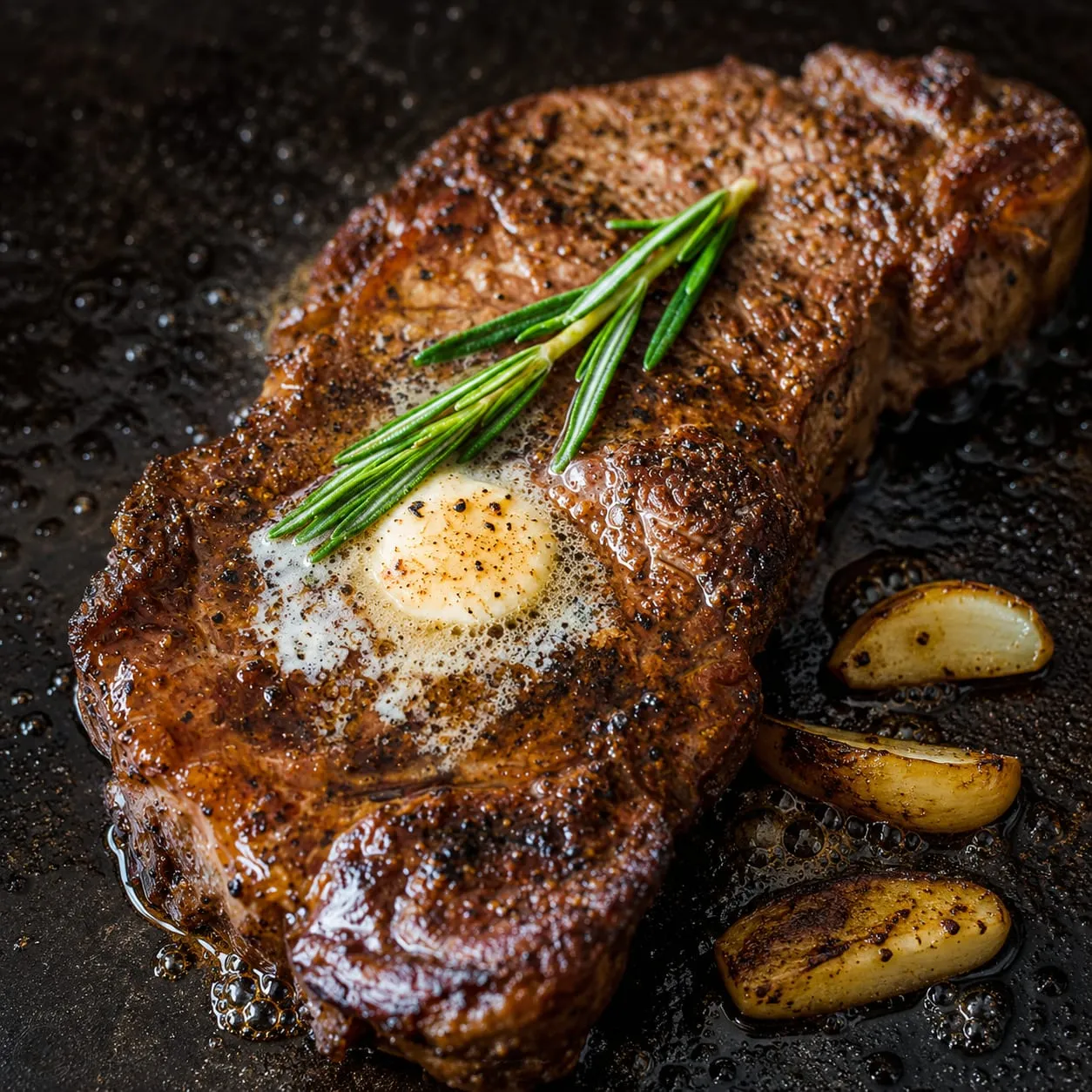
Best Blackstone Steak Recipes (Ribeye, Filet Mignon, Skirt, and More)
Every steak recipe on this site in one place: ribeye and strip, filet mignon, skirt steak with chimichurri, carne asada, fajitas, and steak bites, with the pull temp for each cut.
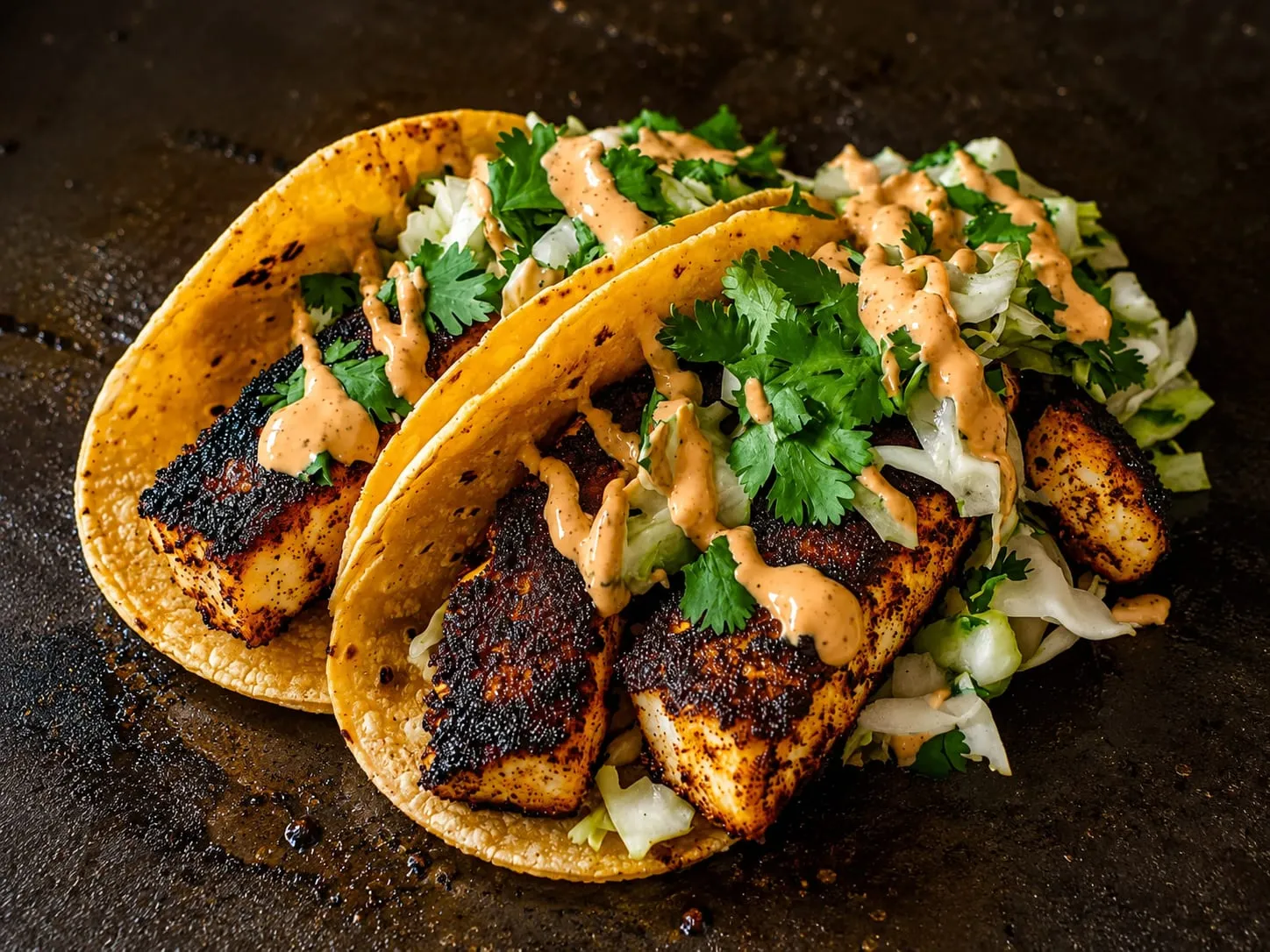
Gluten-Free Blackstone Recipes (30 Flat-Top Meals)
Gluten-free Blackstone recipes across proteins, tacos, vegetables, and sauces, plus the honest limitation of cooking gluten-free on a griddle that also cooks bread and buns.
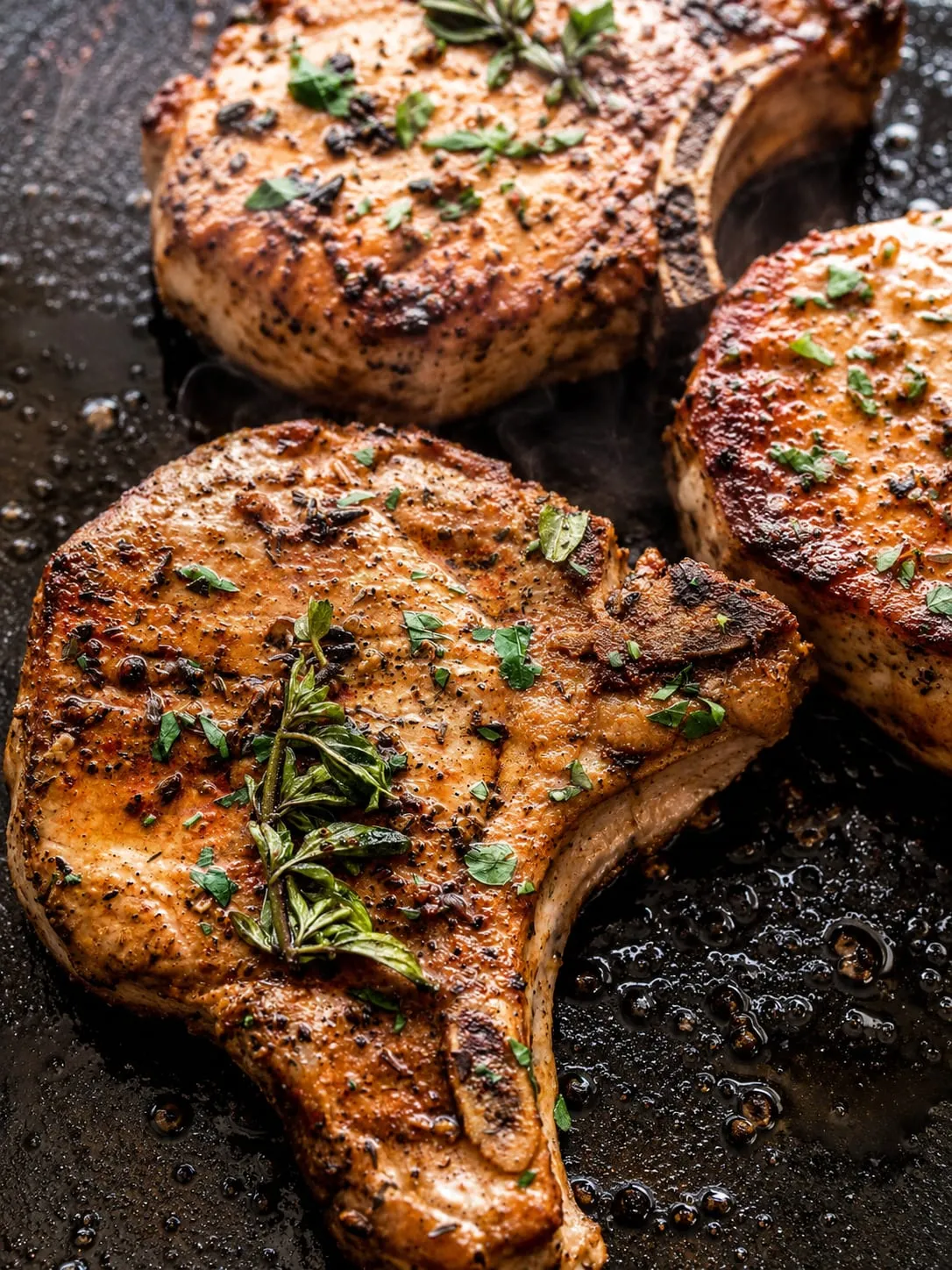
Best Blackstone Pork Recipes (Chops, Tenderloin, Brats, and More)
The best pork recipes for a Blackstone griddle: chops, tenderloin, bratwurst, and a pressed Cuban, plus the two internal temperatures that keep pork from drying out.