

How to Clean an Electric Griddle (Every Surface Type)
Keeping an electric griddle clean comes down to a few consistent habits: scrape while it’s warm, avoid submerging it in water, and never use metal scrubbers on a non-stick surface. The cleaning method varies slightly depending on whether your griddle surface is non-stick, cast iron, or stainless steel. Here’s the complete breakdown.
If you have a Blackstone E-Series electric griddle, this guide applies directly. See our full E-Series review for setup and performance details, or the Blackstone indoors guide for what makes electric models safe for kitchen use. For outdoor gas Blackstones, the Blackstone cleaning guide covers the different routine required for rolled steel surfaces.
What You Need
- Soft sponge or microfiber cloth
- Mild dish soap
- Plastic scraper or silicone spatula
- Paper towels
- Baking soda
- White vinegar
- Food-grade mineral oil (for non-coated or cast iron griddles)
Never use: steel wool, abrasive scrubbers, or harsh chemical cleaners, especially on non-stick surfaces, where they damage the coating permanently.
Step-by-Step Cleaning
1. Unplug and cool down
Always unplug the griddle first. Let it cool for 30-45 minutes before cleaning. Cleaning a hot non-stick surface can damage the coating.
2. Scrape off food and grease
While the griddle is still slightly warm (not hot), use a plastic scraper or silicone spatula to remove loose food particles and pooled grease. Work in a grid pattern so you cover the whole surface.
3. Wipe with soapy water
Dampen a soft sponge with warm, soapy water. Wipe down the entire cooking surface. Circular motions help lift embedded grease without pushing it around. Don’t flood the surface with water. Use a damp sponge, not a soaking one.
4. Handle stubborn residue
Mix baking soda and water into a paste (1:1 ratio). Apply it to stuck-on spots and let it sit for 5-10 minutes. The slightly alkaline paste loosens baked-on food without scratching. Scrub gently with a soft sponge or nylon brush.
For grease buildup, mix equal parts white vinegar and water. Apply to the greasy area, let it sit 5 minutes, then wipe clean. The acetic acid in vinegar cuts through grease effectively.
5. Rinse and dry completely
Wipe the griddle with a damp cloth to remove soap residue. Then dry thoroughly with paper towels or a microfiber cloth. Any remaining moisture can cause rust on cast iron or stainless surfaces.
6. Season if needed
Non-stick griddles don’t need seasoning. For cast iron or uncoated stainless surfaces, apply a very thin layer of food-grade mineral oil after drying. This protects the surface and improves performance over time.
Cleaning by Surface Type
Non-Stick Electric Griddles
Non-stick coatings are the most fragile. The only rule that matters: don’t scratch them.
- Use only soft sponges or microfiber cloths, never nylon or metal scrubbers
- Mild dish soap is fine; avoid anything abrasive
- For stuck-on food, the baking soda paste method works without scratching
- Never use cooking spray on non-stick. It leaves a residue that builds up and degrades the coating over time
Cast Iron Electric Griddles
Cast iron needs to stay dry to avoid rust and needs its seasoning maintained.
- Scrape off food while still warm
- Wash with hot water and a stiff nylon brush: minimal soap, since soap strips seasoning
- Dry immediately on the stovetop or with a clean cloth, never air dry
- Apply a thin coat of food-grade mineral oil after every cleaning
Stainless Steel Electric Griddles
Stainless is more durable than non-stick and easier to maintain than cast iron.
- Mild dish soap and a soft sponge handle most cleaning
- For heavy grease: white vinegar and water (1:1) applied to the surface, wiped clean after 5 minutes
- Polish with a microfiber cloth in the direction of the grain to prevent streaks
- For persistent staining: a non-abrasive stainless cleaner (Bar Keepers Friend works well)
Removing Burnt-On Food
For stubborn, carbonized residue:
- Soak the area with warm soapy water for 15-20 minutes to loosen it
- Apply the baking soda and water paste; let it sit for 15-20 minutes
- Scrub gently with a soft sponge or nylon brush
- Rinse and dry thoroughly
If the residue still won’t budge on a stainless or cast iron surface, a plastic griddle scraper applied at a low angle with firm pressure usually handles it. Don’t force it on non-stick.
Preventing Food from Sticking
- Preheat properly: 5-10 minutes before adding food. Cold surfaces cause sticking.
- Use enough oil: about 1 tablespoon per 12 inches of cooking surface for most foods.
- Don’t overcrowd: packed food traps steam and drops surface temperature, making food stick rather than sear.
- Clean while warm: wiping down after each use prevents buildup that requires scrubbing later.
Long-Term Maintenance
- Store the griddle covered in a dry location to prevent dust and moisture buildup
- Check the power cord periodically for fraying or cracking. Replace if you see damage
- Empty and clean the drip tray after every use to prevent grease buildup
- Re-season cast iron griddles every few months if they show any signs of sticking or surface dullness
Try these on your electric griddle: Blackstone Pancakes · Smash Burgers · Quesadillas
Shop Blackstone Cleaning Kit on Amazon
Frequently Asked Questions
How often should I clean my electric griddle?
After every use. A quick wipe-down while the griddle is still warm takes under 5 minutes and prevents buildup that later requires serious scrubbing. A deep clean with baking soda or vinegar only needs to happen when residue has already accumulated.
Can I submerge my electric griddle in water?
No. Electric griddles have heating elements and electrical connections that will be damaged by submersion. Always clean the cooking surface only, with a damp sponge rather than running water.
How do I remove rust from an electric griddle?
Mix equal parts salt and lemon juice to form a paste. Apply it to the rusty area, let it sit for 15-20 minutes, then scrub gently with a soft nylon brush. Rinse thoroughly, dry immediately, and re-season with food-grade mineral oil. Rust on electric griddles is usually a sign the griddle wasn’t dried completely after the last cleaning.
Can I use metal utensils on an electric griddle?
On non-stick surfaces: no. Metal scratches the coating and once the non-stick layer is compromised, it only degrades further. Use wooden, silicone, or heat-resistant plastic utensils on non-stick griddles. Stainless and cast iron surfaces can handle metal tools.
Can I put the removable plates in the dishwasher?
It depends on the model. Check your manufacturer’s instructions. Some removable non-stick plates are dishwasher safe; others aren’t. When in doubt, hand-wash to preserve the coating.
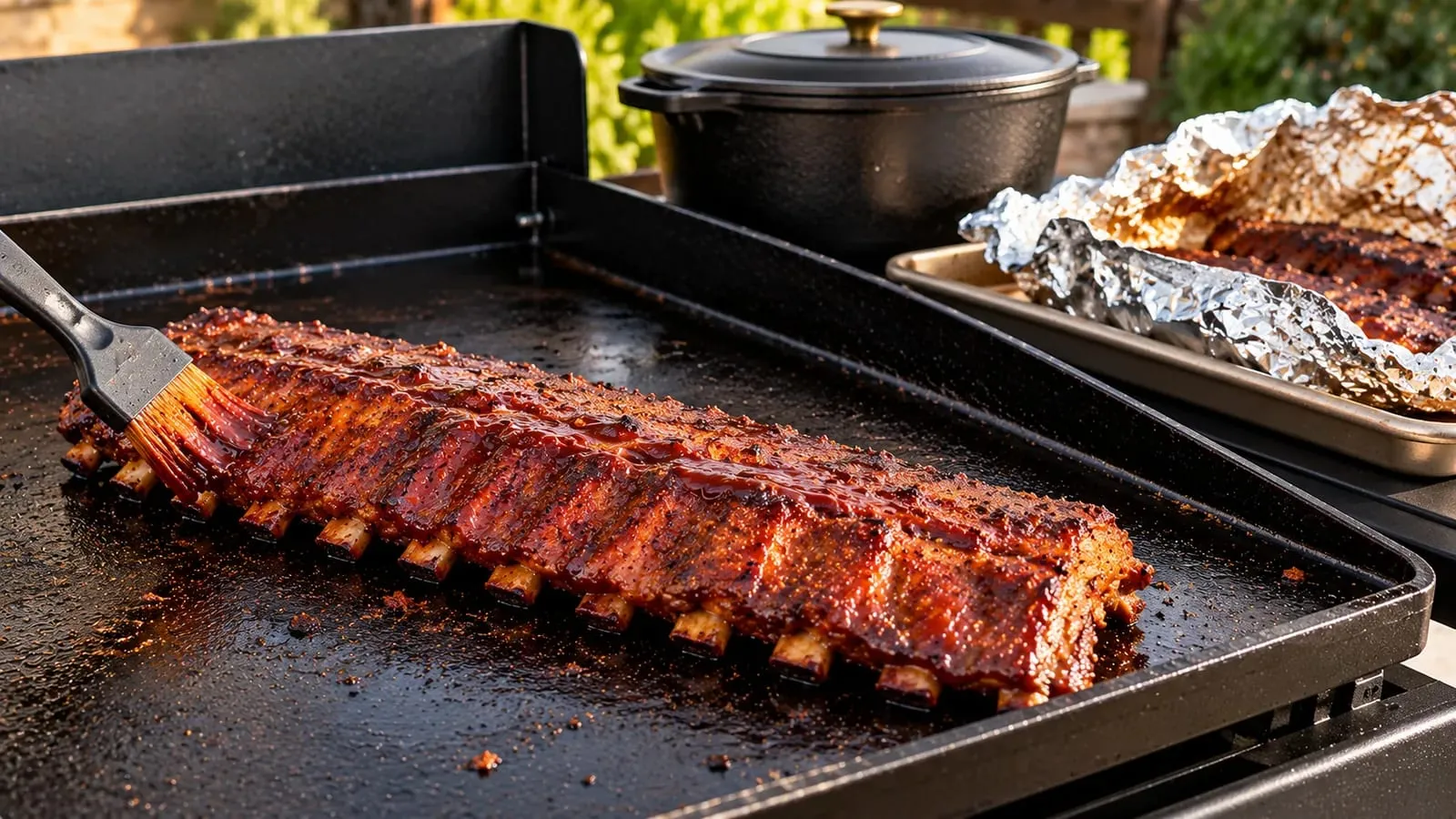
What Not to Cook on a Blackstone (and What to Do Instead)
What doesn't work on a Blackstone griddle: low-and-slow cuts, big roasts, anything that sits in liquid, and deep-fried food, plus how to split the cook so the griddle still does the part it's good at.
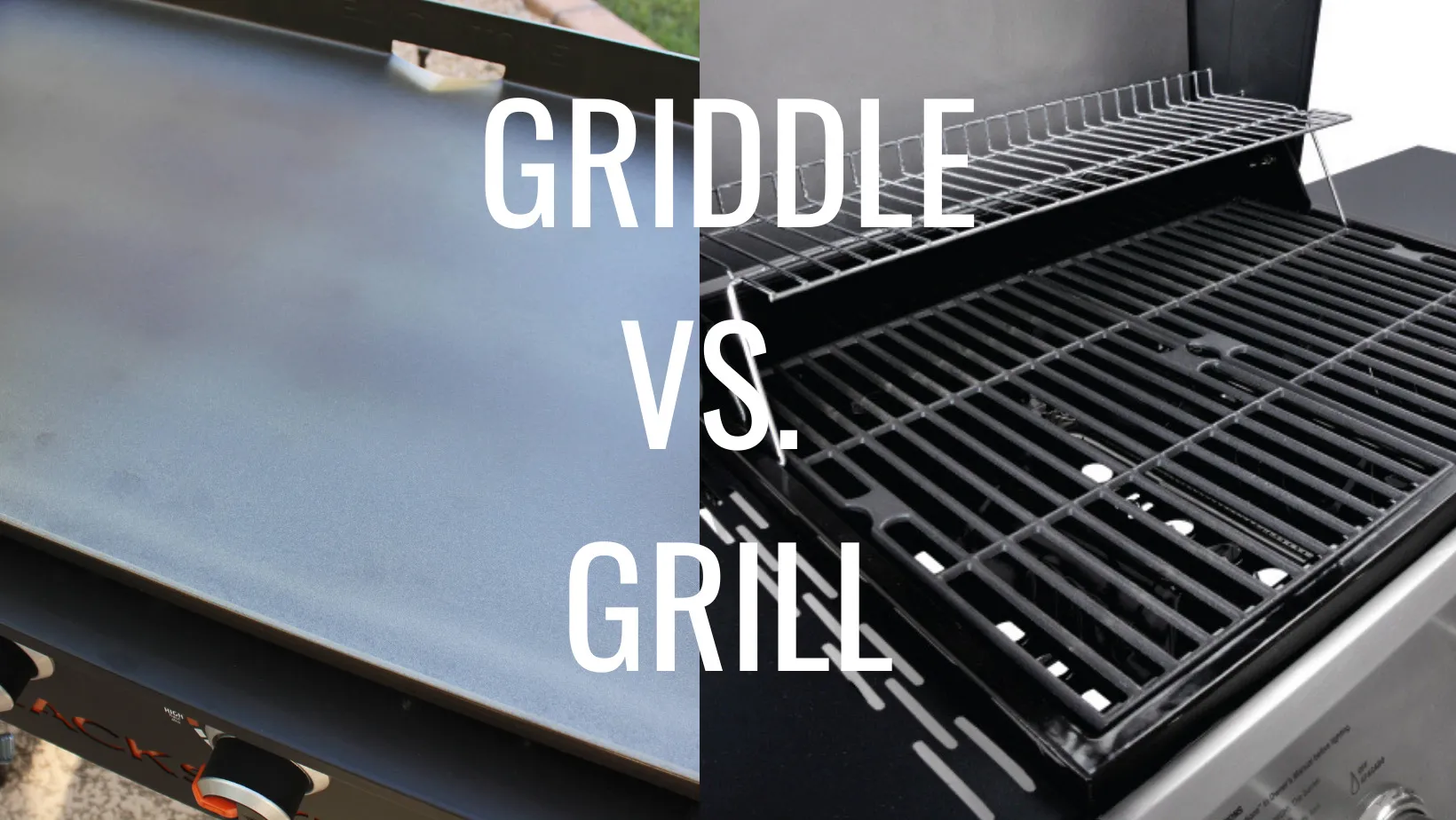
Griddle vs Grill: Which Should You Get?
Griddle vs grill: the real differences, which is healthier, whether a griddle is worth it if you already own a grill, and which wins for steaks and burgers.
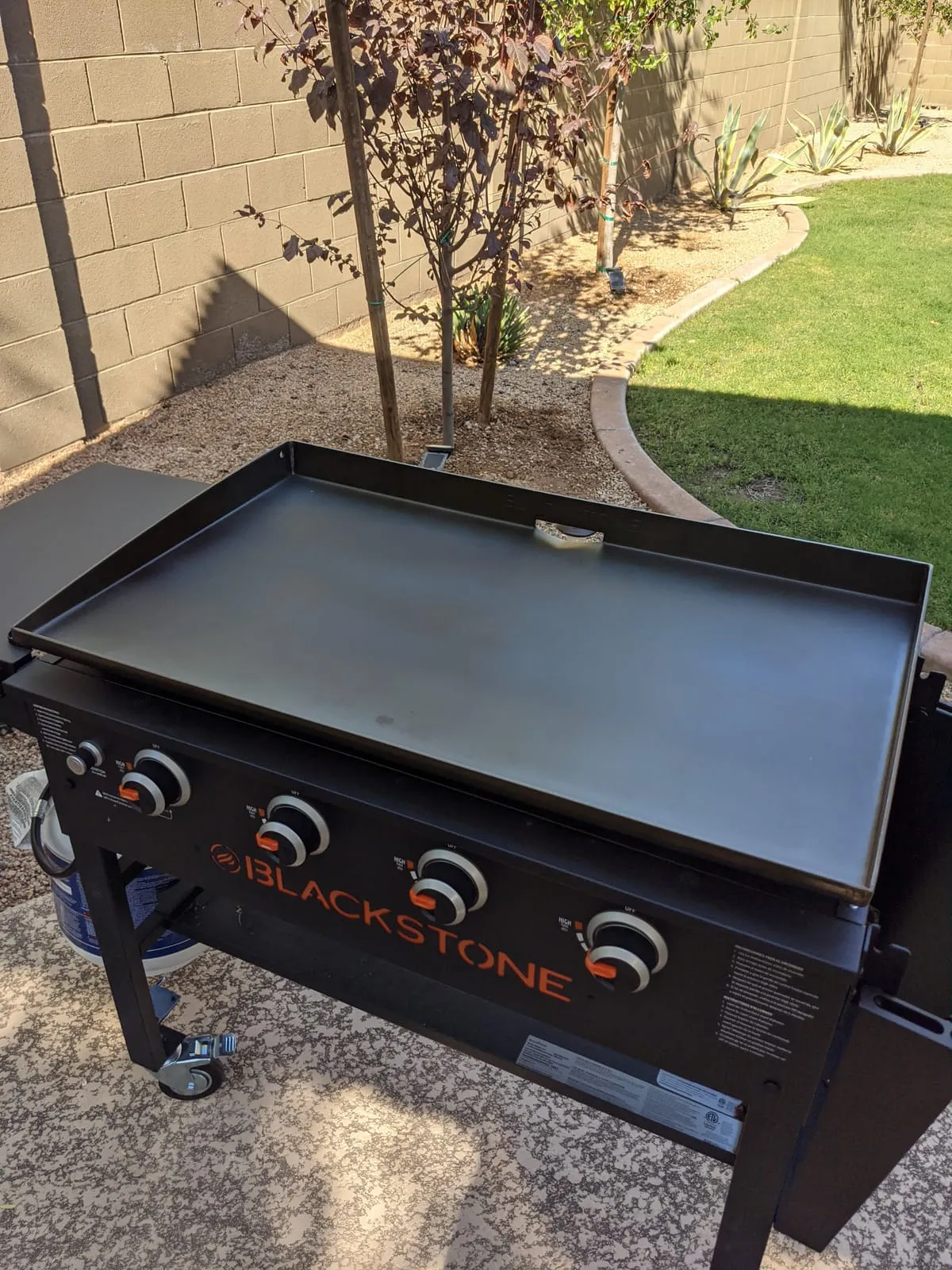
Why Is Everyone Selling Their Blackstone? An Honest Answer
Why is everyone selling their Blackstone? Mostly, they aren't. Here's the honest story, plus the real cons, lifespan, the Walmart price, and if it's worth it.