
Top 6 Food Prep Accessories for Gas Griddle Cooking (2026)
Flat-top griddle cooking is fast once you’re in front of the grill, but the time you spend prepping ingredients in the kitchen before you go out to the griddle determines how smooth the whole cook goes. Having the right prep tools (cutting boards, knives, scales for portioning, and containers to organize ingredients) makes the difference between a relaxed cook and a frantic one.
Here are the six best food prep accessories for griddle cooking, organized by category.
| Category | What to Get | Link |
|---|---|---|
| Cutting Boards & Knives | Large boards + quality blades | Amazon |
| Kitchen Scale | Portion proteins and measure batter | Amazon |
| Vegetable Chopper | Dice onions, peppers, and potatoes fast | Amazon |
| Meat Tenderizer | Thin and tenderize chicken and cutlets | Amazon |
| Prep & Serve Trays | Transport ingredients and cooked food | Amazon |
| Condiment Containers | Organize toppings and sauces | Amazon |
1. Cutting Boards & Knives
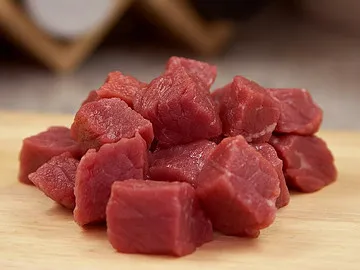
A large cutting board and a sharp chef’s knife are the foundational prep tools for any cook, griddle cooking included. Most griddle recipes involve significant knife work: dicing onions and peppers for stir fry, slicing chicken breasts, breaking down vegetables for hibachi, and preparing burger toppings.
What to look for:
- Cutting board: A large board (at least 12”x18”) gives you room to work with multiple ingredients without constantly clearing the surface. Plastic boards are dishwasher safe and easier to sanitize between raw proteins. Wood boards are better for blade longevity but require hand washing.
- Chef’s knife: An 8-inch chef’s knife handles most griddle prep tasks: dicing, mincing, slicing. It’s the single most useful kitchen knife you own.
- Boning knife: If you regularly prep chicken thighs, debone proteins, or trim fat, a flexible boning knife makes the work cleaner and faster.
Having a dedicated cutting board for raw proteins (separate from vegetables) is good food safety practice for griddle cooking where you’re often handling both before going outside to the grill.
2. Kitchen Scale
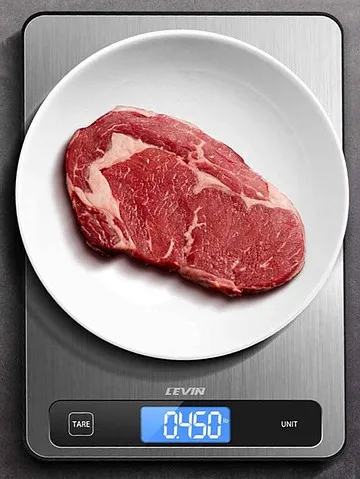
A kitchen scale is the most useful accuracy tool in griddle cooking. The two primary uses:
Portioning smash burgers: Consistent burger size comes from consistent ball weight. 2-oz balls for smash burgers, 3-4 oz for standard patties, weighed and ready before you go to the griddle. Without a scale, you’re eyeballing portions and getting inconsistent results.
Measuring batter by weight: Recipes for pancakes, crepes, and batters often specify ingredients by weight (grams) rather than cups, which gives more precise results. A scale lets you follow these recipes accurately.
What to look for: A digital scale that measures in grams and ounces, with a tare function so you can zero out the bowl weight. The Tare function is non-negotiable. You’ll use it constantly. Capacity of at least 5 lbs (2.5 kg) covers most griddle portioning tasks. A flat surface that’s easy to wipe clean is a practical advantage.
3. Vegetable Chopper
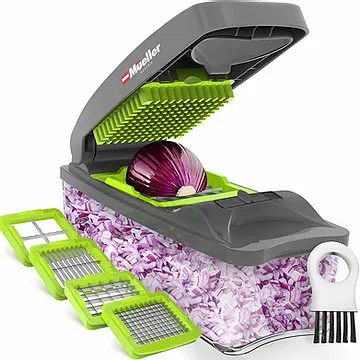
Griddle cooking relies heavily on diced vegetables (onions, bell peppers, potatoes, zucchini, mushrooms) and dicing them by hand is one of the slowest prep steps. A vegetable chopper presses produce through a grid of blades to produce uniform diced pieces in seconds rather than minutes.
The most common use case: onion dicing. Dicing a large onion by hand takes 2-3 minutes with good knife skills; a vegetable chopper does it in about 10 seconds with no tears from the onion fumes. For potatoes, a chopper produces uniform potato cubes that cook evenly on the griddle.
What to look for: Multiple grid sizes (fine dice and coarse dice) so you can prep different vegetables at different sizes. A collection container built into the bottom of the chopper saves the prep directly where you need it. Look for dishwasher-safe components. Cleanup is the main friction point with vegetable choppers.
The Fullstar Vegetable Chopper is a popular and well-reviewed option; see the Amazon search for current top-rated options in this category.
4. Meat Tenderizer
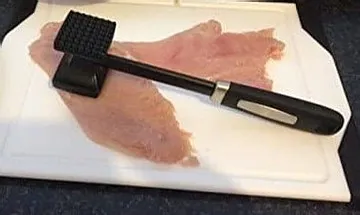
Flat-top griddles excel at cooking thin cuts of meat. Chicken cutlets, thin pork chops, and cutlet-style beef cook quickly and get a great crust on a hot griddle surface. A meat tenderizer (or meat mallet) is the tool that creates those thin cuts: pound a chicken breast flat to an even thickness, and it cooks faster and more evenly than a thick, uneven breast.
The two main uses for griddle prep:
Evening out thickness: Chicken breasts are naturally uneven: one end is much thicker than the other. Pounding creates uniform thickness so the whole breast cooks through at the same rate, eliminating the problem of overcooked thin parts and undercooked thick parts.
Cutlet preparation: Thin cutlets (chicken parm, chicken fried steak, schnitzel) require pounding to the right thinness before breading and cooking.
What to look for: A dual-head mallet with a flat side (for pounding thin) and a textured side (for tenderizing tough cuts). Weight around 1.5-2 lbs is practical, heavy enough to work efficiently, light enough to swing comfortably. Stainless steel or cast aluminum construction is easiest to clean.
5. Prep & Serve Trays
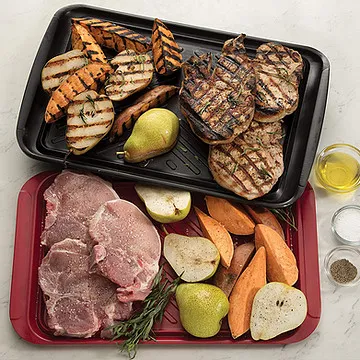
Transporting ingredients from the kitchen to the griddle (and carrying cooked food back) is a step that’s easy to underestimate. Without trays, you’re making multiple trips, balancing plates, or leaving things inside that should be at the grill.
Prep and serve trays solve this in both directions:
- Outbound: Carry all prepped ingredients (portioned meat, diced vegetables, sauces) from the kitchen to the griddle in one trip
- Inbound: Stack cooked food from the griddle to the table without plating everything individually at the grill
The Cuisinart CPK-200 tray set is a practical option, multiple trays that stack for storage. Look for trays with handles for carrying and stackable designs that don’t take up much storage space between uses.
6. Condiment Serving Containers
Condiment Containers on Amazon
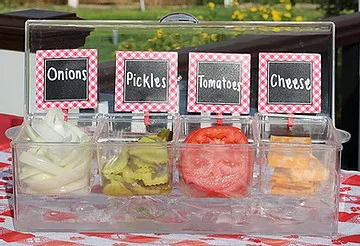
When you’re cooking for a group at the griddle, condiments and toppings need to be accessible and organized, at the grill, not inside. A condiment serving container holds multiple toppings (lettuce, tomato, onion, pickles, cheese, sauces) in individual compartments so guests can build their own burgers or sandwiches directly at the grill station.
The secondary use is for keeping prepped ingredients organized during cooking, diced onions in one section, peppers in another, aromatics in a third. Having everything visually separated at arm’s reach while you cook means you’re not juggling unmarked bowls or making trips inside for ingredients you forgot.
What to look for: A serving caddy with separate compartments, preferably with a handle for carrying. Plastic or stainless steel construction that’s easy to rinse between uses. Individual sections that are large enough to hold a meaningful amount of each topping without running out mid-cook.
Putting It Together: The Griddle Prep Workflow
The value of these accessories comes from the workflow they enable: do all prep inside before going to the grill, carry everything out in one trip, and cook without interruption.
A practical griddle prep workflow:
- Use the vegetable chopper to dice onions, peppers, and other vegetables
- Portion and weigh proteins on the kitchen scale
- Use the meat tenderizer to even out chicken thickness if needed
- Arrange all prepped ingredients in condiment containers or on prep trays
- Carry everything to the griddle in a single trip with the prep tray
- Cook without going back inside, everything is at the grill
The result is a cleaner, faster cooking experience where you can focus on the griddle instead of logistics.
Related: Must-Have Blackstone Accessories · Blackstone Meal Prep · Blackstone Griddle Caddy Review
Frequently Asked Questions
What cutting board is best for griddle meal prep?
A large plastic cutting board (at least 12”x18”) is the most practical choice, large enough to prep multiple ingredients at once, and dishwasher safe for sanitizing between raw proteins. Color-coded boards (one for meat, one for vegetables) are the best food safety practice. Wood boards are better for knife edges but require more maintenance.
Do you need a scale for griddle cooking?
Not strictly required, but a kitchen scale makes smash burgers significantly more consistent: weigh out 2-oz balls for thin patties, 3-oz balls for thicker ones, and every burger cooks identically. Scales are also useful for portioning batter for pancakes and crepes if you’re feeding a crowd and want consistent sizes.
What’s the best way to prep onions for griddle cooking?
A vegetable chopper reduces onion dicing from a 2-3 minute task to about 10 seconds and eliminates most of the fumes. For large quantities of diced onion (hibachi-style cooking, smash burger toppings), a chopper is a meaningful time saver. For sliced onions (thin ring-style), use a mandoline or chef’s knife.
How do you keep cooked food warm while finishing the rest on the griddle?
A warming zone: lower the griddle’s heat zone on one side to about 200-225°F and slide cooked food there while you finish the rest. For larger quantities, a covered prep tray can hold finished food while the last batch cooks. The Blackstone’s heat zone design makes this easy: run high heat on one half and a warm holding zone on the other.
Should you prep ingredients the night before a big griddle cookout?
Yes. For large group cooking (hibachi night, burger cookout), prep the night before and store everything in containers in the refrigerator. Proteins can be portioned and marinated. Vegetables can be chopped. Sauces can be made. The day of the cook, you pull everything from the fridge, arrange in trays and condiment containers, and go straight to the griddle.
Best Blackstone Steak Recipes (Ribeye, Filet Mignon, Skirt, and More)
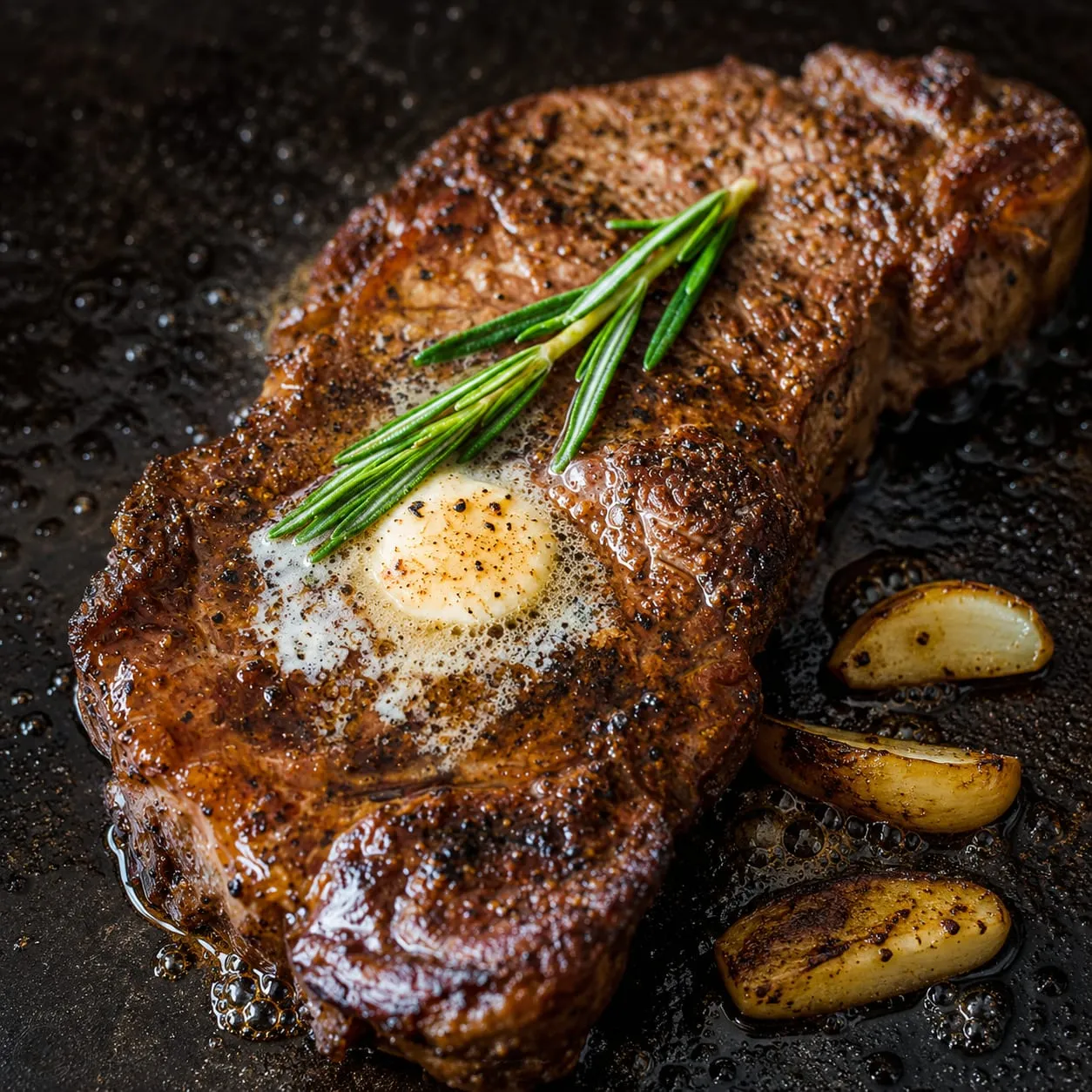
Every steak recipe on this site in one place: ribeye and strip, filet mignon, skirt steak with chimichurri, carne asada, fajitas, and steak bites, with the pull temp for each cut.
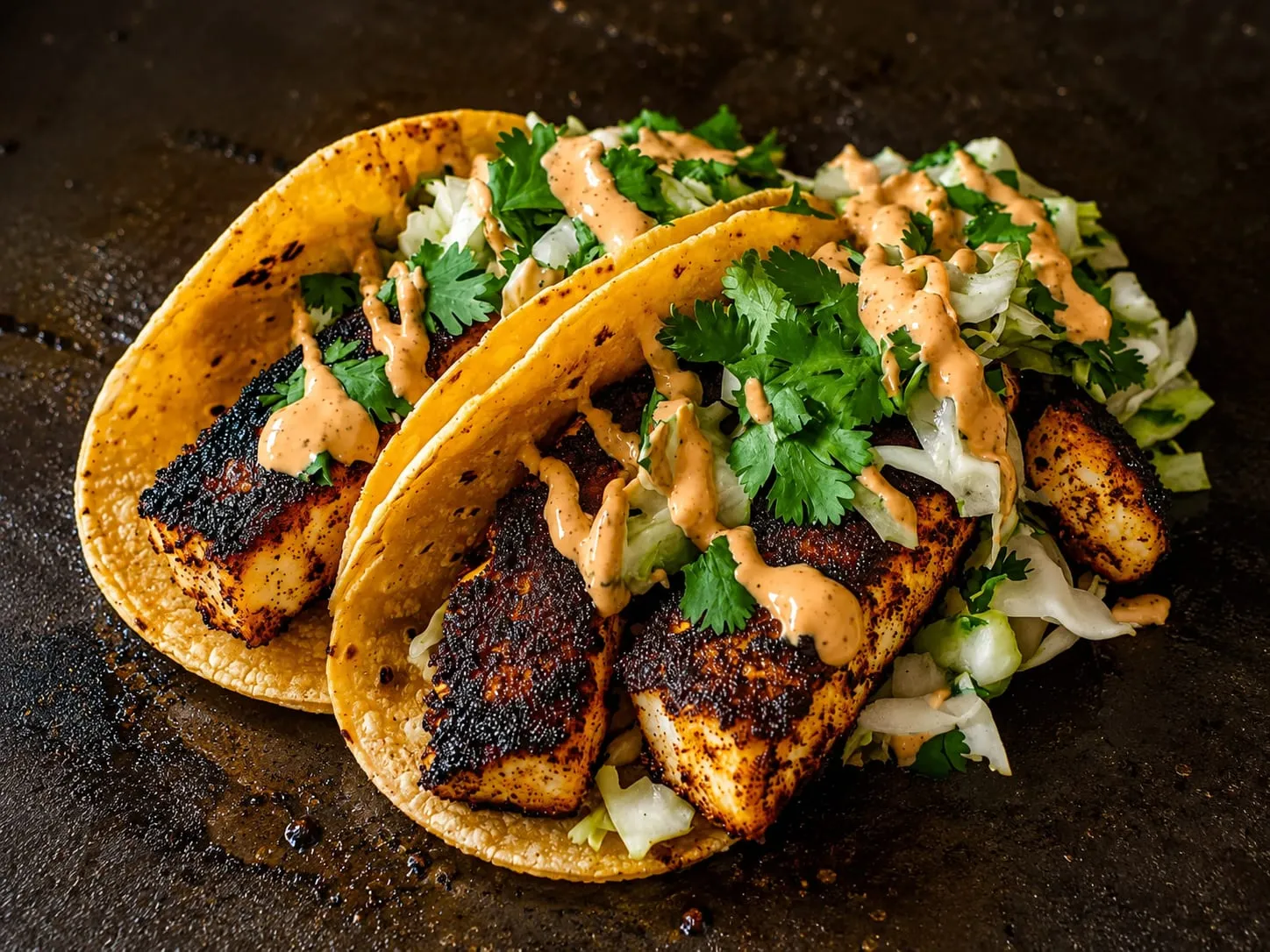
Gluten-Free Blackstone Recipes (30 Flat-Top Meals)
Gluten-free Blackstone recipes across proteins, tacos, vegetables, and sauces, plus the honest limitation of cooking gluten-free on a griddle that also cooks bread and buns.
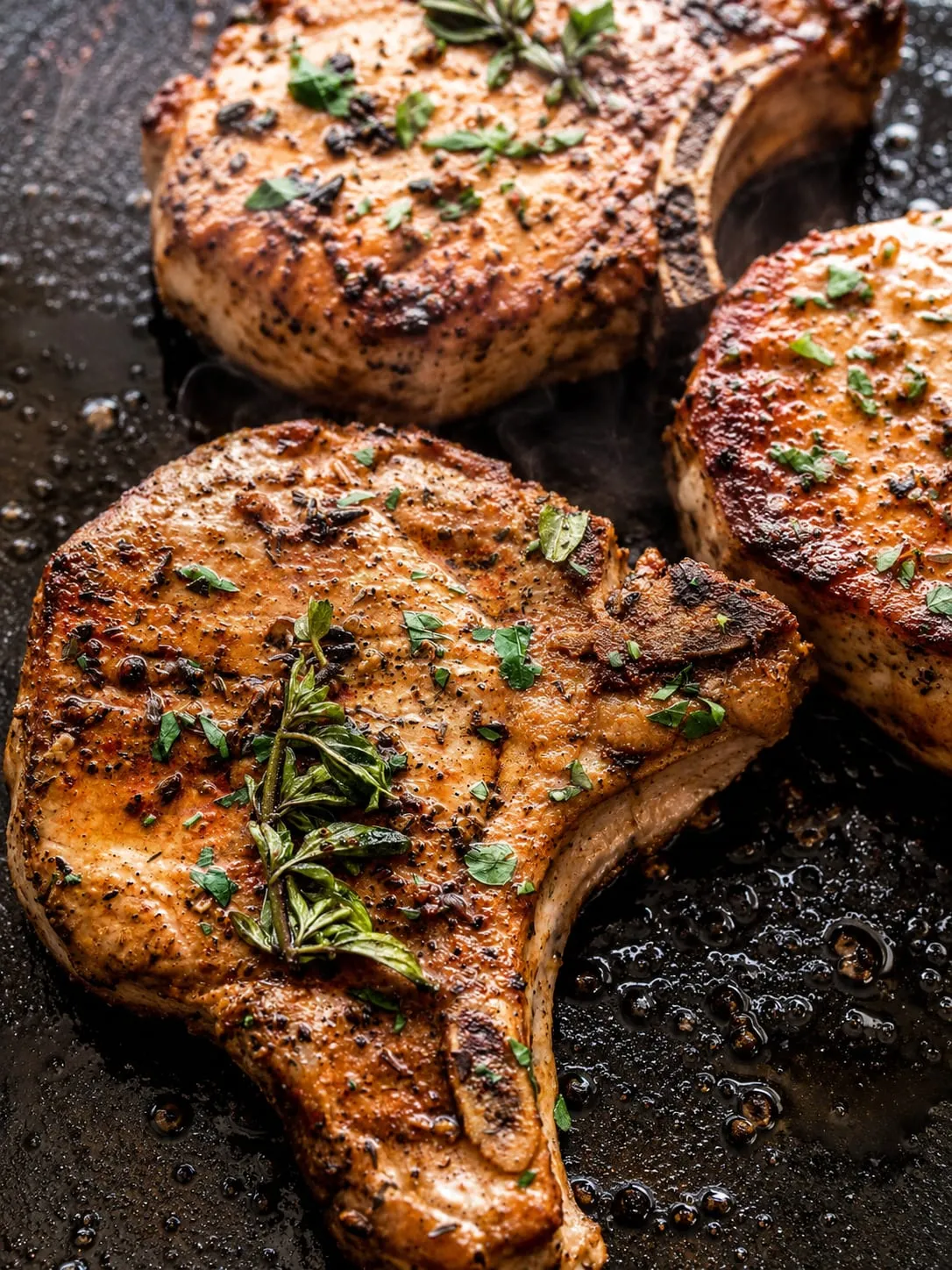
Best Blackstone Pork Recipes (Chops, Tenderloin, Brats, and More)
The best pork recipes for a Blackstone griddle: chops, tenderloin, bratwurst, and a pressed Cuban, plus the two internal temperatures that keep pork from drying out.