
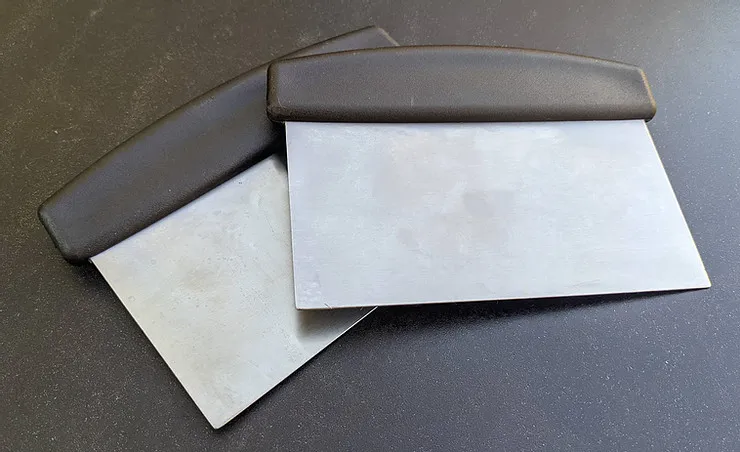
Best Griddle Scrapers for Flat-Top Grills (2026)
A griddle scraper is the most-used tool in flat-top cooking. You’ll reach for it to push food across the surface, scrape stuck-on bits between cooks, corral grease toward the drip tray, and clean the surface at the end of every session. The right scraper has a blade wide enough for your griddle, a handle long enough to protect your hand from the heat, and enough stiffness to bite into stuck-on food without flexing.
Here are the five best griddle scrapers for Blackstone and flat-top cooking, plus what to look for before you buy.
| Scraper | Best For | Blade Width | Link |
|---|---|---|---|
| FryOilSaver 90018 | Best Overall | 5.5 in | Amazon |
| Cuisinart CCB-500 | Best Ergonomics | 6 in | Amazon |
| New Star 38309 | Best Budget | 4 in | Amazon |
| Cuisinart CCB-999 | Most Versatile | 6.5 in | Amazon |
| Blackstone 5028 Kit | Best Kit | 4 in | Amazon |
Top 5 Griddle Scrapers
#1 FryOilSaver Commercial Griddle Scraper 90018: Best Overall
The FryOilSaver 90018 is the most capable griddle scraper on this list. At 15.5 inches total length, your hand sits a full arm’s-length from the griddle surface, important when you’re scraping at 500°F+. The 5.5-inch wide blade covers more surface per pass than most competitors. The standout feature is the replaceable blade system: when the edge dulls, swap in a new blade instead of buying a whole new scraper. Heavy-duty commercial stainless construction.
Pros:
- 15.5” handle keeps hands well away from heat
- 5.5” wide blade covers more surface area per pass
- Replaceable blade system extends the scraper’s life
- Commercial-grade stainless steel
Cons:
- Bulkier than compact options, takes more storage space
- No two-handed grip for those who prefer that style
#2 Cuisinart CCB-500 Griddle Scraper: Best Ergonomics
The Cuisinart CCB-500 is the most ergonomically refined scraper here. At 16.5 inches with a full two-handed grip, it gives you the most clearance from the heat. The 6-inch blade covers a wide swath per pass, and the built-in splash guard deflects hot grease kickback when you’re aggressively working a loaded griddle surface. Ideal for cooks who prioritize control and safety during long cleaning sessions.
Pros:
- 16.5” is the longest handle on this list
- Two-handed grip reduces hand fatigue during extended cleaning
- Built-in splash guard protects against grease kickback
- 6” blade for wide coverage per pass
Cons:
- Two-handed design feels awkward for one-handed cooking tasks
- Larger footprint requires more storage space
#3 New Star Foodservice 38309 Griddle Scraper: Best Budget
The New Star 38309 is a no-frills commercial-style scraper that gets the job done at a fraction of the price of the others on this list. The compact 8-inch length with a riveted wood handle keeps things simple. The 4x4-inch blade is smaller than the competition but effective for routine cleaning, especially on 28-inch and smaller griddles. Commercial-grade stainless steel construction that outlasts cheap budget options. Best choice if you need a dependable scraper without spending much.
Pros:
- Much lower price than the competition
- Commercial-grade stainless steel construction
- Compact size, stores easily in a drawer or tool bag
- Riveted wood handle for a solid grip
Cons:
- 8” total length puts your hand closer to the surface
- Smaller 4x4” blade requires more passes to cover a large griddle
- No replaceable blade option
#4 Cuisinart CCB-999 Multi-Use Scraper: Most Versatile
The Cuisinart CCB-999 is designed as a 3-in-1 tool: scraper, chopper, and food server. The 11x6.5-inch blade is the largest on this list, effective for pushing and scooping large amounts of food across the griddle, dividing proteins, or serving directly off the surface. The dual-sided edge (one sharp side for chopping, one blunt for scraping) makes it genuinely more versatile than a standard scraper. If you want one tool that goes beyond just cleaning, this is it.
Pros:
- Largest blade on the list at 11”x6.5”
- Dual-sided edge: sharp for chopping, blunt for scraping
- Doubles as a food server for direct-from-griddle plating
- Stainless steel with riveted handle
Cons:
- Heavier than single-purpose scrapers, more fatiguing for extended cleaning
- Dedicated scrapers outperform it for aggressive stuck-on debris
#5 Blackstone 5028 Griddle Cleaning Kit: Best Kit
The Blackstone 5028 kit gives you two scrapers at once: a 9.5-inch version for detail work and corners, and an 11-inch version for cleaning the main cooking surface. Built specifically for Blackstone griddles: the dimensions fit the cooking surface and grease trap placement on Blackstone models. If you own a Blackstone and want a kit that was designed for your exact setup, this is the convenient buy.
Pros:
- Two scrapers at different sizes for different tasks
- Designed specifically to fit Blackstone griddle dimensions
- Good value for two scrapers in one purchase
- Stainless steel blades
Cons:
- Smaller blades than the FryOilSaver or Cuisinart options
- Shorter handles, hand stays closer to the surface than the top picks
What to Look for in a Griddle Scraper
Blade Width
A wider blade (5-7 inches) covers more surface area per pass, important on a large 36-inch Blackstone where you’re cleaning hundreds of square inches. A narrower blade (3-4 inches) is easier to control for detail work and tight spots. For a primary cleaning scraper on a large griddle, aim for at least 5 inches wide.
Handle Length
The longer the handle, the further your hand stays from a hot griddle surface. A 15-17 inch handle gives you comfortable clearance from the heat; anything under 10 inches puts your hand close enough to feel it during heavy cleaning. If you regularly cook at high heat (above 450°F), handle length is a priority. Look at the CCB-500 or FryOilSaver.
Replaceable vs. Fixed Blade
The FryOilSaver’s replaceable blade system is a genuine long-term advantage: edges wear down over time, and swapping in a new blade extends the life of the scraper rather than requiring a full replacement. Fixed-blade scrapers are simpler and usually cheaper upfront, but you’ll replace the whole unit when the edge dulls.
One-Handed vs. Two-Handed Grip
Most scrapers use a single-grip handle, versatile for both cooking (moving food) and cleaning. The Cuisinart CCB-500’s two-handed design is better for aggressive cleaning sessions where you need sustained downward pressure. If you use your scraper during active cooking as well as cleanup, single-grip is more natural.
Final Thoughts
The FryOilSaver 90018 is the best all-around griddle scraper: the replaceable blade system alone justifies the price, and the extra handle length matters when working a hot griddle. If ergonomics and heat clearance are the priority, the Cuisinart CCB-500 wins on handle length and safety. On a tight budget, the New Star 38309 is reliable commercial-grade construction that handles routine cleaning without extras. Blackstone owners will find the 5028 kit a convenient fit for their setup.
Related: How to Clean a Blackstone Griddle · Must-Have Blackstone Accessories · Best Griddle Spatula
Frequently Asked Questions
When should you scrape your griddle during cooking?
Scrape between batches to clear the surface: after removing bacon before adding eggs, between different proteins, or any time you see carbonized bits building up. You don’t need to deep-clean between every item, but a quick scrape to a clean surface keeps food from picking up off-flavors from burnt residue.
What’s the difference between a griddle scraper and a spatula?
A spatula is for moving and flipping food during cooking, designed for precision and getting under delicate items. A scraper is for cleaning and clearing the surface: it has a thicker, stiffer blade built to dislodge stuck-on food and push debris to the grease trap. Some tools bridge both uses, but purpose-built scrapers outperform spatulas for cleaning work.
How do you use a griddle scraper properly?
Hold the scraper at a low angle (15-30 degrees from the surface) and push forward with moderate pressure. Work in sections, pushing debris toward the back edge where the grease trap is. Finish with a thin coat of oil to protect the surface. Too steep an angle digs into the surface; too flat and you skim over debris without catching it.
Should you scrape a griddle while it’s hot or cold?
Hot, for routine cleaning between cooks. Heat keeps debris loose and easier to push off. At the end of a cook session, scrape while still warm (not blazing hot), add a thin oil coat, then let it cool completely. Never pour cold water on a hot griddle to loosen debris. The thermal shock can warp the steel surface.
How often should you replace a griddle scraper blade?
Replace when the edge develops chips or significant wear that causes it to skip over debris instead of cutting through it. With a fixed-blade scraper, inspect it each season and replace the whole tool when the edge degrades. With a replaceable blade system like the FryOilSaver, you swap just the blade. Replacement blades are available from the manufacturer.
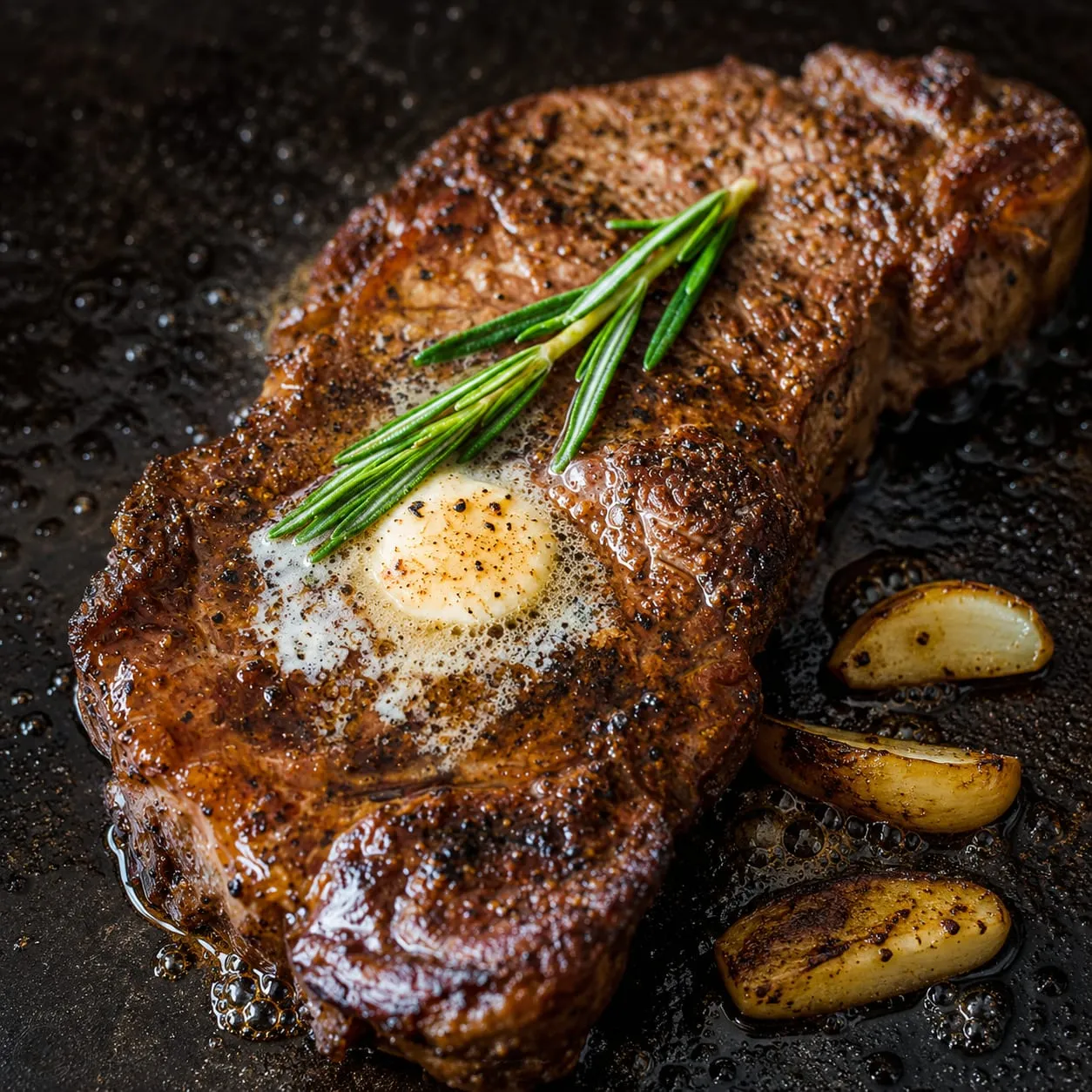
Best Blackstone Steak Recipes (Ribeye, Filet Mignon, Skirt, and More)
Every steak recipe on this site in one place: ribeye and strip, filet mignon, skirt steak with chimichurri, carne asada, fajitas, and steak bites, with the pull temp for each cut.
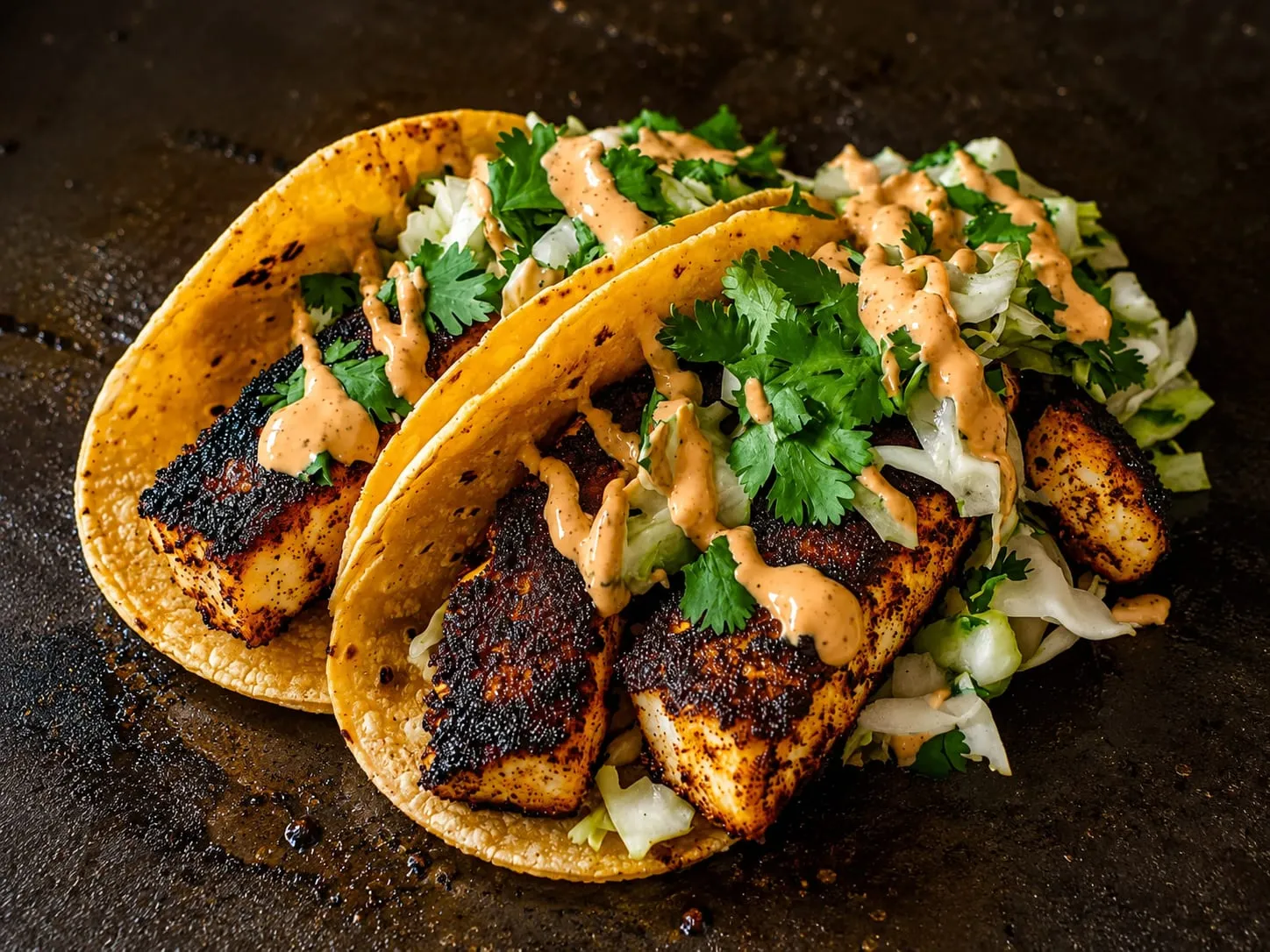
Gluten-Free Blackstone Recipes (30 Flat-Top Meals)
Gluten-free Blackstone recipes across proteins, tacos, vegetables, and sauces, plus the honest limitation of cooking gluten-free on a griddle that also cooks bread and buns.
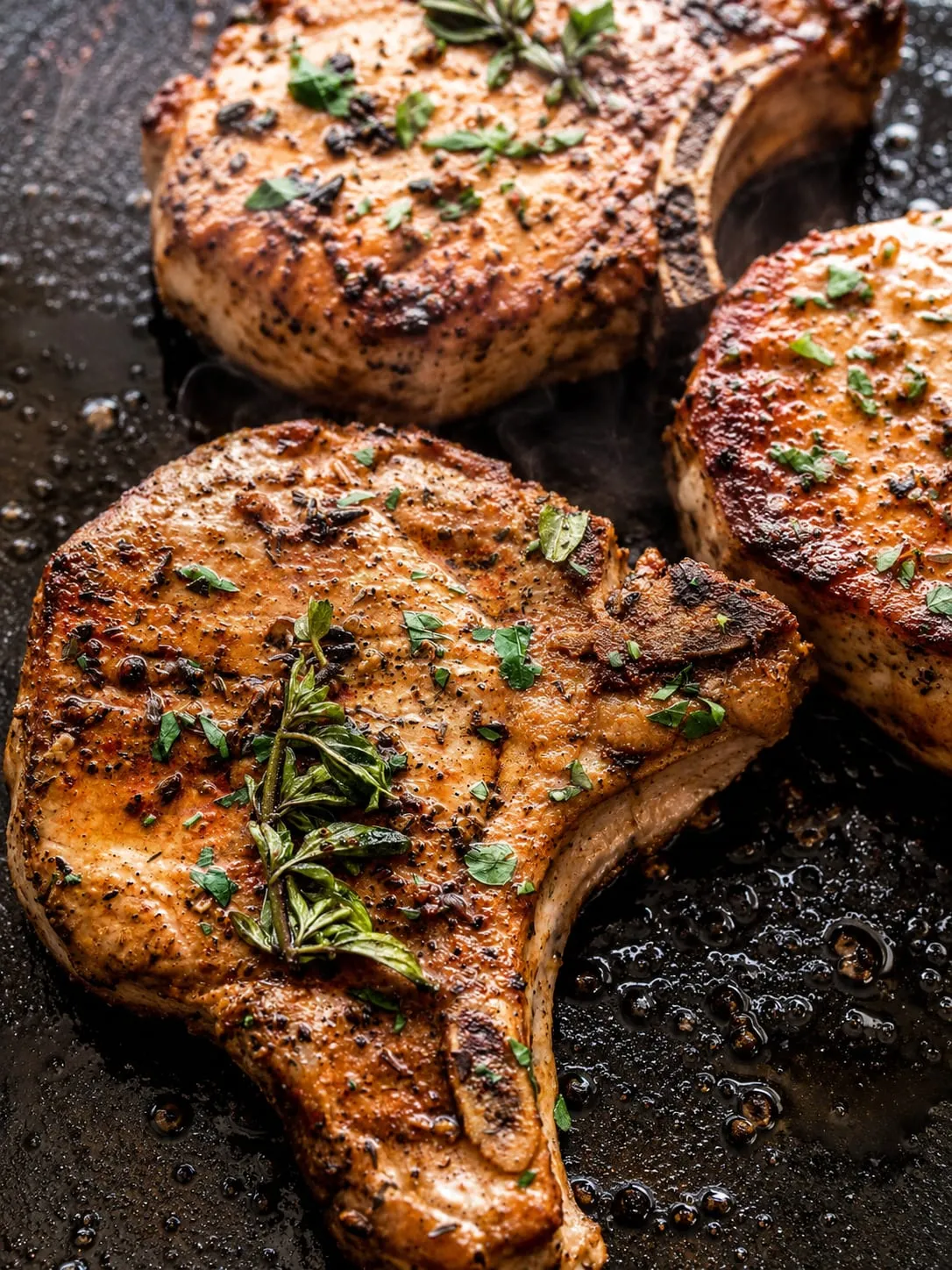
Best Blackstone Pork Recipes (Chops, Tenderloin, Brats, and More)
The best pork recipes for a Blackstone griddle: chops, tenderloin, bratwurst, and a pressed Cuban, plus the two internal temperatures that keep pork from drying out.