
Best Blackstone Pork Recipes (Chops, Tenderloin, Brats, and More)
Pork is the protein people most often ruin, and almost always for the same reason: they cook it to a temperature that stopped being the guidance in 2011. Get the number right and a griddle pork chop is as good as anything you can cook on a flat top.
Below are the seven pork recipes on this site, but read the temperature section first. It is the difference between a juicy chop and the dry one you remember from childhood.
The Two Pork Temperatures That Matter
Pork has two different safe temperatures depending on the cut, and mixing them up is what dries pork out.
Whole cuts, 145°F. Chops, tenderloin, and roasts are done at 145°F followed by a three minute rest. The USDA lowered this from 160°F in 2011, and a chop pulled at 145°F is still faintly pink in the center. That is correct, not undercooked.
Ground pork and sausage, 160°F. Bratwurst, Italian sausage, and any ground pork go to 160°F. Grinding distributes any surface bacteria through the meat, which is why the number is higher than for a whole cut.
Pull early and let it rest. On a griddle, carryover keeps cooking the meat after it comes off. Pulling a chop at about 140°F and resting it lands you at 145°F. Waiting until the thermometer reads 145°F on the steel means eating it at 150°F or higher.
That single distinction covers most pork failures. An instant-read thermometer is the only way to use it.
Whole Cuts
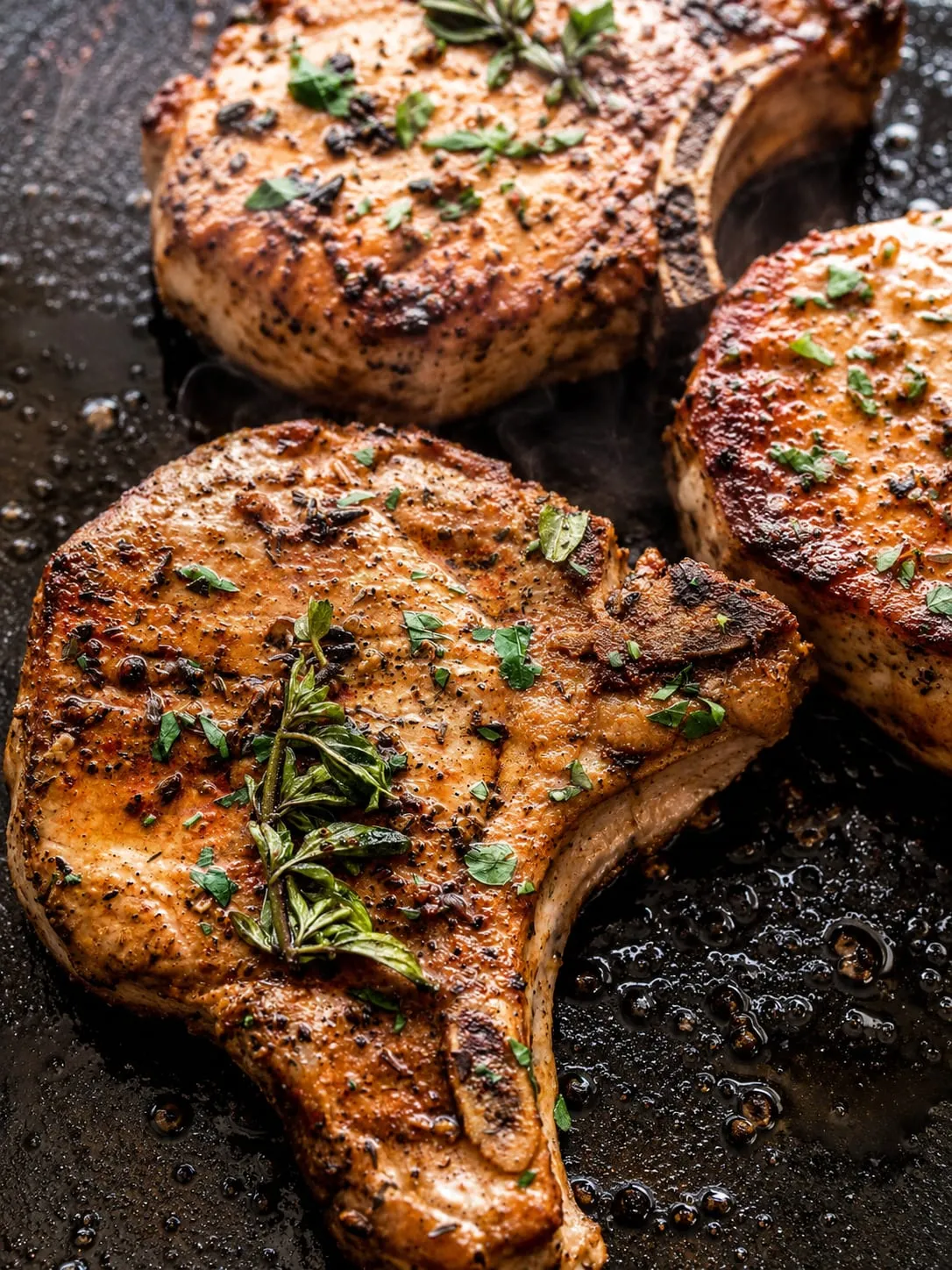
1. Pork Chops
Thick chops, at least an inch, brined and seared hard for a deep crust. The recipe covers a simple seasoned chop, a garlic herb version, and a honey mustard glaze.
Temperature: pull at 145°F and rest 5 minutes. Thin chops are the other common failure, since they overcook before a crust forms.
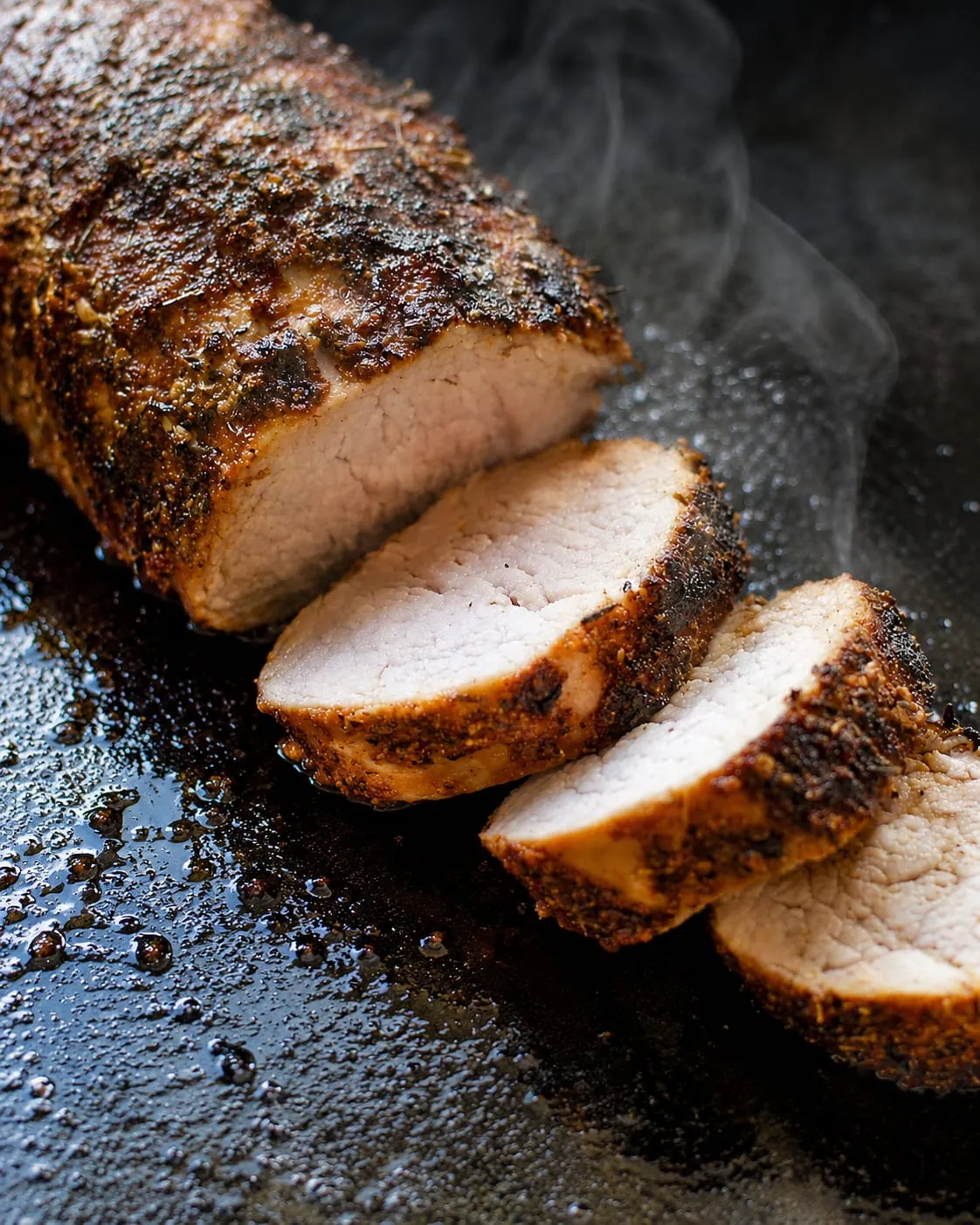
2. Pork Tenderloin
The leanest cut here, which makes it the least forgiving. Seared on all sides on the flat top, then rested and sliced.
Temperature: 145°F, and this is the cut where overcooking shows fastest because there is almost no fat to hide it.
Sausage and Ground Pork
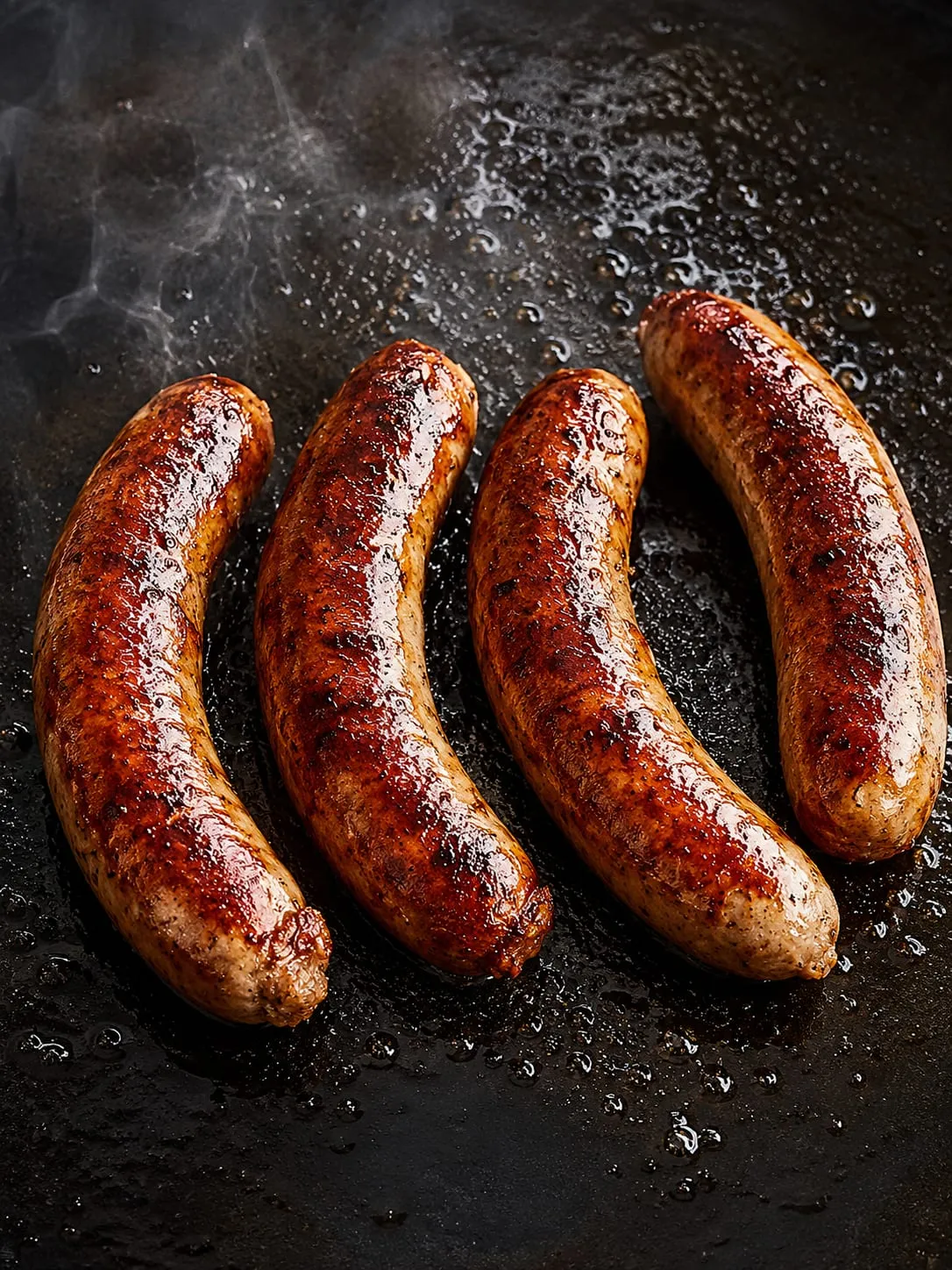
3. Bratwurst
A beer bath then a hard griddle sear, with onions caramelizing on the same surface. The two-stage method is what keeps the casing from splitting.
Temperature: 160°F for pork bratwurst.
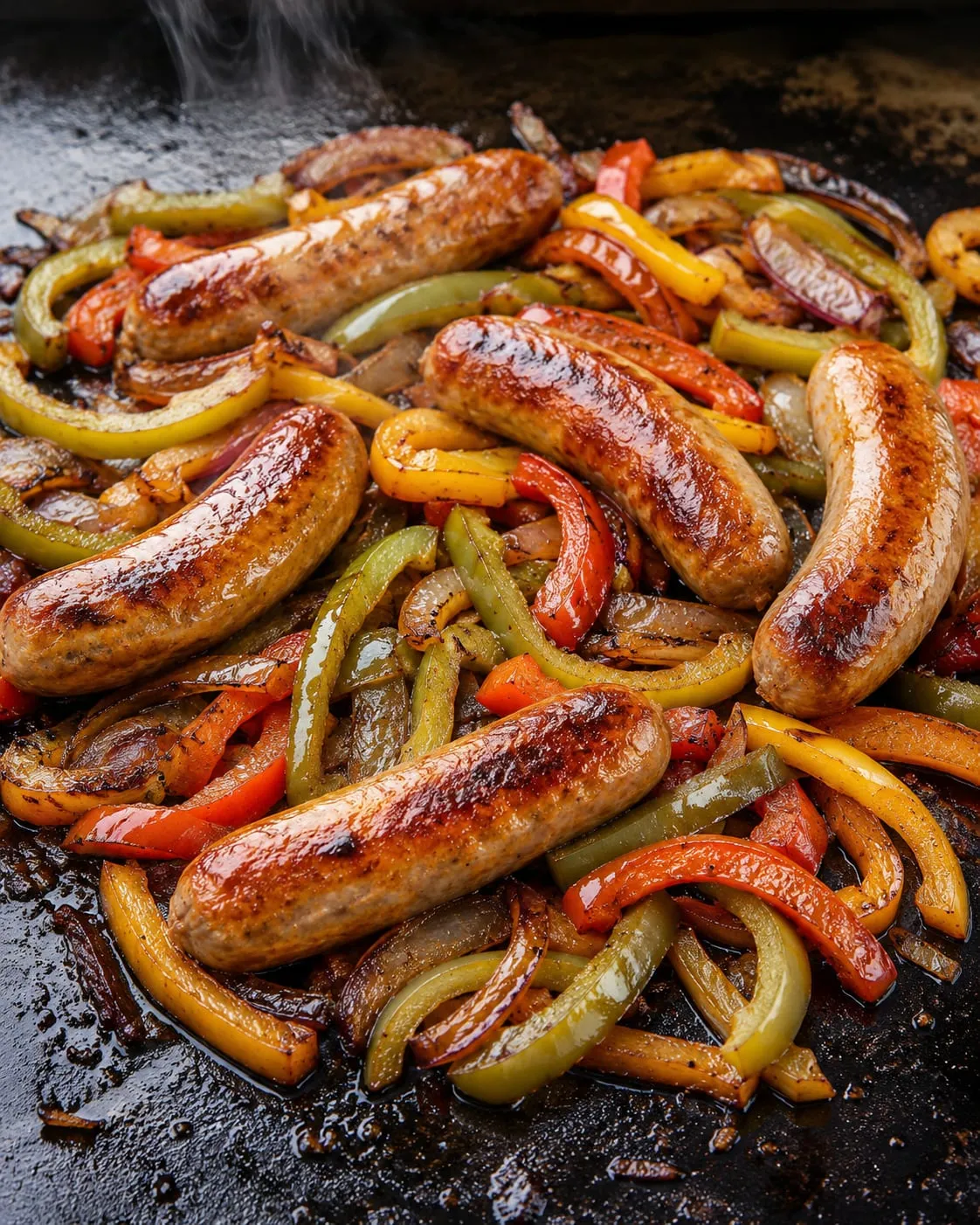
4. Sausage and Peppers
Italian sausage with peppers and onions, everything on one surface. The sausage renders fat that the vegetables then cook in, which is the whole point of doing it on a flat top.
Temperature: 160°F for the sausage.
Full sausage and peppers recipe →
5. Egg Roll in a Bowl
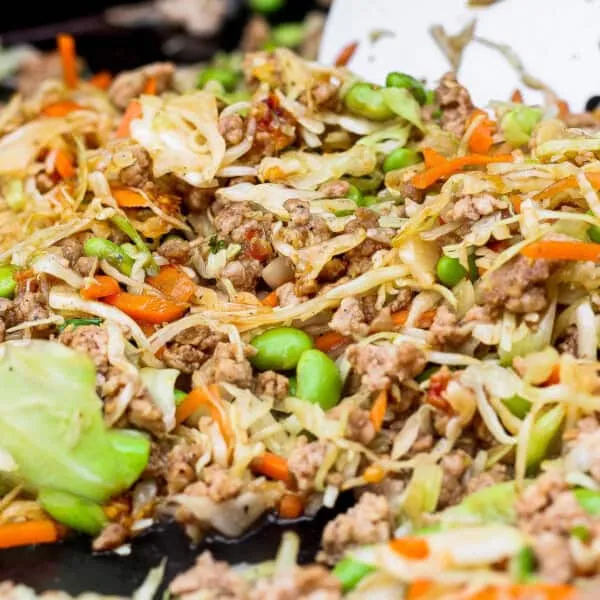
Ground pork and cabbage with egg roll seasoning and no wrapper. A full dinner in one pass and the fastest pork dish here.
Full egg roll in a bowl recipe →
Bacon and Sandwiches
6. Bacon
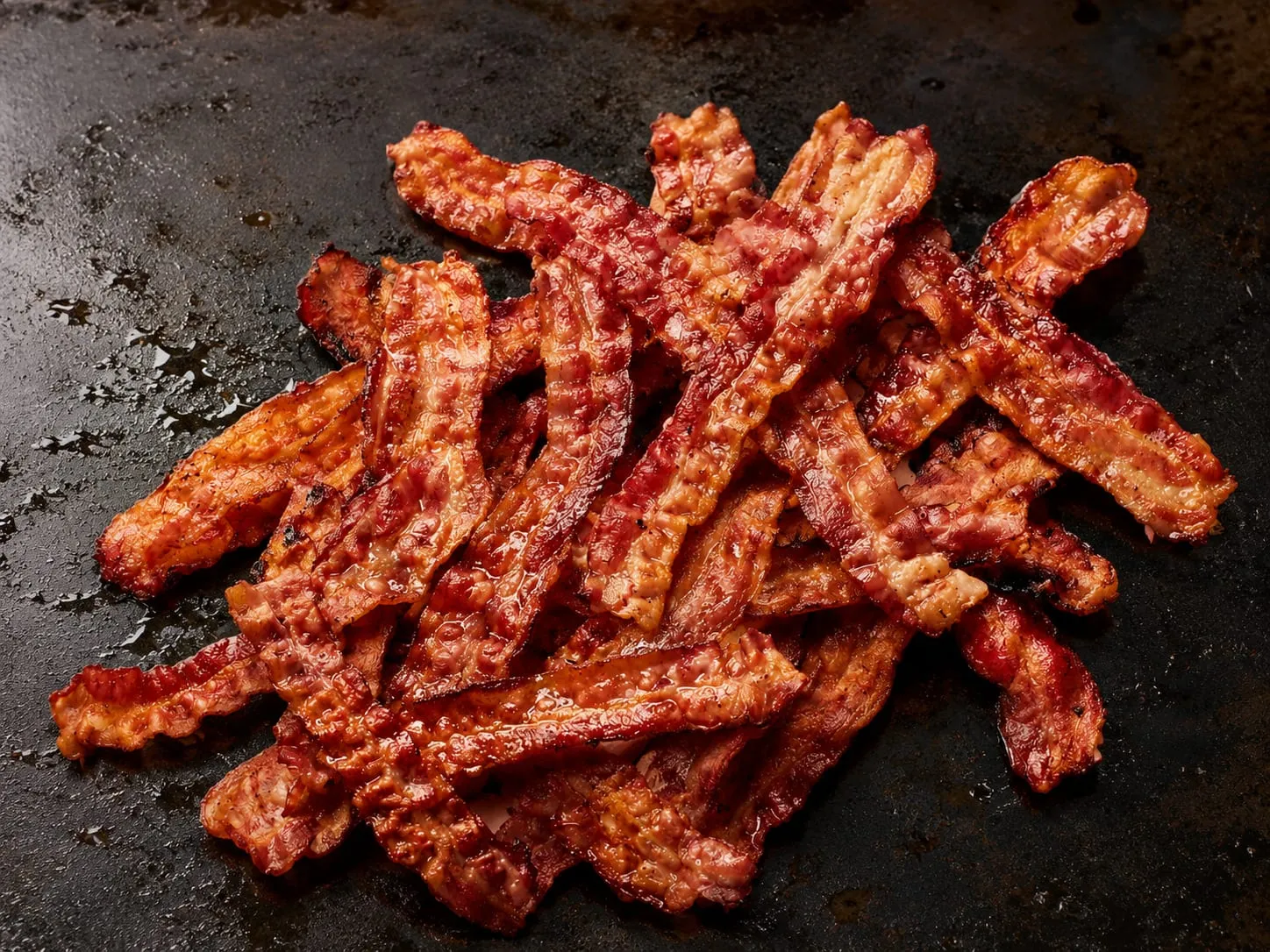
Flat, even, and crisp edge to edge with no curling, and the rendered fat becomes the cooking fat for whatever goes on next. The most practical reason to own a flat top for breakfast.
7. Cuban Sandwich
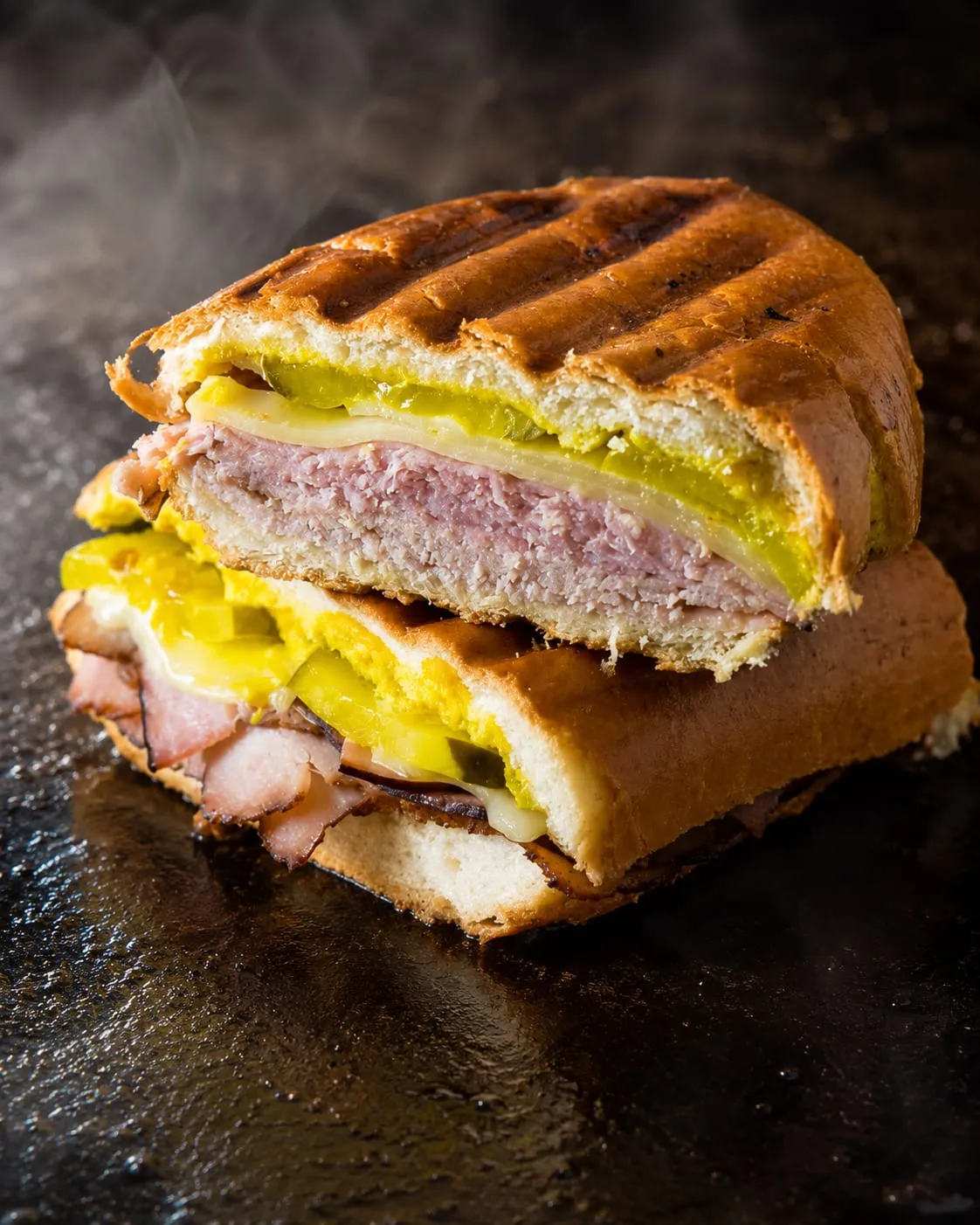
Roast pork and ham with Swiss, pickles, and mustard, pressed flat until the outside crisps and the inside heats through. Two pork products in one sandwich, and the griddle presses it better than a pan because you can watch the whole surface brown.
Tacos
8. Tacos al Pastor
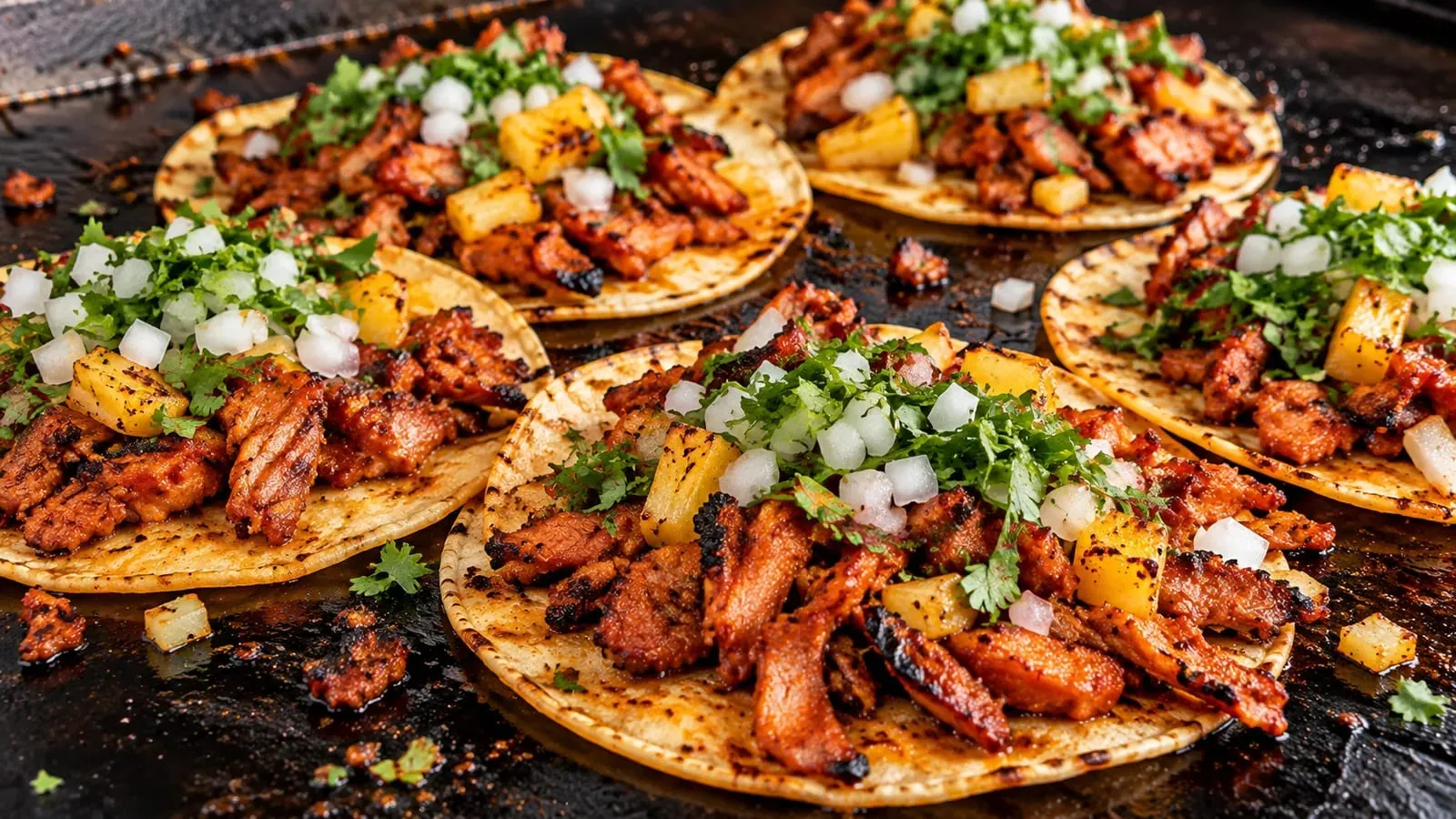
Pork shoulder sliced 1/4 inch thick and marinated in a chile, achiote, and pineapple juice blend, then seared hard and chopped on the griddle. Shoulder has enough fat to stay juicy when it’s cut this thin.
Temperature: 145°F on the thickest slice, then a short rest before chopping.
Getting a Crust Without Overcooking
Pork’s problem on a griddle is that the window between crust and dry is narrower than it is for beef.
Thickness buys you time. A one inch chop can take a hard sear and still come off at 145°F. A half inch chop cannot, which is why thin-cut chops end up gray.
Use two zones. Sear hot, then move to a cooler zone to finish. Trying to do both on one temperature is what burns the outside before the center arrives.
Dry the surface first. Same rule as everything else on a flat top. A wet chop steams instead of browning, and then you overcook it chasing color that was never going to come.
More flat-top recipes: Blackstone Dinner Ideas · Blackstone Griddle Sandwiches · Blackstone Breakfast Recipes
Frequently Asked Questions
What temperature should pork be cooked to on a Blackstone?
It depends on the cut. Whole cuts like chops, tenderloin, and roasts are done at 145°F with a three minute rest, which the USDA lowered from 160°F in 2011. Ground pork and sausage, including bratwurst, go to 160°F.
Why is my griddle pork always dry?
Almost always because it was cooked to the old 160°F guidance, or because the chop was too thin to survive a proper sear. Use a thick cut, pull it around 140°F, and let carryover bring it to 145°F while it rests.
Is a little pink in a pork chop safe?
Yes, for whole cuts cooked to 145°F and rested. A properly cooked chop is faintly pink in the center. That is not the case for ground pork or sausage, which should be cooked through to 160°F.
What is the best cut of pork for a griddle?
Thick-cut bone-in chops, at least an inch. They have enough mass to take a hard sear without overcooking and enough fat to stay juicy. Tenderloin cooks well too but is much less forgiving because it is so lean.
Do you need to brine pork before griddling it?
Not required, but it helps with lean cuts. An hour of brining is insurance on chops and tenderloin, which dry out quickly. It matters less for sausage and bacon, which carry plenty of their own fat.
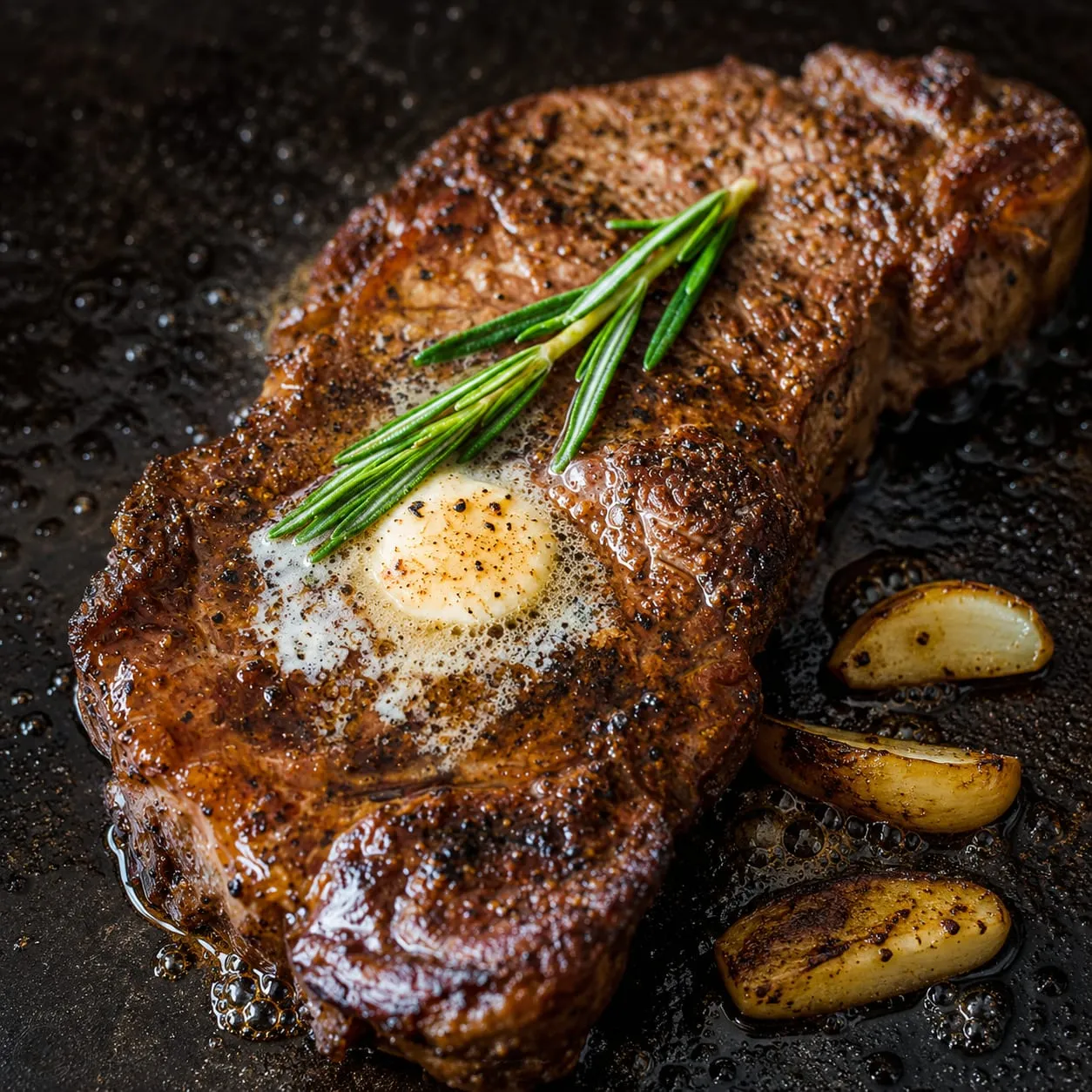
Best Blackstone Steak Recipes (Ribeye, Filet Mignon, Skirt, and More)
Every steak recipe on this site in one place: ribeye and strip, filet mignon, skirt steak with chimichurri, carne asada, fajitas, and steak bites, with the pull temp for each cut.
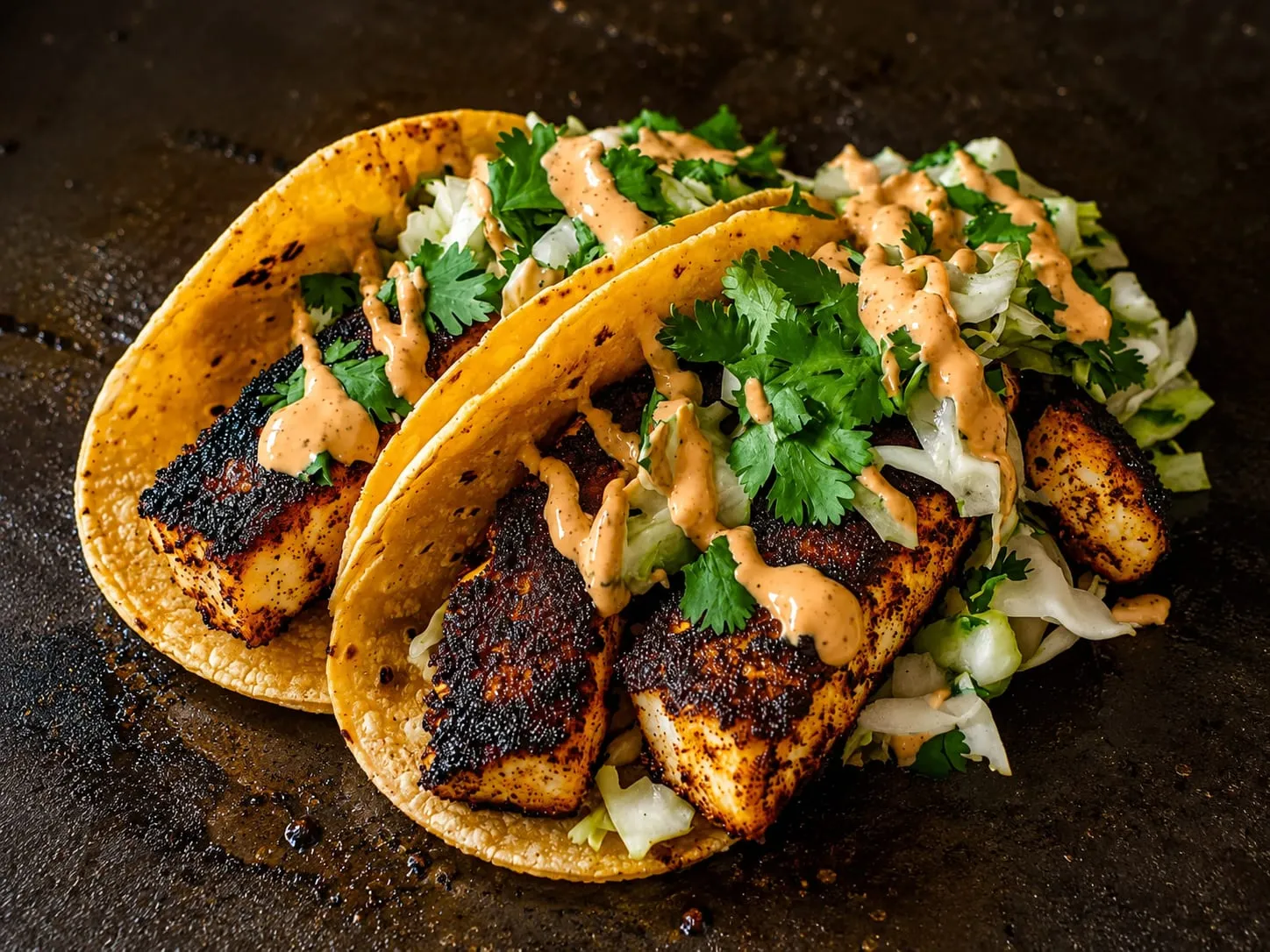
Gluten-Free Blackstone Recipes (30 Flat-Top Meals)
Gluten-free Blackstone recipes across proteins, tacos, vegetables, and sauces, plus the honest limitation of cooking gluten-free on a griddle that also cooks bread and buns.
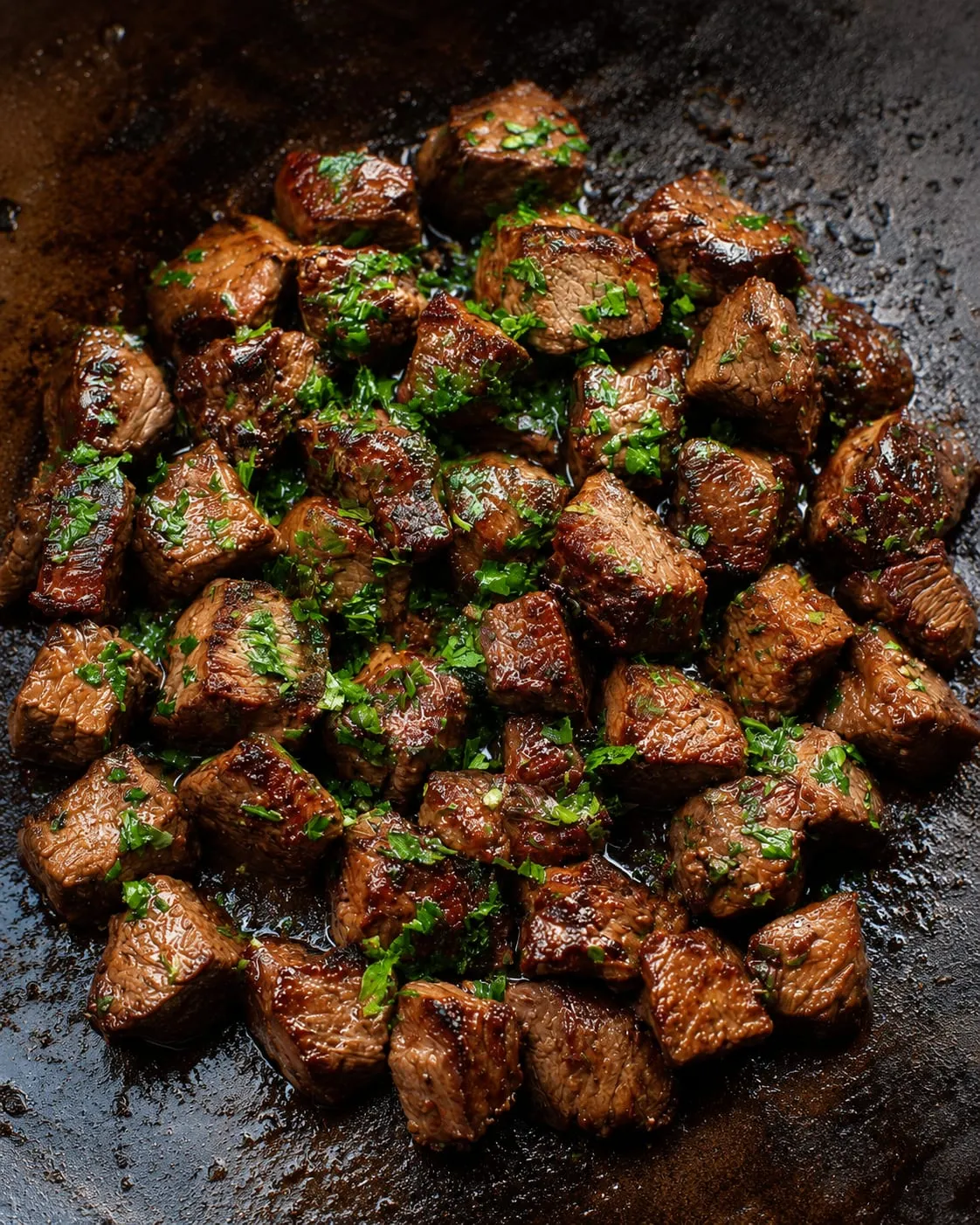
Keto Blackstone Recipes (15 Low-Carb Flat-Top Meals)
Keto Blackstone recipes with carb counts per serving: steak bites, chicken thighs, shrimp, and charred vegetables, plus the sauces that quietly break a low-carb cook.