
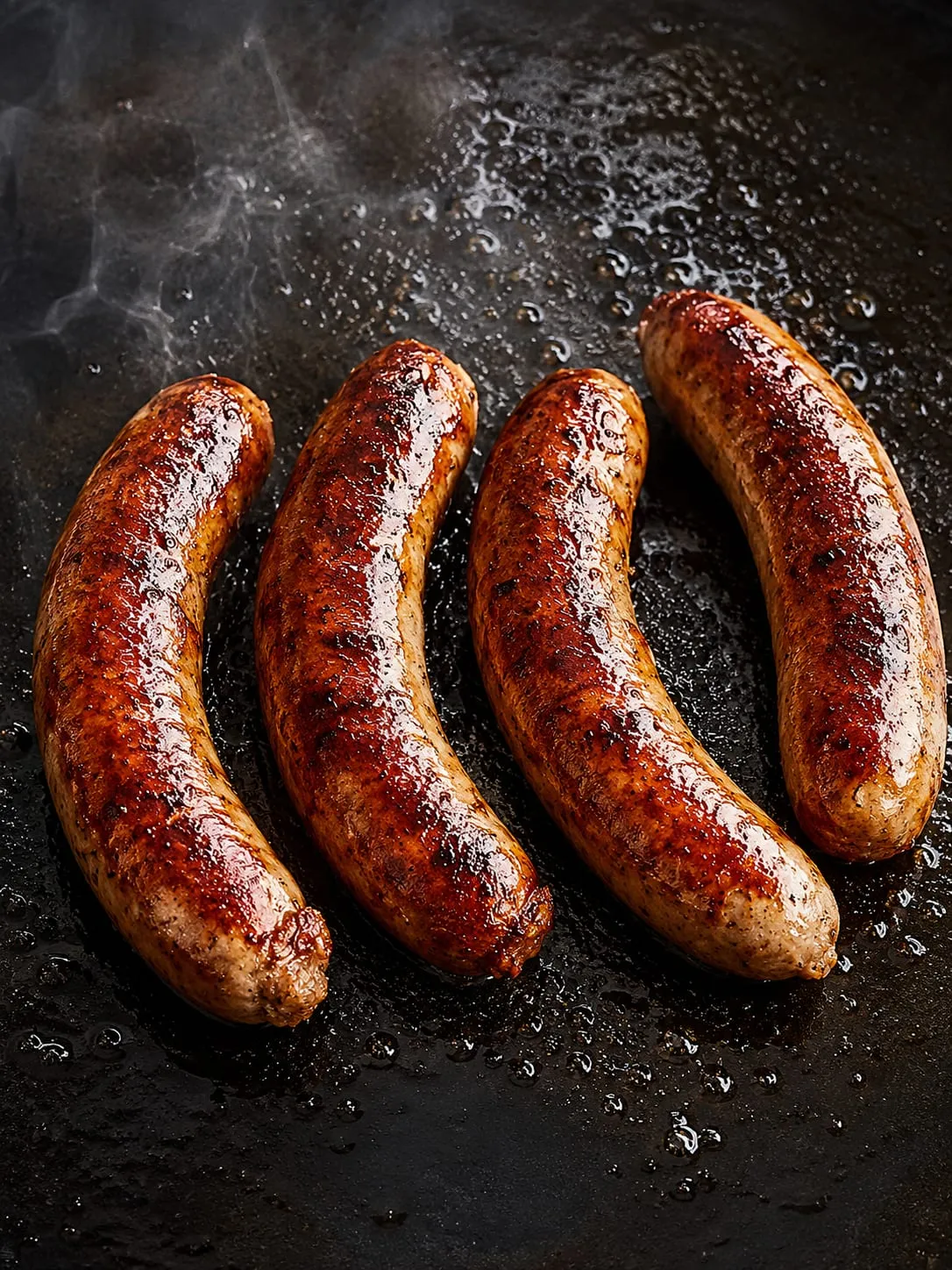
Blackstone Bratwurst: Beer Bath + Griddle Sear Method
Bratwurst on a Blackstone comes out better than direct-grilled brats because you have full control over two distinct phases: a low-heat beer bath to cook them through without burning the casing, followed by a high-heat sear to get that snappy, caramelized exterior. Direct high heat risks split casings and charred outsides with a raw center. The two-phase method eliminates both problems.
The beer bath does double duty: it poaches the brats to a safe internal temperature and the onions caramelize slowly in the beer and butter. By the time you pull everything off the griddle, you have perfectly cooked bratwurst and deeply caramelized onions from the same cook.
Ingredients
Bratwurst:
- 6 bratwurst links (pork, beer brat, or your preferred variety)
- 1 bottle (12 oz) German-style lager or pilsner (substitute: chicken broth)
- 2 large yellow onions, thinly sliced into half-rings
- 2 tbsp butter
- 1 tsp caraway seeds (optional but traditional)
- Salt and black pepper
For Serving:
- 6 hoagie-style brat buns, split
- Sauerkraut, drained
- Yellow mustard and/or spicy brown mustard
- Jalapeño slices (optional)
Instructions
Step 1: Preheat and Set Up Two Zones
Preheat the Blackstone with one zone at medium-low and one at medium-high. The beer bath happens on medium-low; the final sear on medium-high. If your griddle has 2-4 burners, run them at different temperatures to create both zones.
Step 2: Caramelize the Onions in Beer
On the medium-low zone, add butter and sliced onions. Cook 10 minutes, stirring occasionally, until the onions begin to soften. Add the beer and caraway seeds (if using). The liquid should sizzle but not boil violently. Let the onions cook in the beer, stirring occasionally.
Step 3: Add the Brats to the Beer Bath
Add the bratwurst to the onion and beer mixture. Cook 12-15 minutes, turning the brats every 3-4 minutes, until they reach an internal temperature of 155-160°F. The beer will reduce and concentrate as it cooks.
Step 4: Sear the Brats
Using tongs, move the brats to the medium-high zone. Sear 1-2 minutes per side, rotating to brown all sides, until the casings are deep golden brown and slightly charred in spots. This takes about 4-6 minutes total. The casing should be snappy when pressed. That’s how you know it’s right.
Step 5: Toast the Buns
While the brats sear, place the buns cut-side down in the residual fat/beer from the onion zone. Toast 60-90 seconds until lightly golden.
Step 6: Serve
Load each toasted bun with a brat, a generous spoonful of caramelized beer onions, and a pile of sauerkraut. Add mustard and jalapeños to taste.
Tips for the Best Blackstone Bratwurst
- Never pierce the casing. Bratwurst casings are what hold the flavorful fat inside during cooking. Piercing them drains the flavor and drys the brat out. Let the casing do its job.
- Don’t skip the beer bath. It looks like extra work, but it’s what produces a brat that’s fully cooked through without an overdone exterior. Direct high-heat cooking almost always splits or burns bratwurst before the center is done.
- The internal temperature is the indicator, not the color. A brat can look golden brown on the outside and still be underdone inside. Use a meat thermometer: 160°F is the target for pork bratwurst.
- Lager > dark beer. A light German lager or pilsner lets the flavor of the bratwurst come through. Dark beer (stout, porter) overpowers the delicate pork flavor with bitterness. Save the stout for braising beef.
- Buy good brats. The quality of the raw bratwurst matters more than the cooking technique. Look for fresh brats from a German butcher, a specialty meat counter, or a brand like Johnsonville Stadium Brats.
More flat-top recipes: Blackstone Dinner Ideas · Sausage and Peppers · Blackstone Kielbasa · Blackstone Griddle Sandwiches · Mushrooms and Onions
Frequently Asked Questions
Do you have to cook bratwurst in beer?
No, but beer produces the best result. The beer bath cooks the brats through while adding subtle flavor and preventing the casing from splitting under high heat. You can substitute chicken broth or water. The technique is the same. Plain water works but contributes less flavor to the onions.
What temperature should bratwurst be cooked to?
Bratwurst should reach an internal temperature of 160°F (pork bratwurst). Pull them from the beer bath around 155°F. They’ll carryover cook to 160°F during the sear. Don’t cook past 165°F or the brat dries out.
Can you cook bratwurst on a Blackstone without the beer bath?
Yes, but lower the heat. Cook on medium (not medium-high) and turn frequently (every 2-3 minutes) for 15-18 minutes total. The risk without a poaching step is uneven cooking: the outside browns before the center reaches temperature. Lower heat and more time solves this, though the result isn’t quite as juicy as the beer bath version.
What kind of mustard goes on bratwurst?
Spicy brown mustard is the most common choice in the Midwest. Yellow mustard is the classic ballpark option. German-style whole-grain mustard (Düsseldorf style) is excellent on the traditional beer brat. Avoid honey mustard. It’s too sweet and doesn’t hold up against the savory pork.
Can you pre-cook brats in beer and finish later?
Yes. This is a great prep strategy for large gatherings. Beer-bath the brats to 155°F, cool, and refrigerate for up to 2 days. When ready to serve, sear directly on a hot griddle for 4-5 minutes total. They’ll heat through quickly and develop the same caramelized exterior.
What temperature do you cook bratwurst on a Blackstone griddle?
Cook bratwurst using two heat zones on a Blackstone griddle: 325 degrees F (medium-low) for the beer bath to cook through without splitting the casing, then 400 degrees F (medium-high) for the final sear to develop the caramelized exterior.
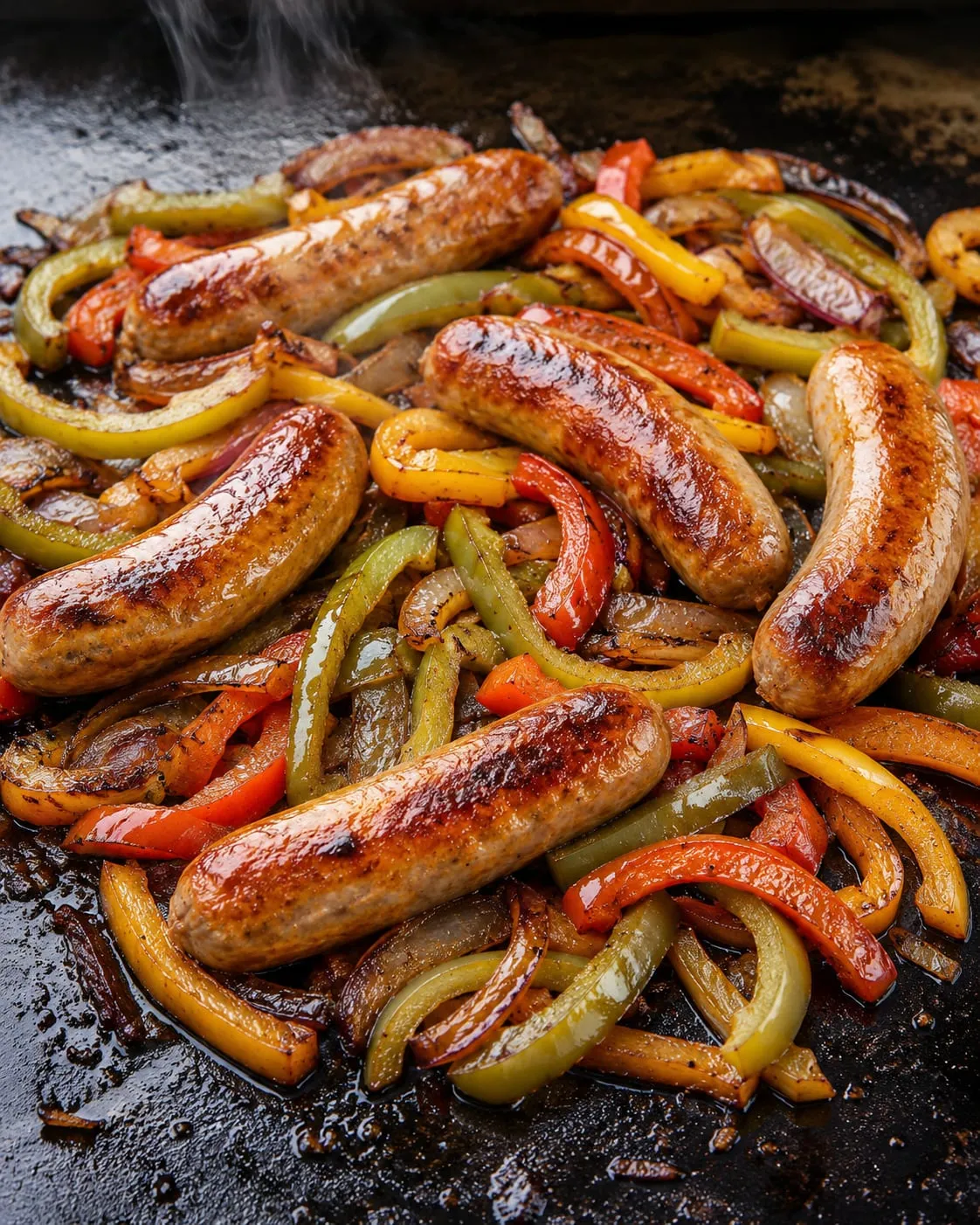
Blackstone Sausage and Peppers: Italian Sausage on the Flat-Top
Sausage and peppers on a Blackstone: Italian sausage seared until the casing snaps, peppers and onions caramelized in the fat. Ready in 25 minutes.
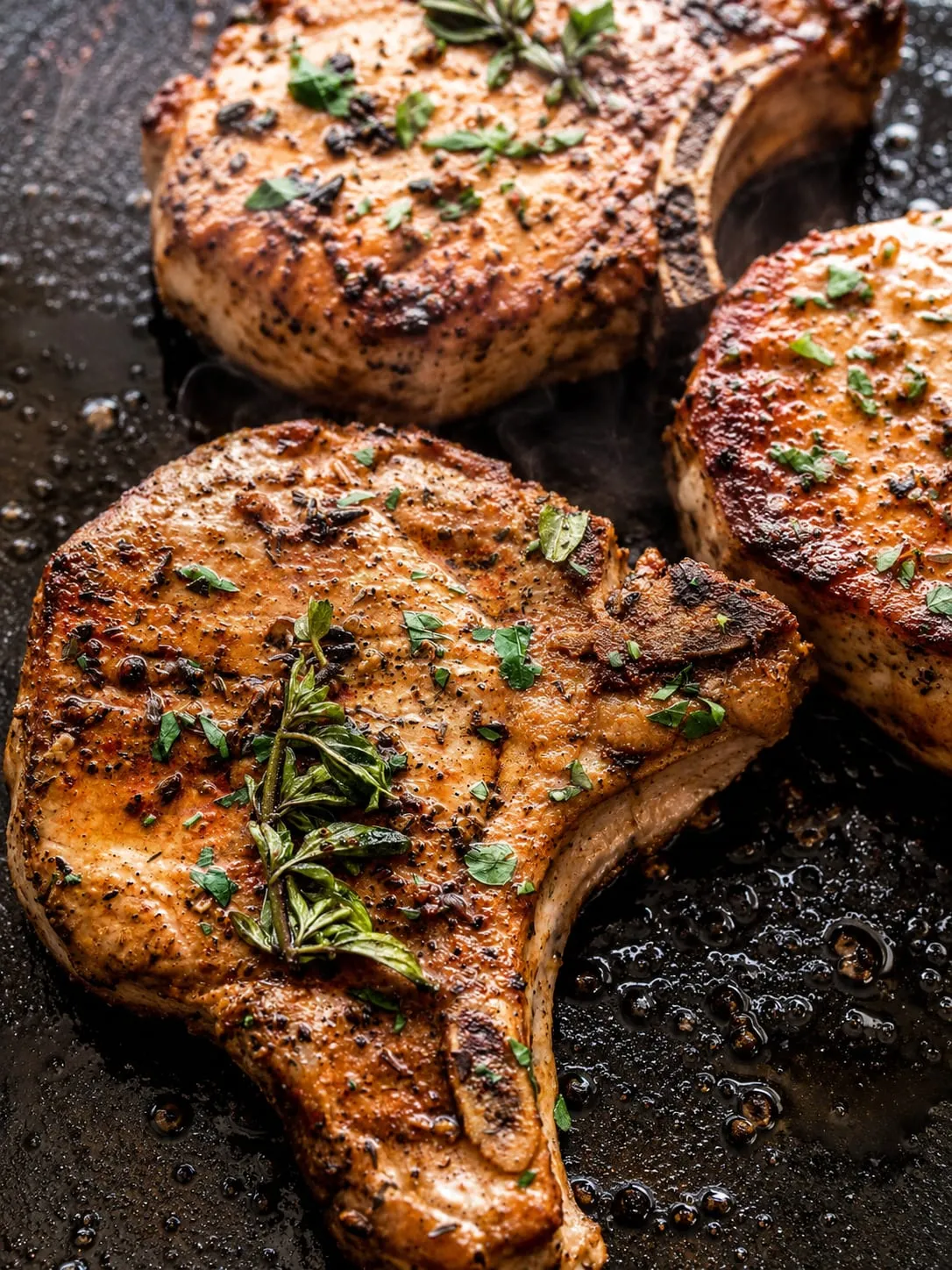
Blackstone Pork Chops: 3 Recipes for the Flat-Top
Pork chops on a Blackstone griddle: the right temperature and thickness, plus three recipes: garlic butter, peppercorn, and honey mustard.
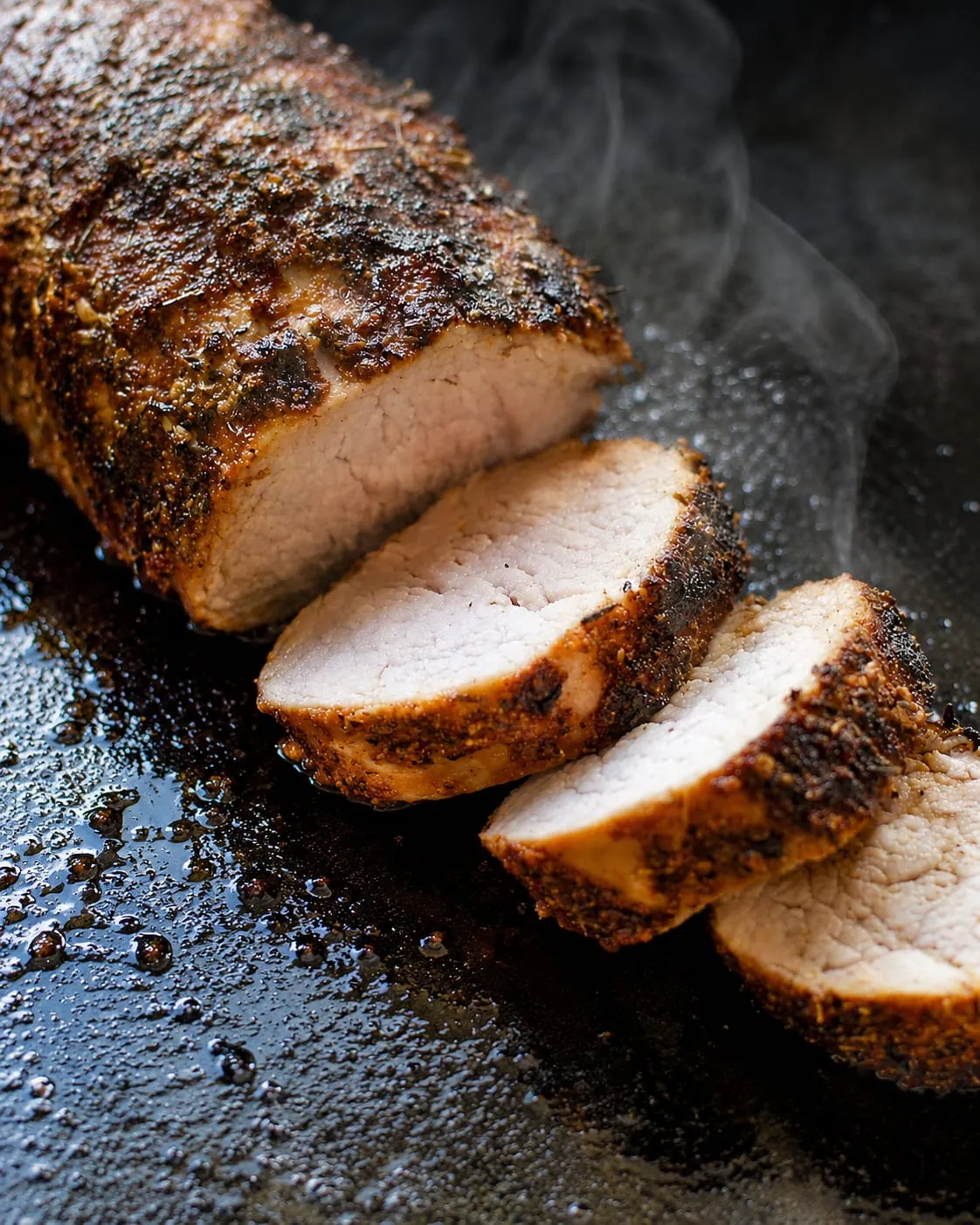
Blackstone Pork Tenderloin Recipe
Pork tenderloin on a Blackstone griddle, seared at high heat for a golden crust, rested to juicy perfection. A 25-minute dinner on the flat top.