
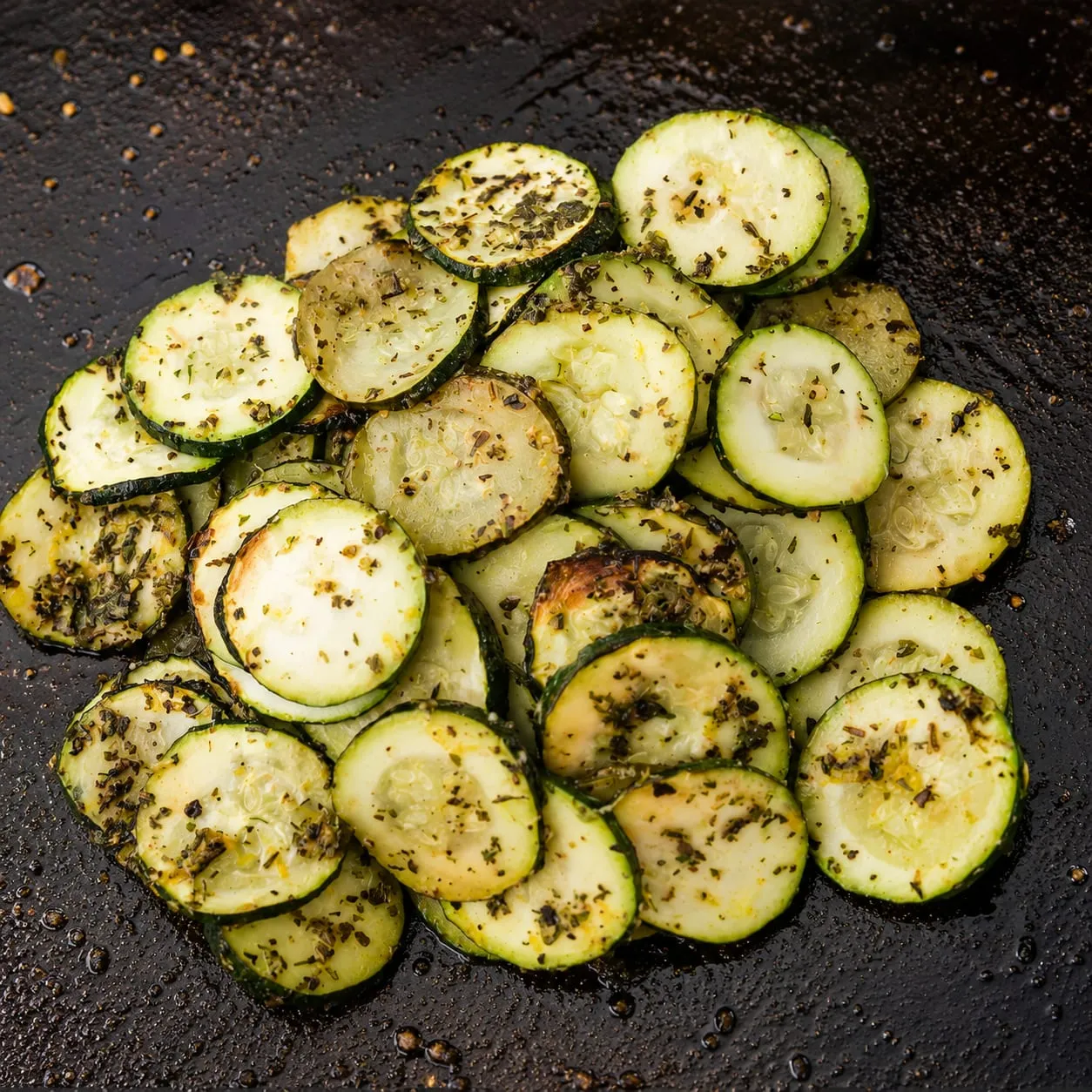
Zucchini on a Blackstone Griddle: Charred Edges, Tender Center
Equipment
Zucchini on a Blackstone comes together in under 10 minutes and is the kind of side dish that can cook alongside almost anything: chicken fajitas, carne asada, shrimp, or steak. The flat-top gives you even contact across the full cut surface, which is what produces the char. A stovetop pan crowds and steams; a Blackstone at the right temperature sears.
The two things that matter: high heat and don’t overcrowd. Zucchini is mostly water. Pile it up or run the griddle too cool and it steams itself soft instead of charring. Give each piece space and get the surface to 375-400°F and you get what you’re after: caramelized edges with some bite still left in the center.
How to Cut Zucchini for the Blackstone
The cut determines how much surface area hits the steel, which determines how much char you get.
Planks (sliced lengthwise, ¼ inch thick) give the most contact and the best char. Lay them flat and the whole face caramelizes. Best for serving as a side dish next to a protein.
Spears (halved or quartered lengthwise) are substantial and hold up well. Good for cooking alongside larger proteins where the timing needs to match.
Half-moons (sliced into ¼-inch rounds, then halved) are the quickest prep and cook the fastest. Less char per piece but good for higher quantities or mixed vegetable situations.
Diced works for adding zucchini into a stir-fry or fried rice. You lose the char aesthetic but it cooks fast and integrates well into other dishes.
For a dedicated side dish, planks or spears are the right call.
Ingredients
- 2 medium zucchini (about 1 lb)
- 2 tbsp avocado oil or olive oil
- ½ tsp kosher salt
- ¼ tsp black pepper
- ½ tsp garlic powder
Optional finishes:
- Lemon zest and fresh parsley
- Grated parmesan
- Red pepper flakes
- Fresh basil
Instructions
Step 1: Prep the Zucchini
Cut zucchini into planks, spears, or half-moons (see above). Pat dry with a paper towel. Removing surface moisture before it hits the griddle makes a real difference in how well it chars.
For even better results: lay the cut pieces on a paper towel, sprinkle lightly with salt, and let sit 10 minutes. The salt draws out more moisture. Pat dry again before oiling.
Step 2: Preheat the Blackstone
Set to medium-high heat and preheat 8 minutes. Target surface temperature: 375-400°F. See the griddle temperature guide for reference. The griddle needs to be fully up to temperature before the zucchini goes on. Adding it to a surface that’s still heating up means it sits in the warming zone too long and softens.
Step 3: Oil and Season
Toss the zucchini pieces with avocado oil, black pepper, and garlic powder. Hold the salt until after cooking if you didn’t pre-salt. Salt added right before cooking draws out moisture on the griddle surface and works against the char.
Step 4: Cook in a Single Layer
Add the zucchini to the griddle in a single layer with space between each piece. Do not stack. Cook undisturbed for 3-4 minutes until the bottom face shows deep golden-brown char marks and the piece releases cleanly from the surface.
Step 5: Flip Once
Flip each piece once and cook another 2-3 minutes on the second side. Zucchini is done when it has visible char on both sides and is just tender when pierced with a fork. It should have some resistance, not be soft all the way through. It continues to soften slightly off the heat.
Step 6: Season and Finish
Transfer to a plate. Season with salt now if you didn’t pre-salt. Add any finishes (lemon zest, parmesan, fresh herbs, red pepper flakes) while still hot.
Tips
- Dry the zucchini before it hits the griddle. Wet zucchini steams in its own moisture instead of charring. Pat dry, and pre-salt if you have the time.
- Don’t move it. The char builds from sustained contact. If you’re pushing the pieces around every 30 seconds, you’re breaking the contact that creates the crust.
- Pull it while it still has some firmness. Zucchini goes from “just right” to mushy fast. Err on the side of slightly underdone. It keeps cooking off the heat for a minute.
- Cook in batches if needed. Overcrowding drops the surface temperature and triggers steaming. Better to do two batches in 15 minutes than one crowded batch with poor results.
- Yellow squash cooks the same way. Same cut, same temperature, same timing. Mix zucchini and yellow squash for a better-looking plate.
Variations
Garlic Parmesan Zucchini
Toss with oil, garlic powder, and black pepper before cooking. Immediately after pulling off the griddle, hit with grated parmesan while still hot so it melts slightly into the char. Finish with fresh parsley.
Lemon Herb Zucchini
Cook plain with oil, salt, and pepper. Finish with lemon zest, a squeeze of fresh lemon juice, and fresh basil or parsley. Clean and bright, good alongside fish or shrimp.
Spicy Zucchini
Add ¼ tsp cayenne and ¼ tsp smoked paprika to the oil before tossing. Finish with red pepper flakes and a drizzle of honey for a sweet-heat contrast.
Italian Zucchini
Season with Italian seasoning, garlic powder, and a pinch of salt. Finish with parmesan and fresh basil. Serve alongside anything you’d pair with an Italian-style side.
Mixed Vegetable Medley
Cook zucchini alongside bell peppers, onions, and yellow squash: same temperature, same oil, same timing. Use the Blackstone’s zone system: start onions and peppers a few minutes before the zucchini since they take slightly longer. Everything finishes together.
What to Serve With Blackstone Zucchini
Zucchini is one of the most versatile Blackstone sides because it pairs with almost any protein and cooks at the same temperature as most of them. It can cook on a cooler zone of the same griddle while your main protein finishes.
- Alongside Blackstone chicken fajitas, cook the zucchini with the peppers and onions for a fuller vegetable mix
- With Blackstone steak, zucchini at medium-high while the steak finishes
- With Blackstone shrimp, shrimp and zucchini cook at the same temperature and finish in the same time window
- With Blackstone carne asada, zucchini is a natural complement to the citrus-marinated beef
More flat-top recipes: Blackstone Side Dishes · Healthy Blackstone Recipes
Frequently Asked Questions
What temperature should the Blackstone be for zucchini?
Medium-high: 375-400°F. Lower heat causes zucchini to steam in its own moisture instead of charring. At medium-high, the surface of each piece caramelizes before the interior turns mushy.
How do you keep zucchini from getting mushy on a Blackstone?
Three things: dry the zucchini before it goes on, use high heat (375-400°F), and don’t overcrowd the surface. Wet zucchini on a cool, crowded griddle steams, and steamed zucchini turns soft fast. Space the pieces out in a single layer and let the heat do the work.
Should you salt zucchini before cooking on a Blackstone?
Optional but worthwhile if you have 10 minutes. Sprinkle cut zucchini lightly with salt, let it sit on a paper towel to draw out moisture, then pat dry before oiling. The drier the surface, the better the char. If you’re cooking immediately, skip the pre-salt and season after cooking instead.
How long does zucchini take on a Blackstone?
3-4 minutes on the first side, 2-3 minutes on the second, 6-8 minutes total at medium-high heat. Pull it while it still has some firmness; it continues to soften slightly off the heat.
Can you cook yellow squash the same way on a Blackstone?
Yes. Same cut, same temperature, same timing. Yellow squash and zucchini are interchangeable on the griddle. Mix them for a better-looking side dish.
Do you need to peel zucchini before cooking on a Blackstone?
No. The skin holds the pieces together during cooking and gets slightly crispy at the edges where it chars. Leave it on.
What temperature do you cook zucchini on a Blackstone griddle?
Cook zucchini at 375-400 degrees F (medium-high heat) on a Blackstone griddle. High heat chars the cut surfaces in 3-4 minutes on the first side and 2-3 on the second, caramelizing the natural sugars. Lower heat softens the zucchini before it can develop any char.
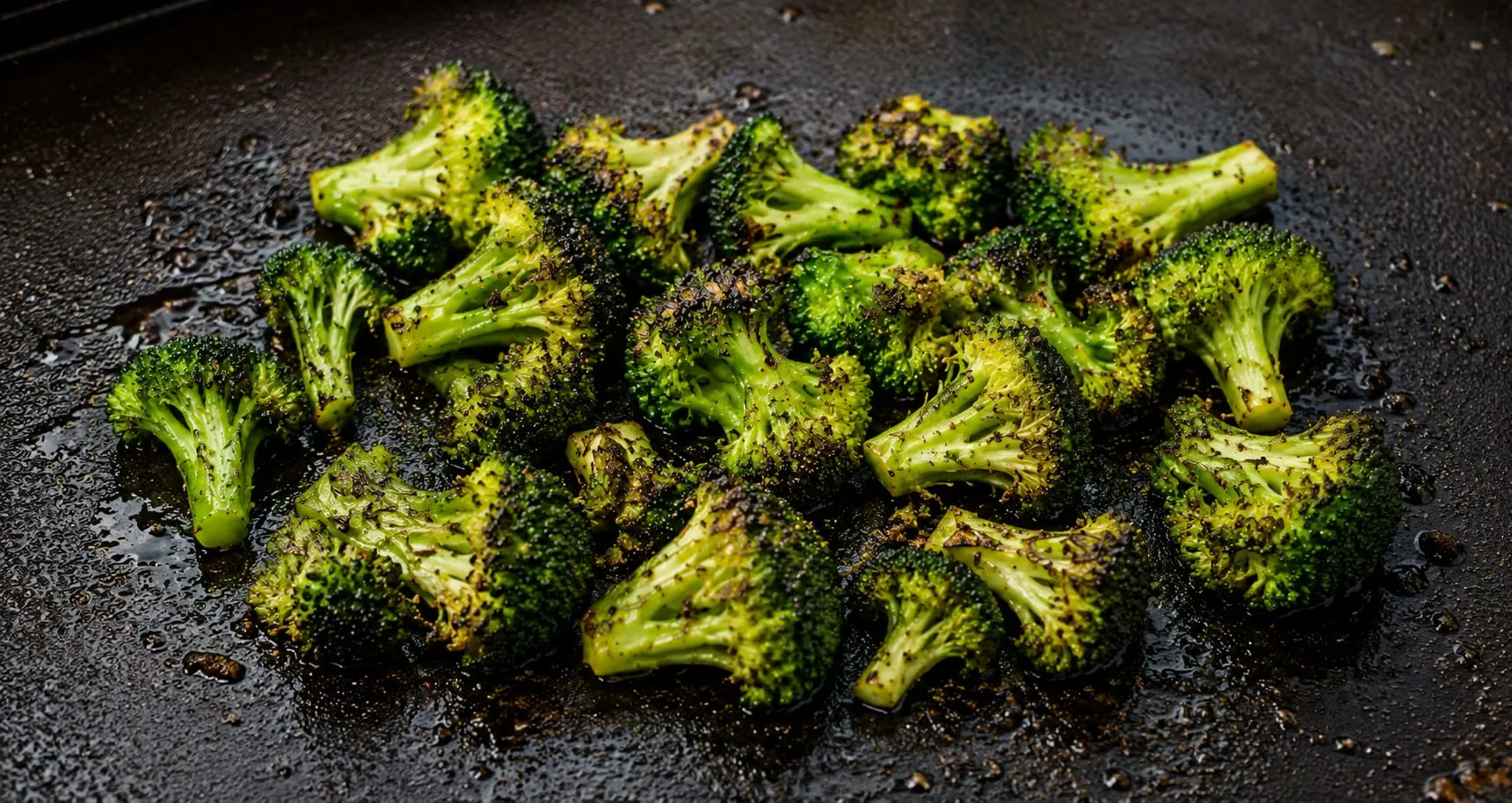
Blackstone Broccoli: Charred Florets, Tender Center
How to cook broccoli on a Blackstone griddle: high heat, the dome trick, and four seasoning variations. A 10-minute side that goes with anything.
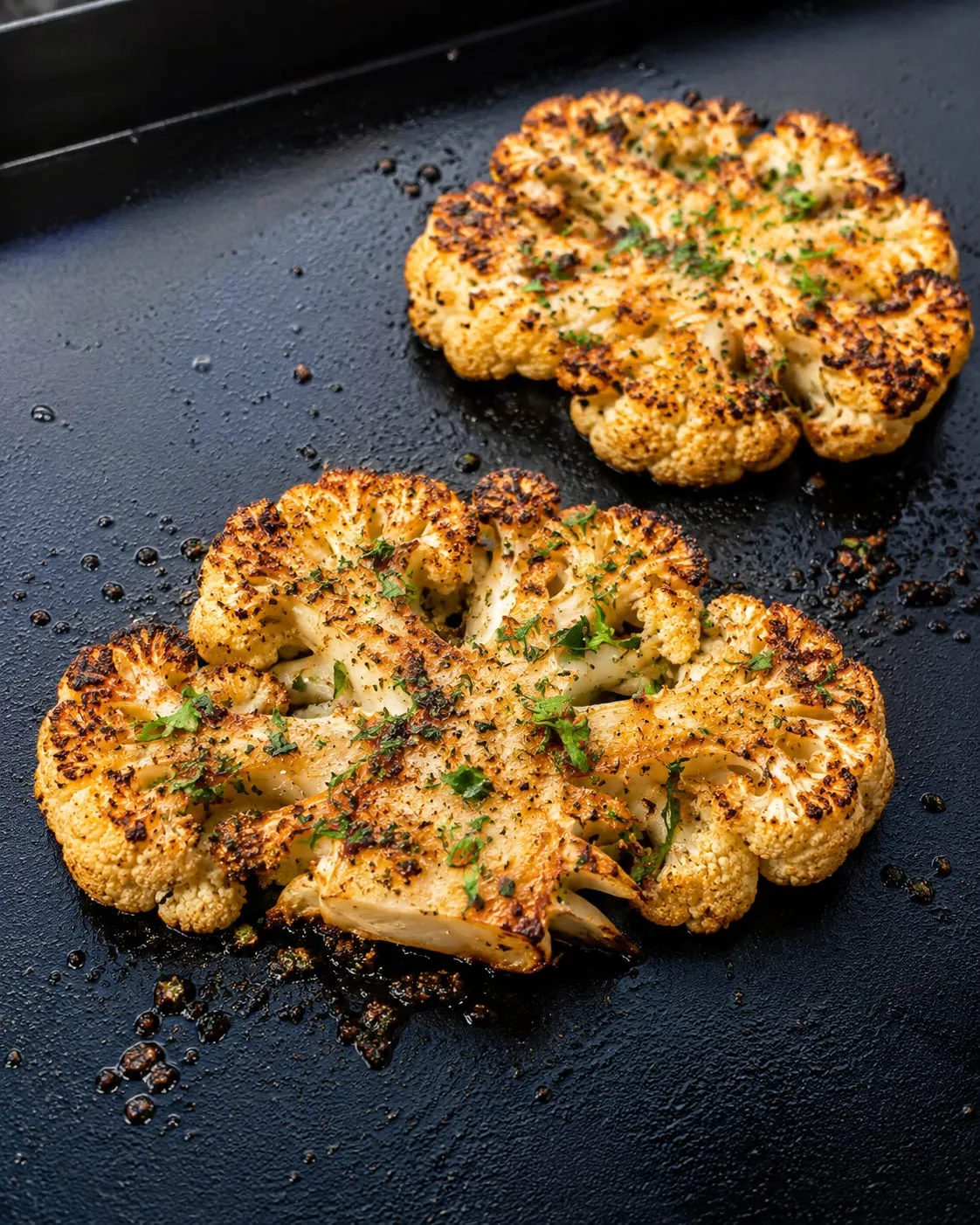
Blackstone Cauliflower: Charred Steaks and Crispy Florets
How to cook cauliflower on a Blackstone griddle: cauliflower steaks with a deep golden crust, plus crispy florets. Low-carb, keto-friendly, and ready in 15 minutes.
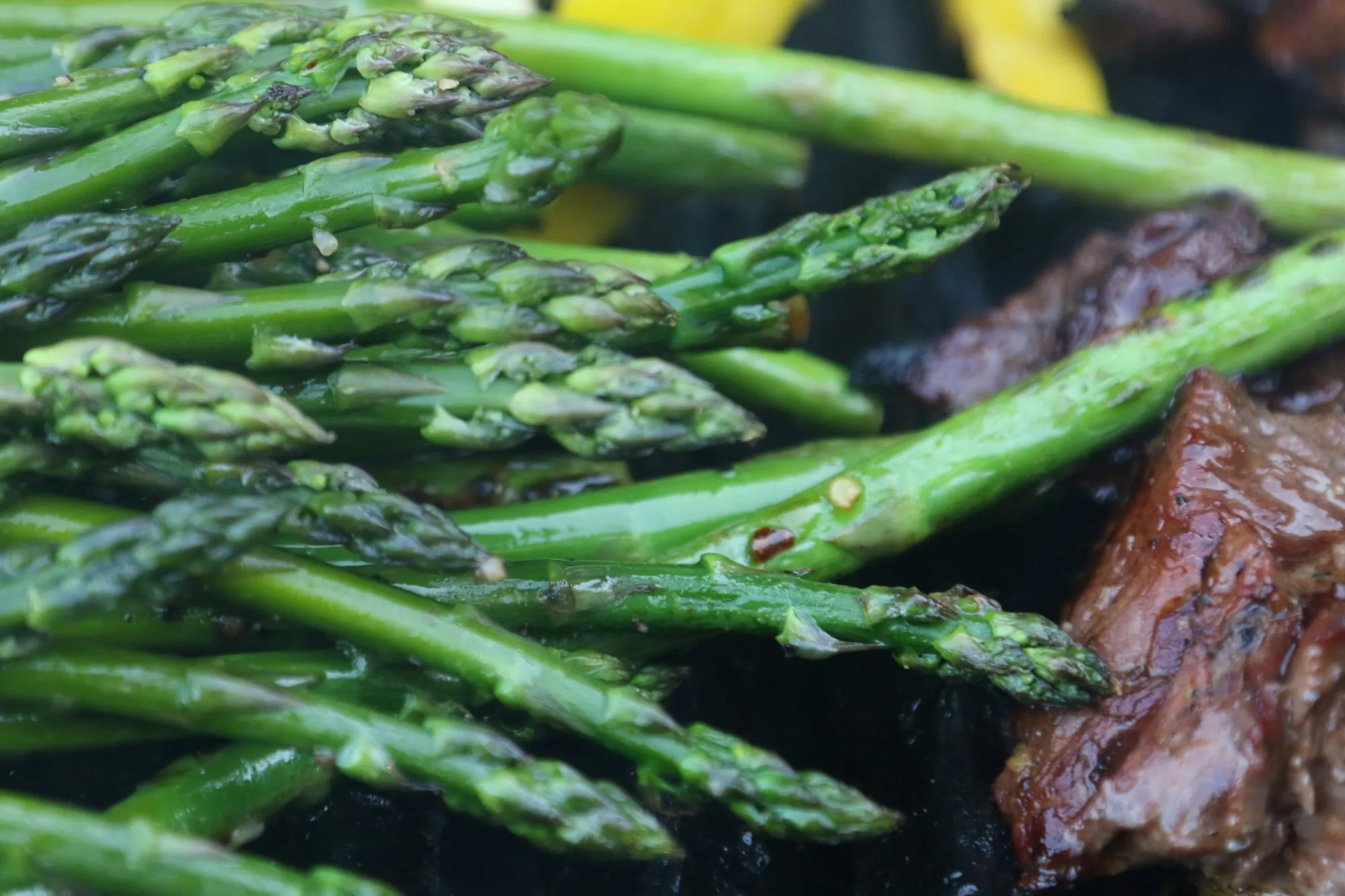
Asparagus on Blackstone: Charred, Tender, Done in 8 Minutes
How to cook asparagus on a Blackstone: temperature, timing by thickness, and three variations: garlic butter, lemon parmesan, and bacon-wrapped.