
Best Blackstone Side Dishes (18 Flat-Top Recipes)
The Blackstone handles side dishes as well as it handles proteins, better, in some cases. Vegetables get a char and caramelization from direct steel contact that a grill can’t deliver (they fall through the grates or steam) and potatoes get the crispy exterior that a stovetop pan can’t produce at scale.
Here are the best side dish recipes for a Blackstone, with full recipes for each.
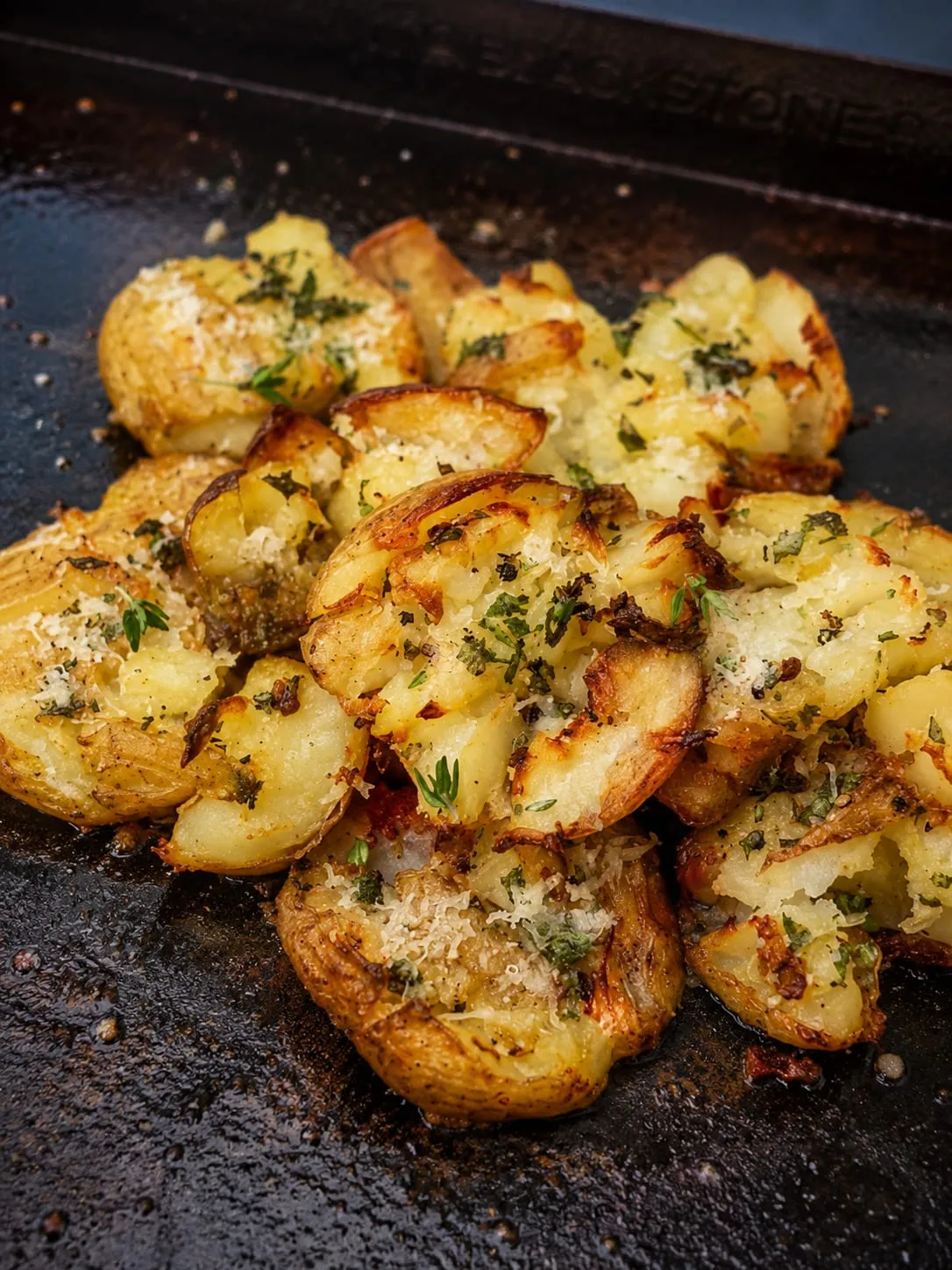
1. Potatoes
Crispy breakfast potatoes, smashed potatoes, and hash browns, all built around the par-cook technique. Microwave or boil the potatoes until just tender, then finish on the hot griddle until deeply golden. Skip the par-cook and you get raw centers and burnt exteriors.
Best on the Blackstone because: the large surface lets you cook a full batch in a single layer. Crowding in a pan steams instead of crisps.
2. Asparagus
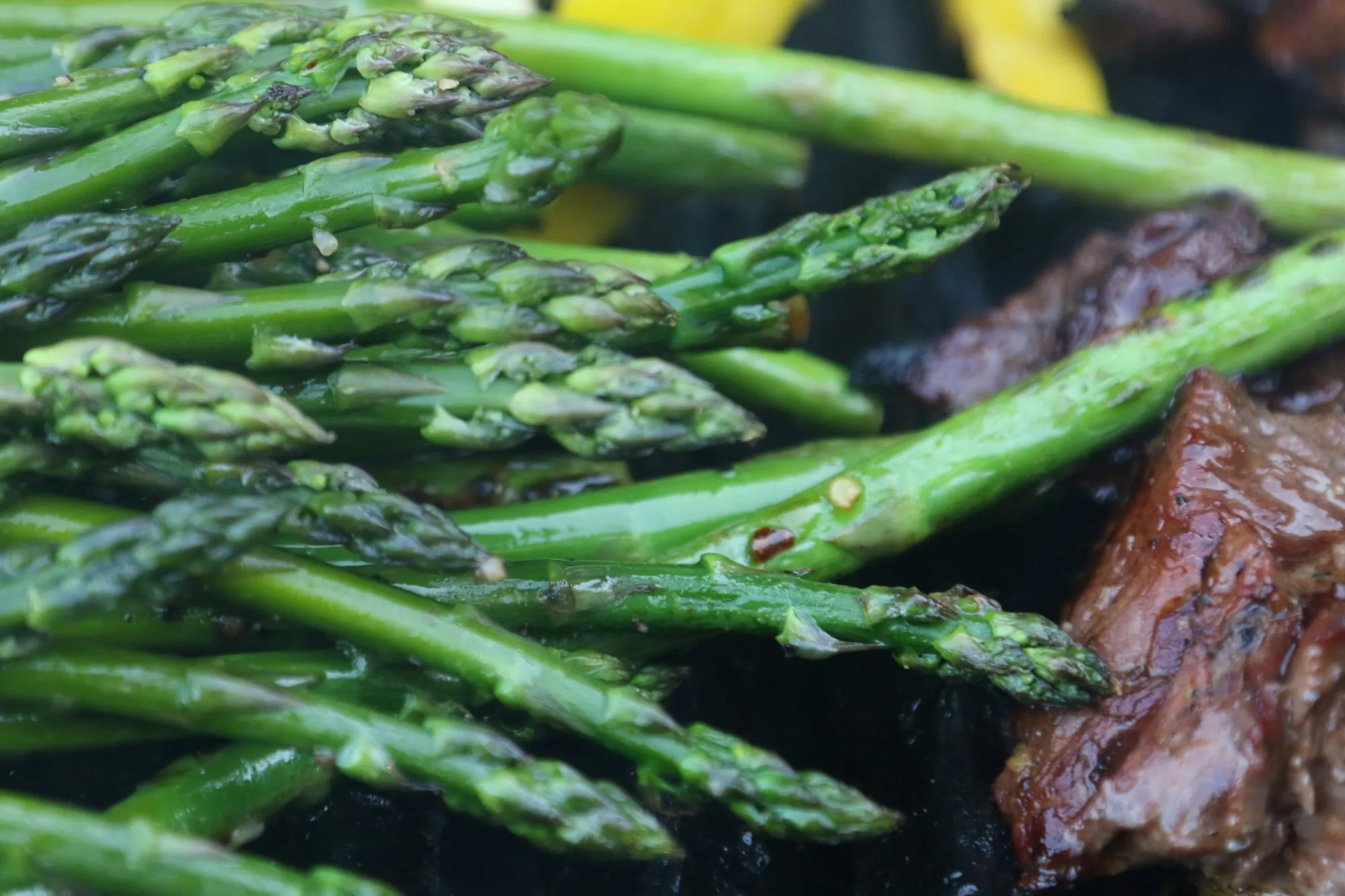
Charred, tender asparagus in 8 minutes. The flat steel gives asparagus better contact than a grill (thin spears fall through or roll away) and better browning than a pan (where they steam in their own moisture). Three variations in the full recipe: garlic butter, lemon parmesan, and bacon-wrapped.
Best on the Blackstone because: flat steel contact chars the asparagus evenly without grill marks or steaming, the most consistent result of any cooking method.
3. French Fries
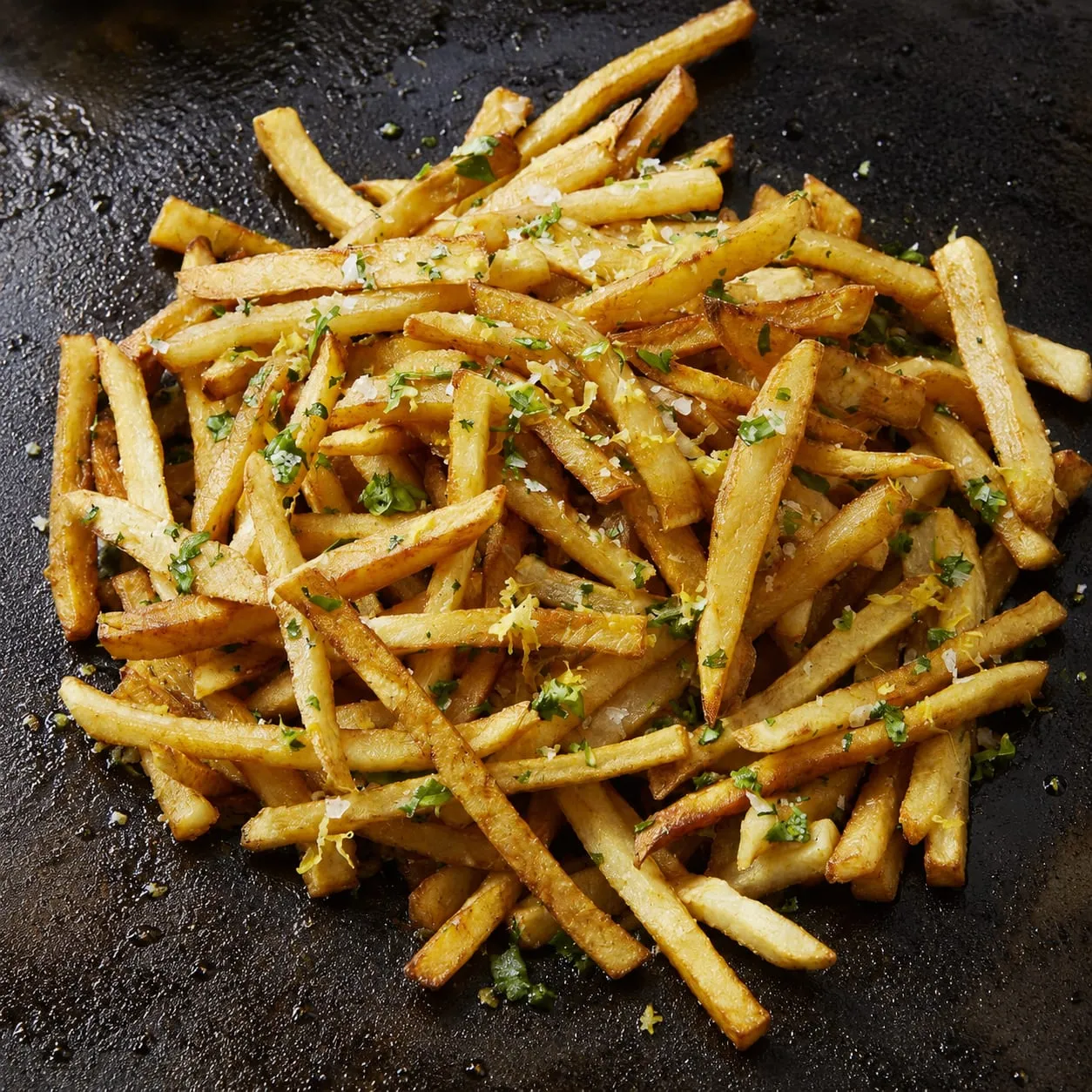
Frozen fries or par-cooked fresh-cut fries crisped on the flat top. The steel’s even heat means every fry in contact with the surface cooks at the same rate, and a wide spatula makes it easy to flip and toss them. Better than the oven, faster than a fryer for small batches.
Best on the Blackstone because: flat steel contact on multiple sides as you flip creates more crisping surface than a baking sheet.
4. Elotes (Mexican Street Corn)
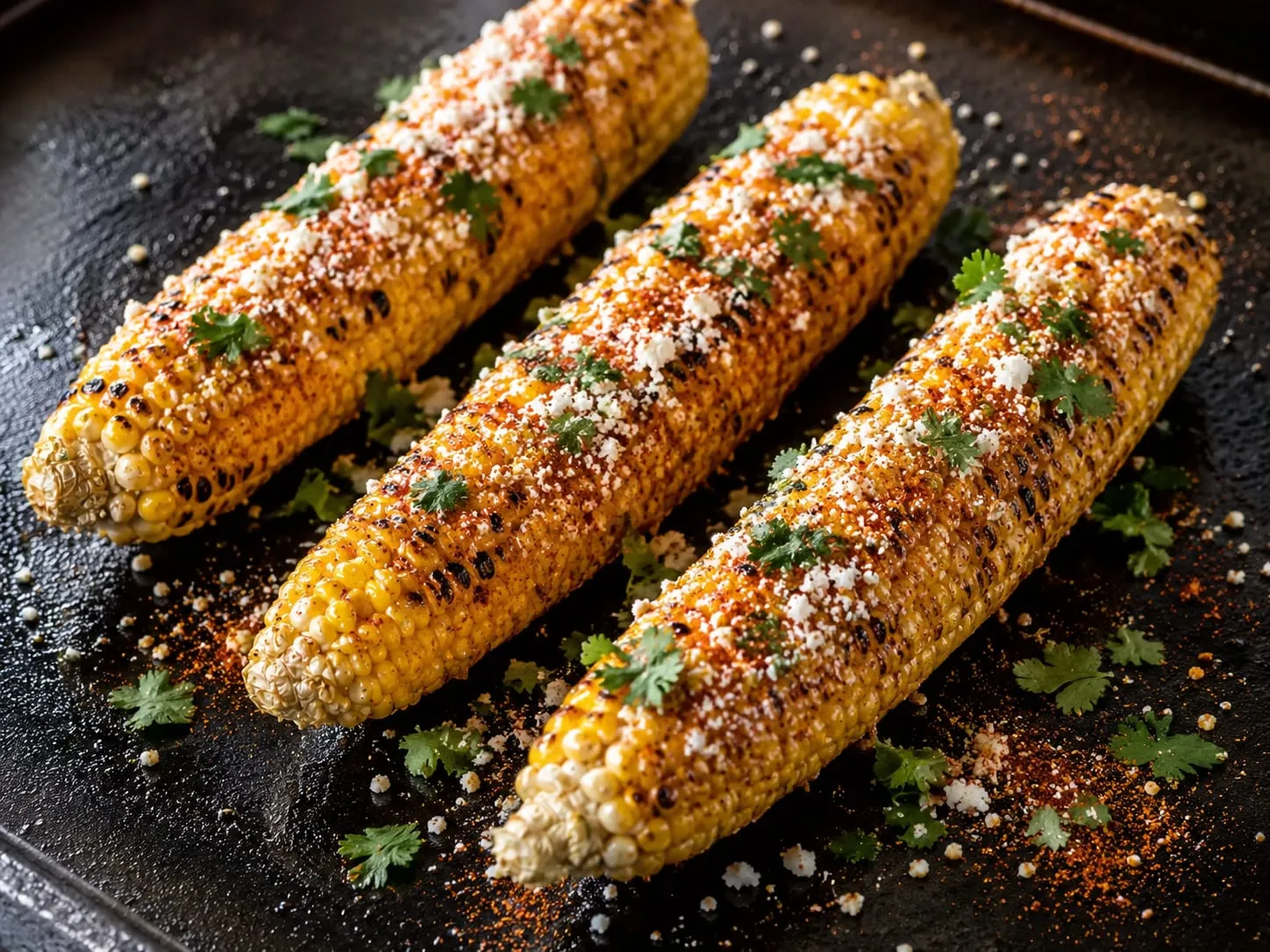
Corn cobs charred on the flat top, then slathered in cotija, mayo, chili powder, and lime. The griddle chars the corn faster and more evenly than a grill (no grate gaps or hot spots) and gives you a flat surface to roll the cob against, making the topping easier to apply.
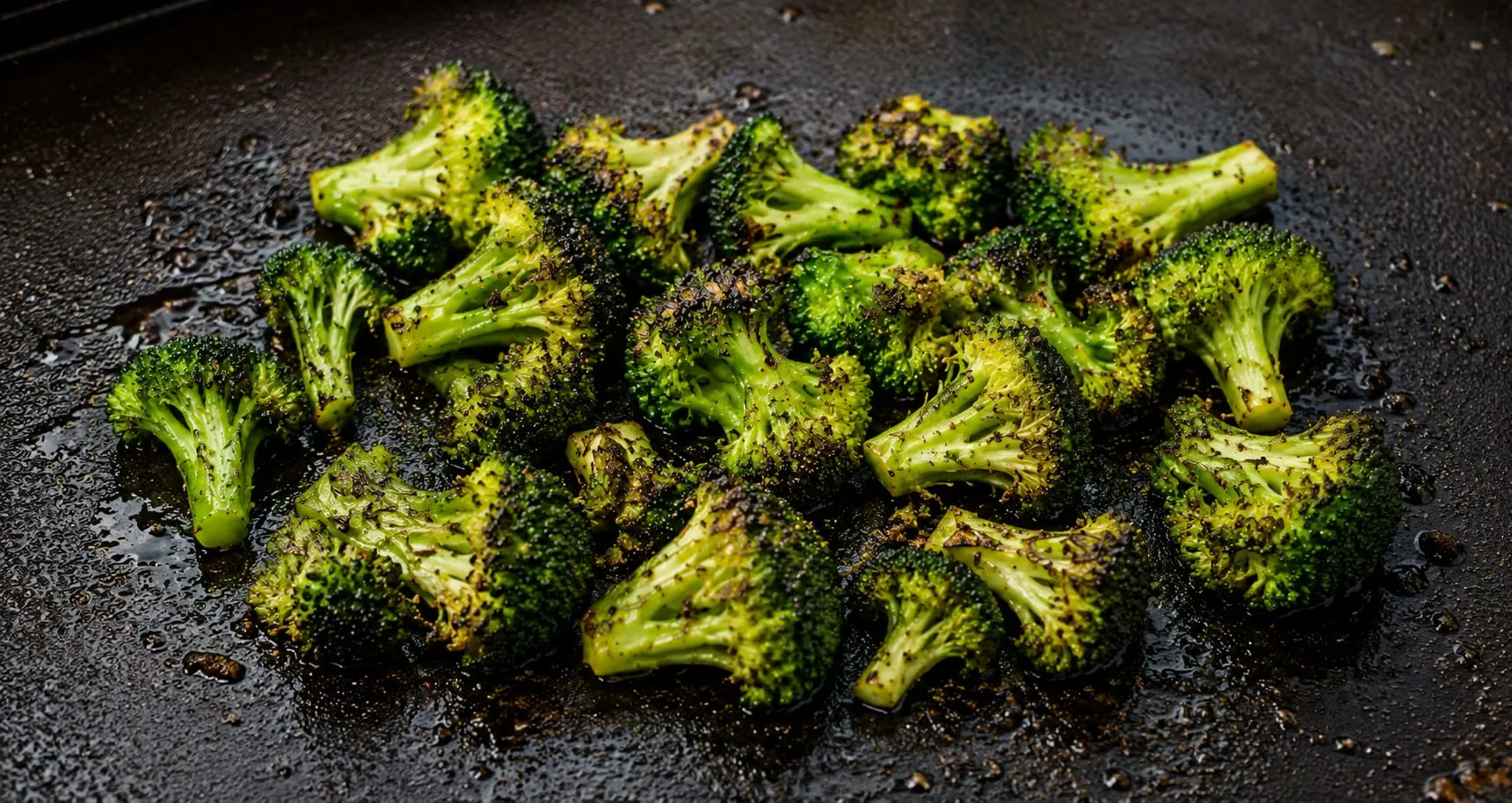
5. Broccoli
Broccoli florets cooked on the flat top get a char on the cut faces that oven-roasting doesn’t match. Steel contact creates actual browning (not just heat) and you can season and toss them on the same surface. Done in 6-8 minutes alongside whatever protein you’re cooking.
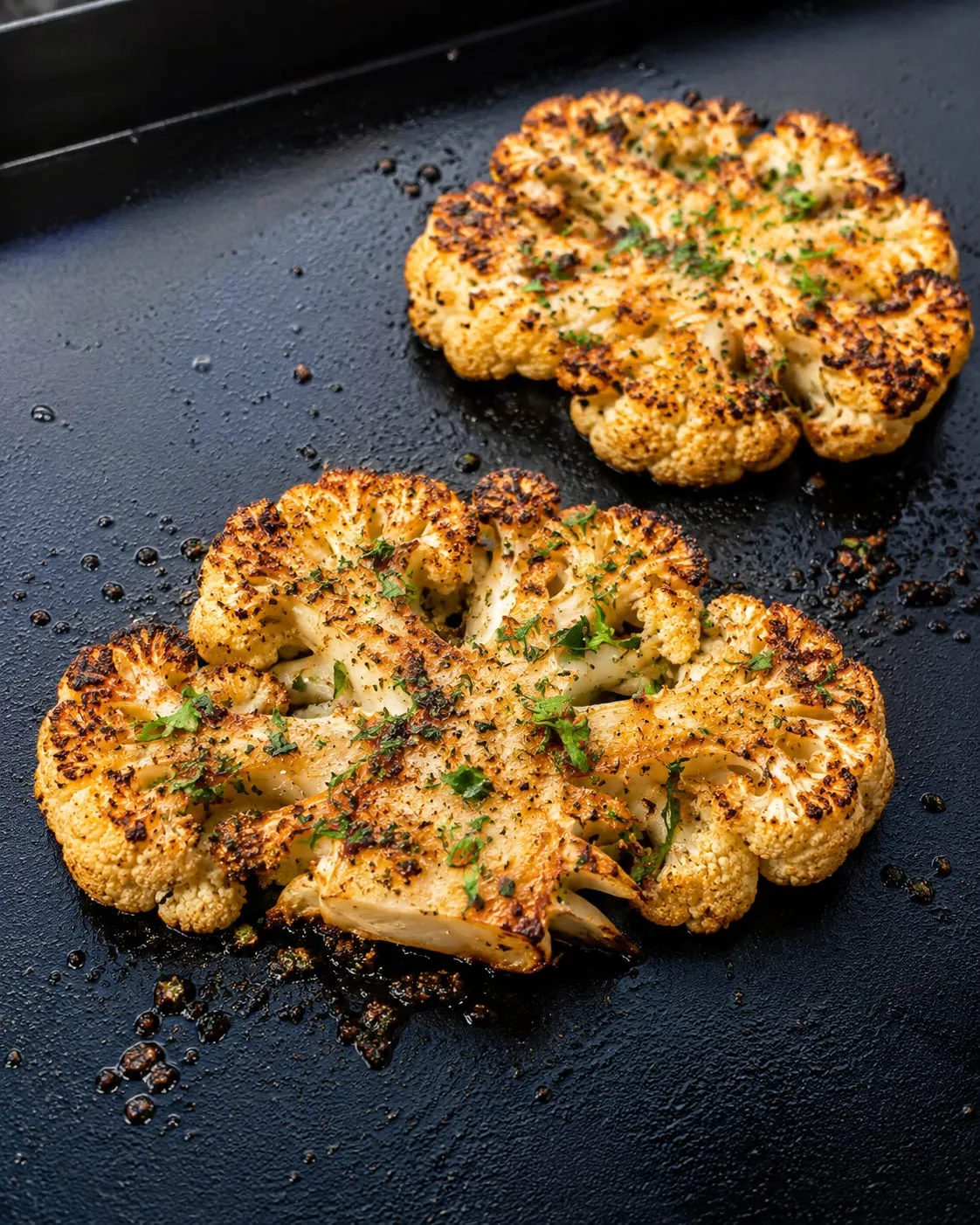
6. Cauliflower
Same approach as broccoli but with a slightly longer cook time since cauliflower is denser. The flat steel browns the cut faces better than roasting, and high heat caramelizes the natural sugars for a better flavor than the oven produces.
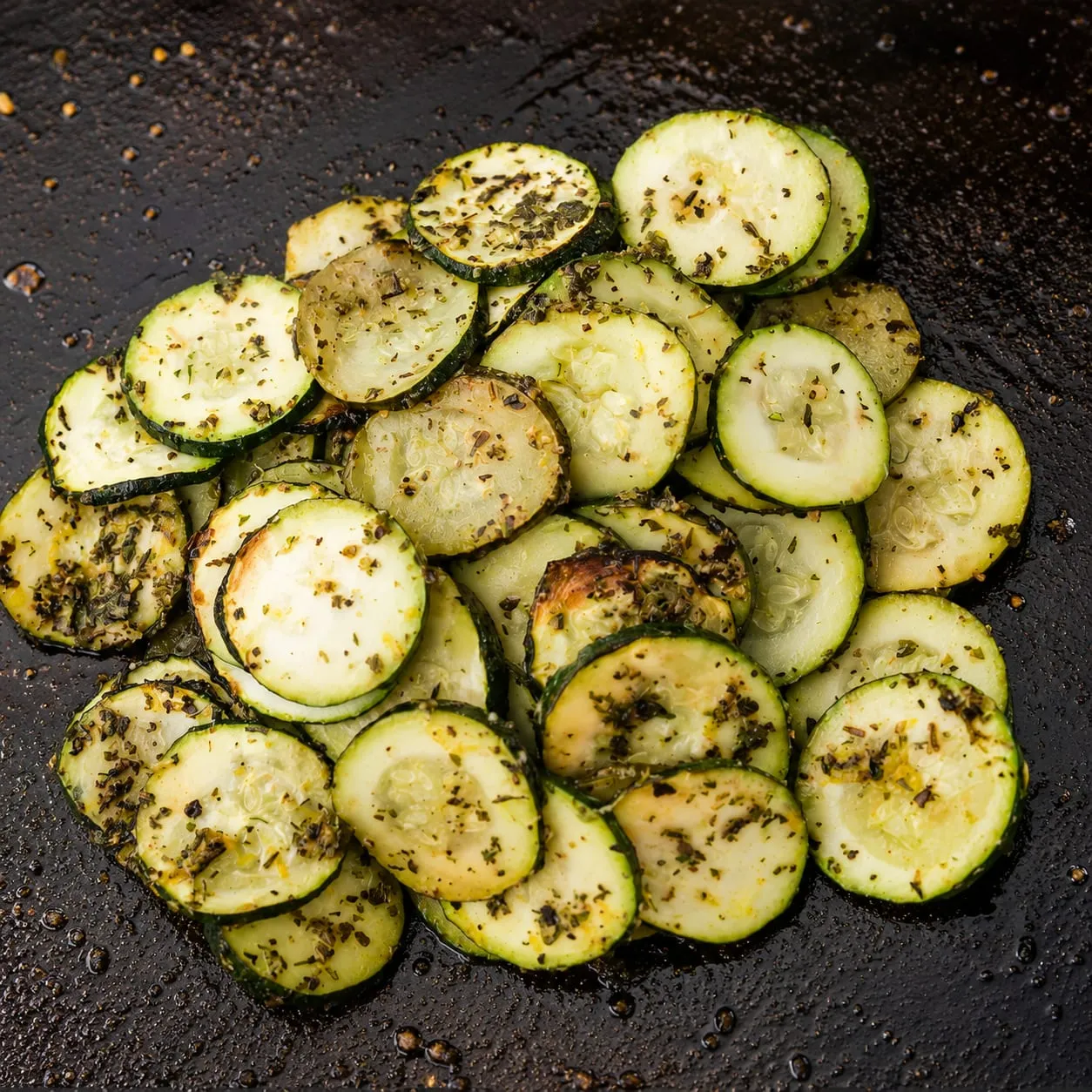
7. Zucchini
Zucchini slices cooked fast on the flat top. The challenge with zucchini is moisture: it releases water as it cooks, which turns it soggy in a pan. High heat and a single layer solve the problem: the moisture evaporates off the hot steel instead of pooling.
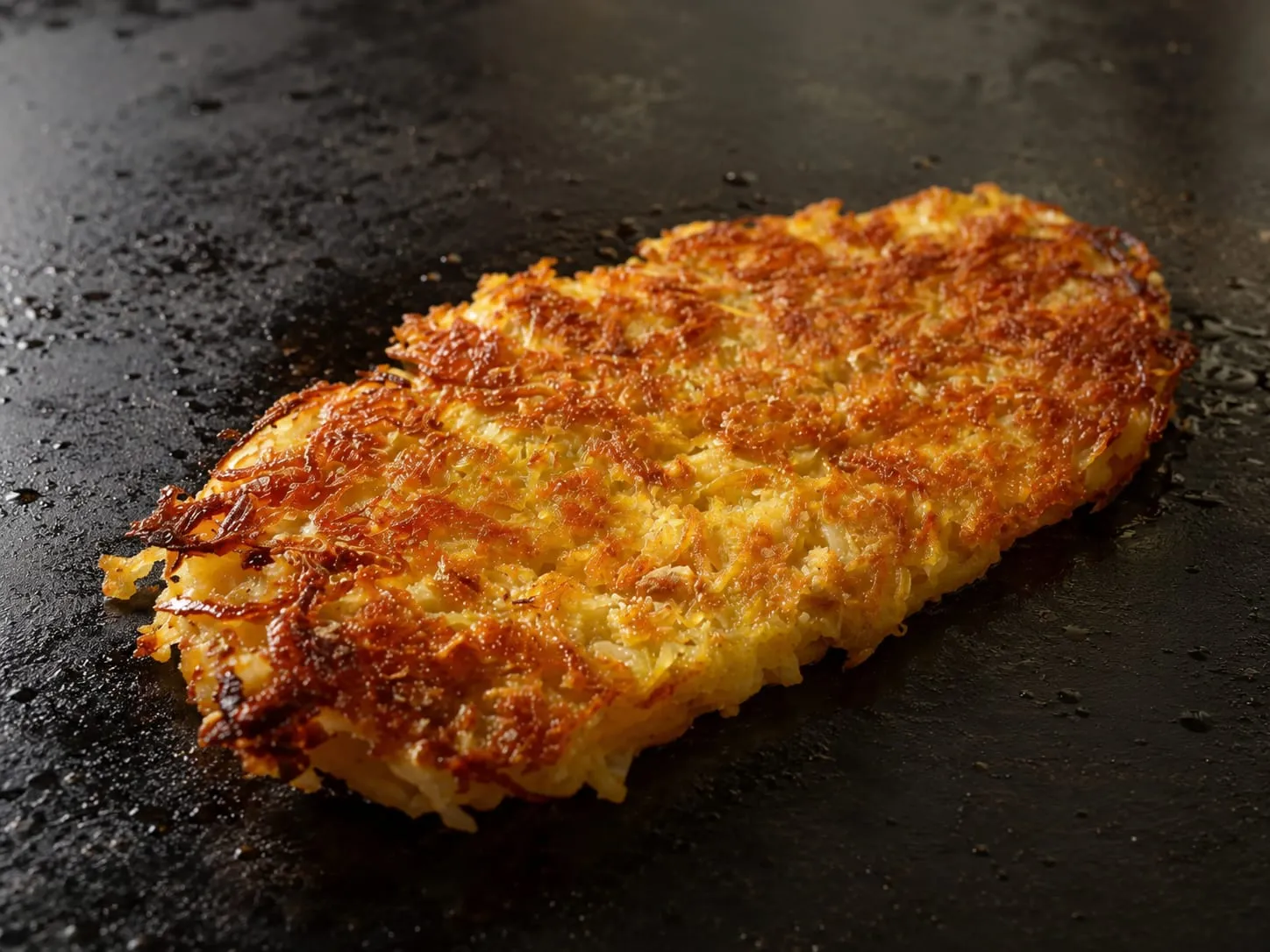
8. Hash Browns
Shredded potatoes pressed flat against the hot steel, cooked until deeply golden and crispy all over. The flat top gives hash browns the contact area they need to crust up properly. A small pan can’t give you this result at scale without the outer edge overcooking while the center stays pale.
9. Fried Rice
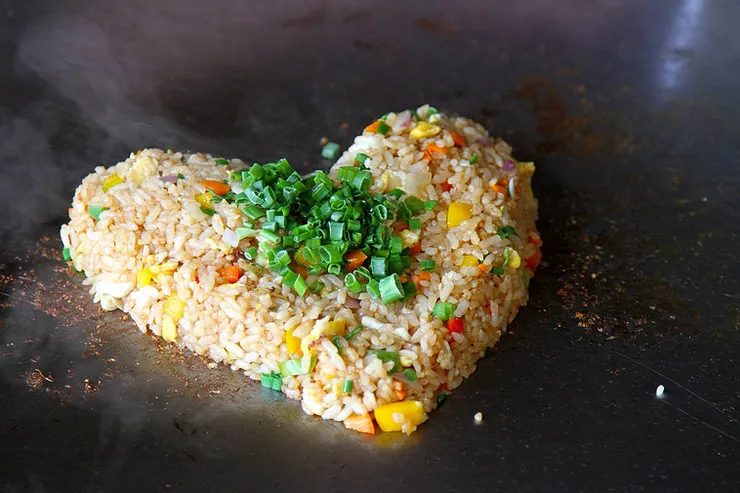
Fried rice as a side alongside any protein. Day-old rice, soy sauce, egg, and whatever vegetables you have, everything on the high-heat steel in sequence, tossed and browned. The Blackstone gives you better char and wok-like texture than any home burner.
10. Sweet Potatoes
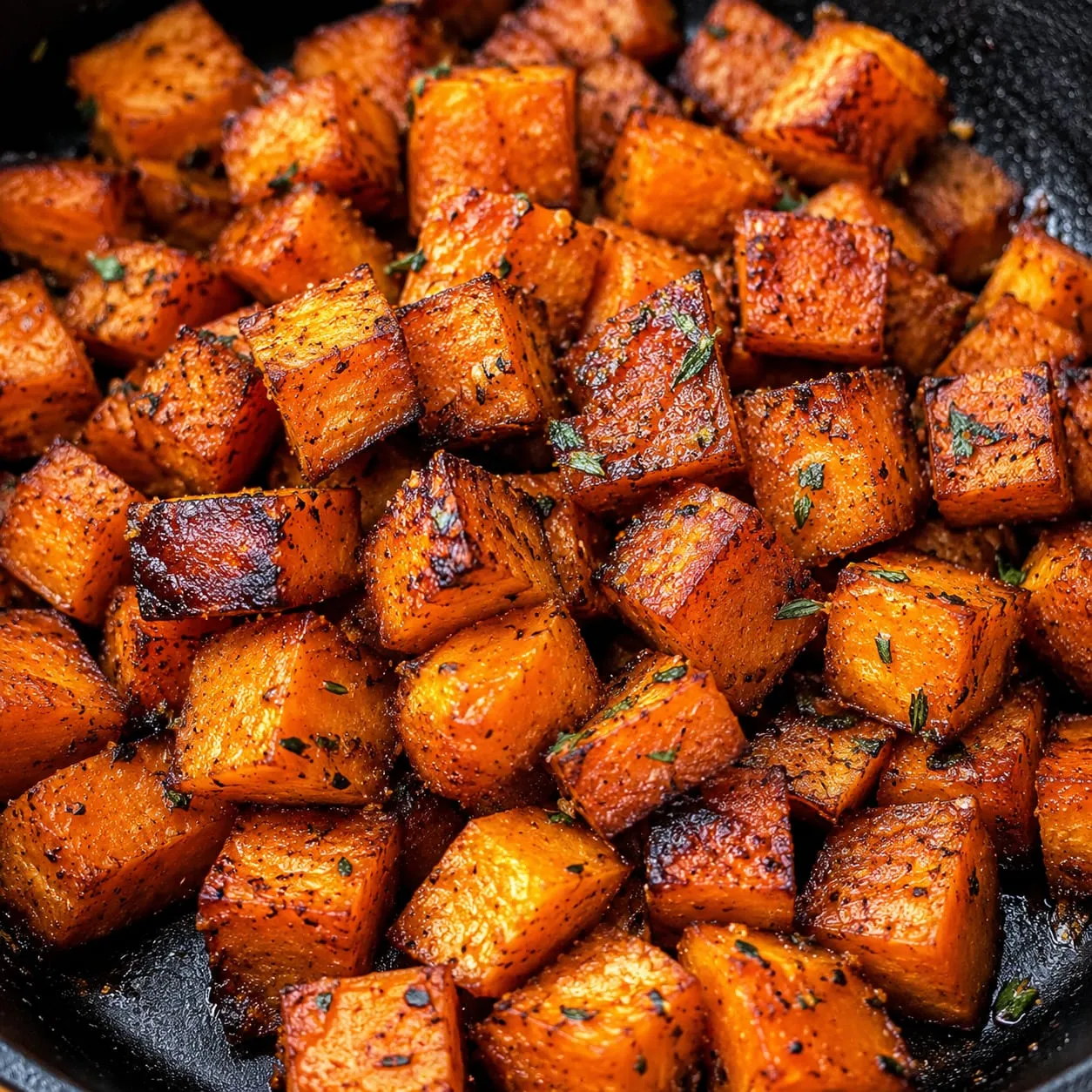
Sliced ¼-inch thick and seared in butter with brown sugar and cinnamon for deep caramelized edges, or cubed into crispy roasted bites seasoned with smoked paprika and garlic powder. The Blackstone’s direct heat caramelizes the natural sugars better than any oven at 375°F.
Best on the Blackstone because: direct steel contact caramelizes the cut surfaces in a way oven heat can’t replicate.
11. Baked Potatoes
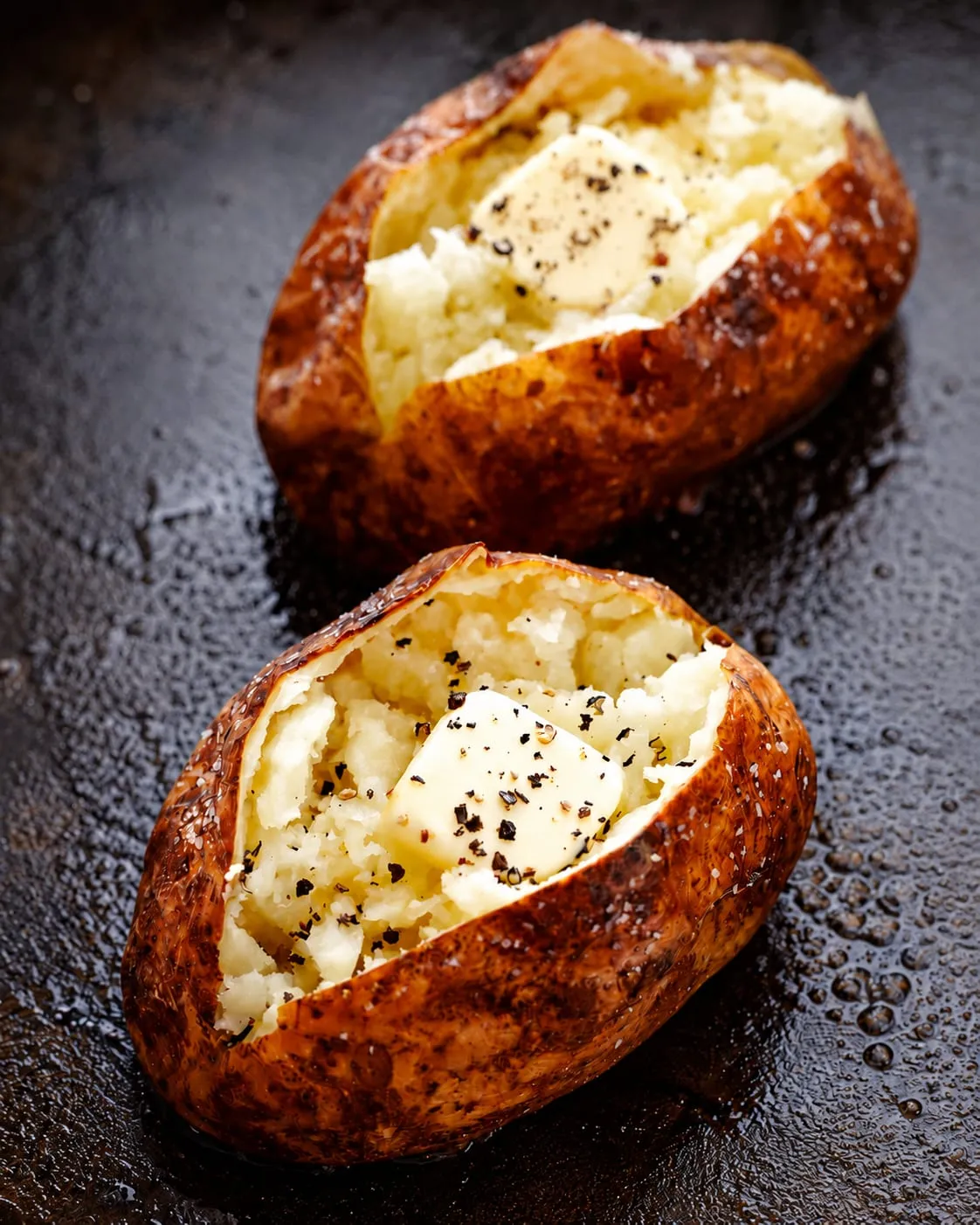
Par-cook in the microwave (8-10 minutes until tender), rub with oil and coarse salt while still hot, then crisp on the griddle at 375°F for 12-16 minutes, rotating every 3-4 minutes. Better skin than any oven-baked potato, done in a third of the time.
Best on the Blackstone because: the flat steel crisps the potato skin with direct contact heat, something an oven can’t do as effectively.
12. Cabbage
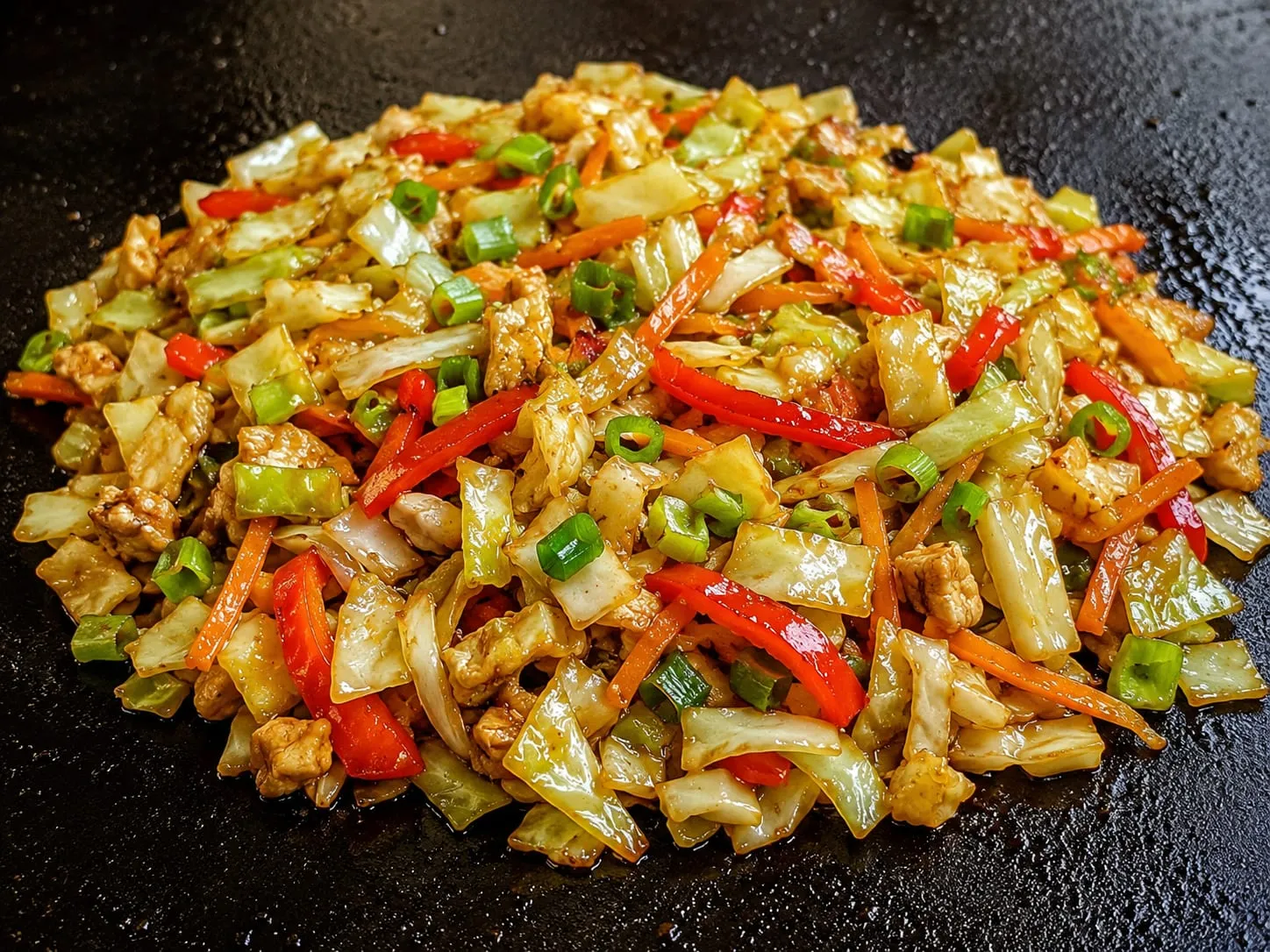
Thick cross-section slabs caramelized at 375-400°F: high, direct heat does what boiling and steaming can’t. 5-6 minutes per side produces charred, sweet edges and a tender interior. Also excellent shredded as a quick stir-fry with sesame oil, soy, and garlic.
Best on the Blackstone because: the high, sustained surface heat drives off moisture and develops caramelization rather than steaming the cabbage.
13. Nachos
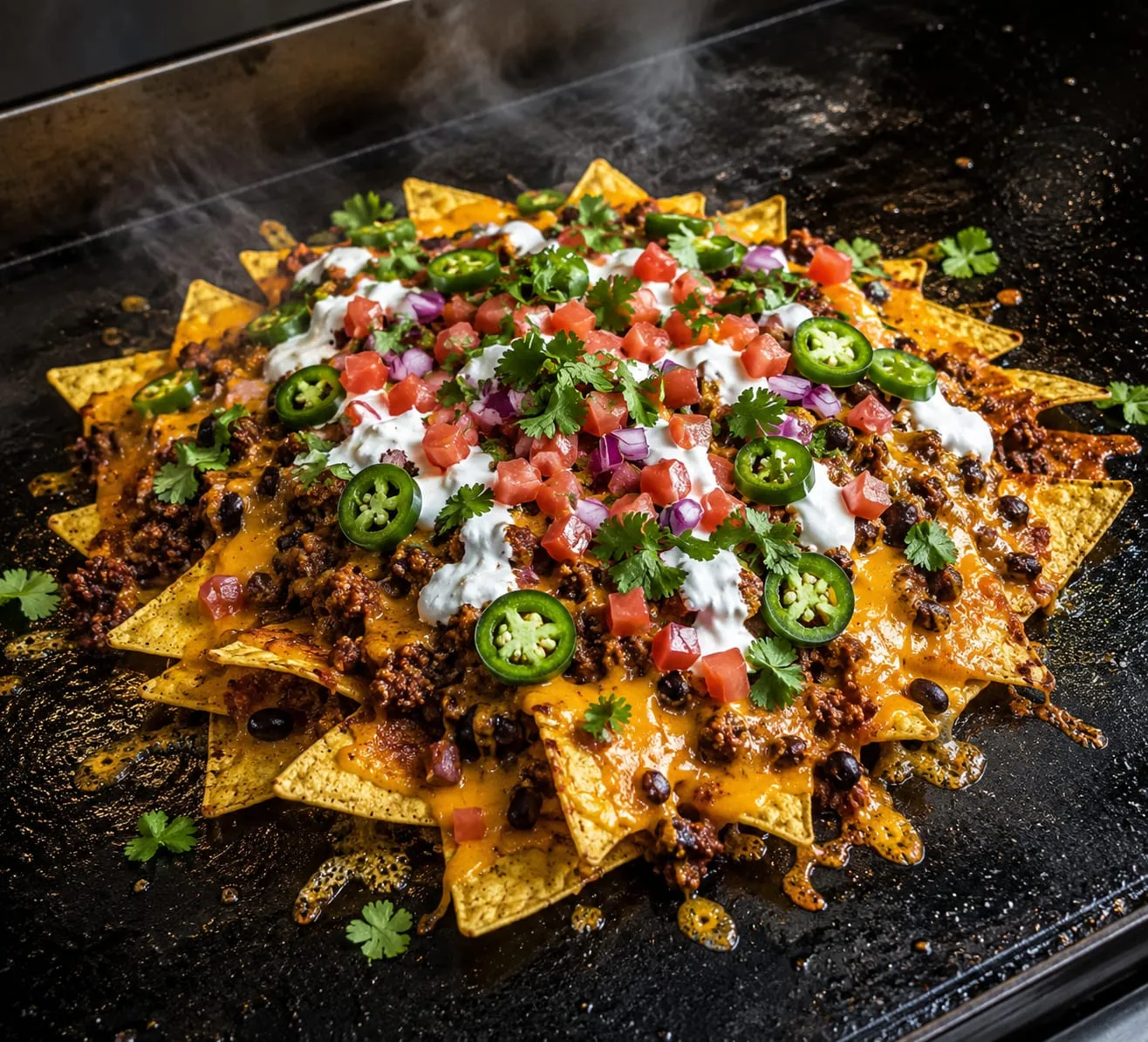
Built in a cast iron skillet or foil pan sitting on the griddle: cook the seasoned ground beef on the flat top first, layer the nachos in the pan, and melt the cheese at 350°F under the closed hood or a foil tent. Cold toppings (sour cream, guacamole, pico) go on after. A crowd-pleasing side or snack.
14. Naan
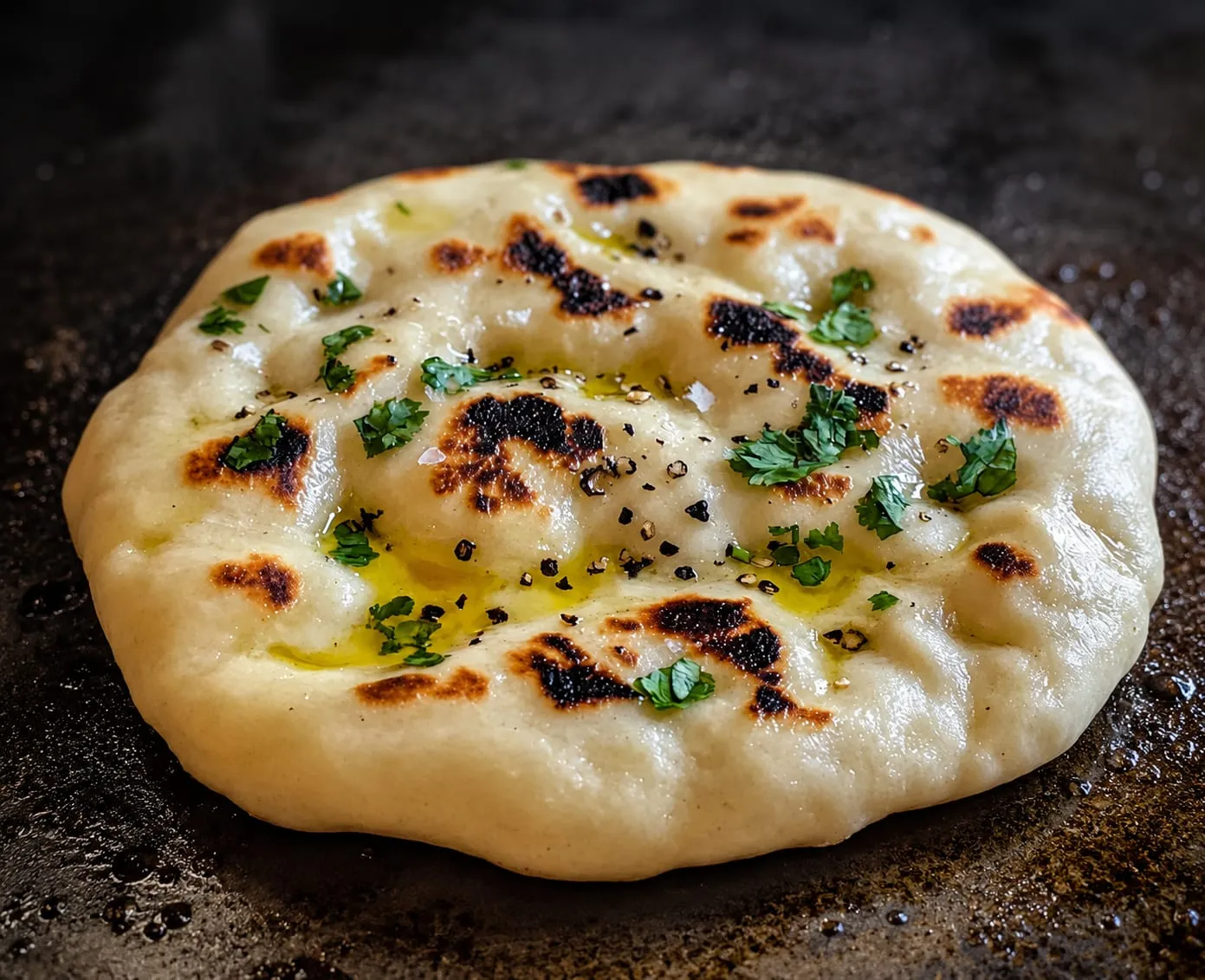
A simple yogurt dough that cooks in about 2-3 minutes per side on a hot griddle, puffing and charring in spots the way tandoor naan does. The high heat (400°F+) is what makes it work: you get dark charred bubbles and a pillowy, chewy interior. Brush with garlic butter off the griddle and serve alongside any flat-top meal.
15. Mushrooms and Onions
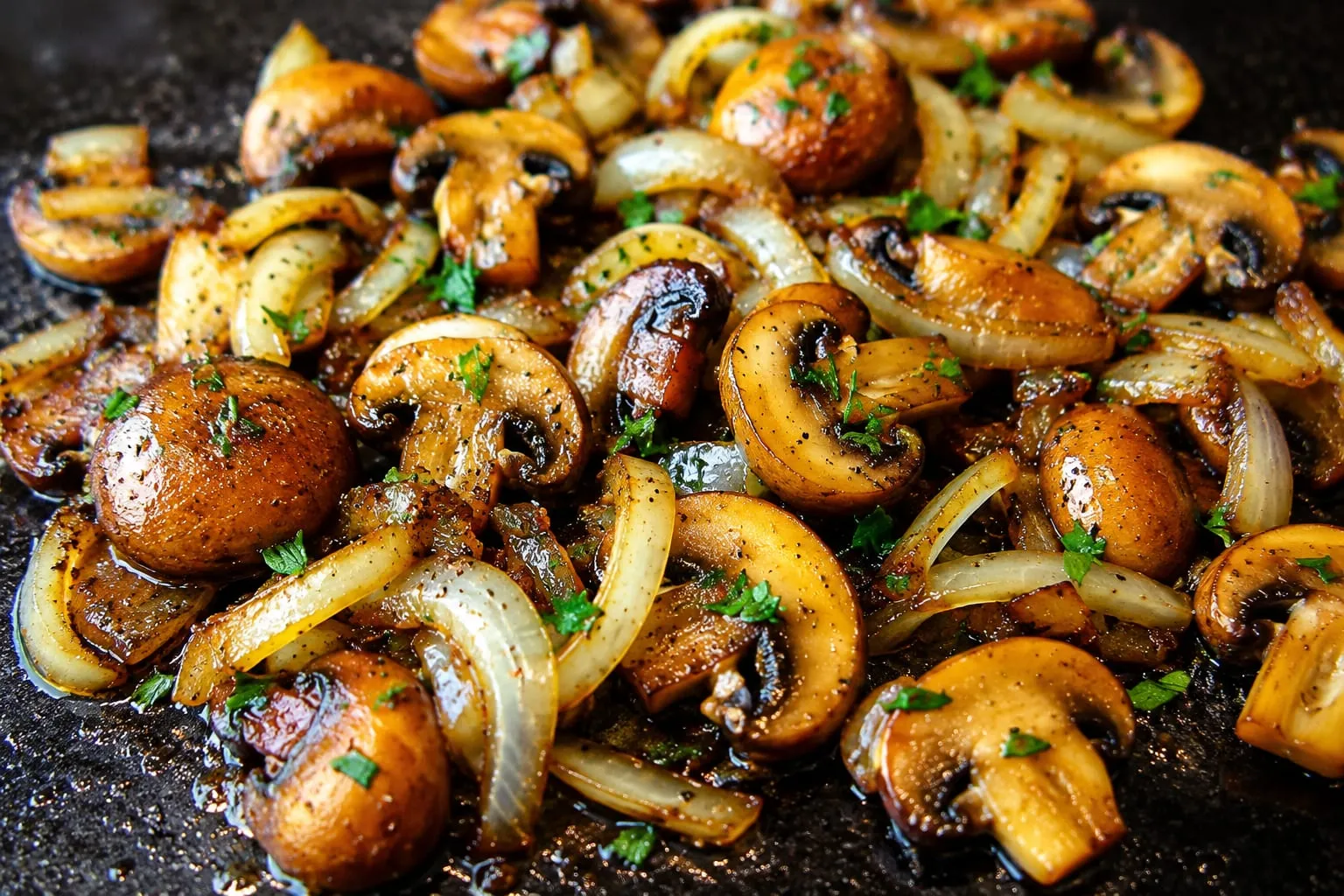
Caramelized onions cooked low and slow on one zone while mushrooms sear hot on another, the flat-top’s two-zone trick for the ultimate steak and burger topping. Jammy onions, meaty mushrooms, none of the watery steaming a skillet gives you.
Full mushrooms and onions recipe →
16. Green Beans
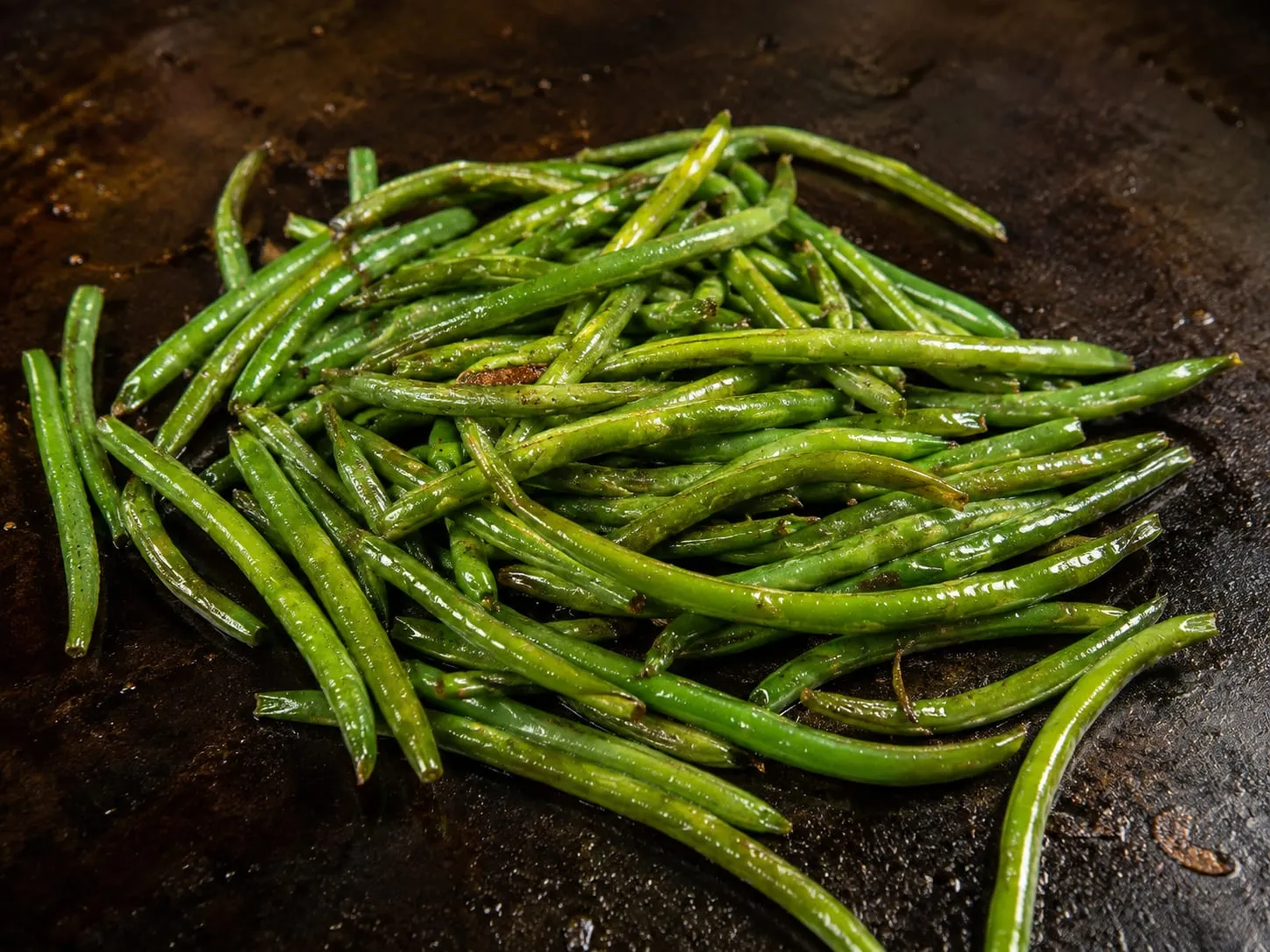
Blistered green beans in about 10 minutes, charred hard in spots and finished under a dome so the centers snap instead of squeak. Four versions in the full recipe: garlic butter, soy-garlic, bacon, and lemon almond. The high, dry heat gives them a blister you cannot get out of a pot of water.
Best on the Blackstone because: the hot steel blisters the skins before the insides overcook, then a quick dome steams the centers to crisp-tender.
17. Brussels Sprouts
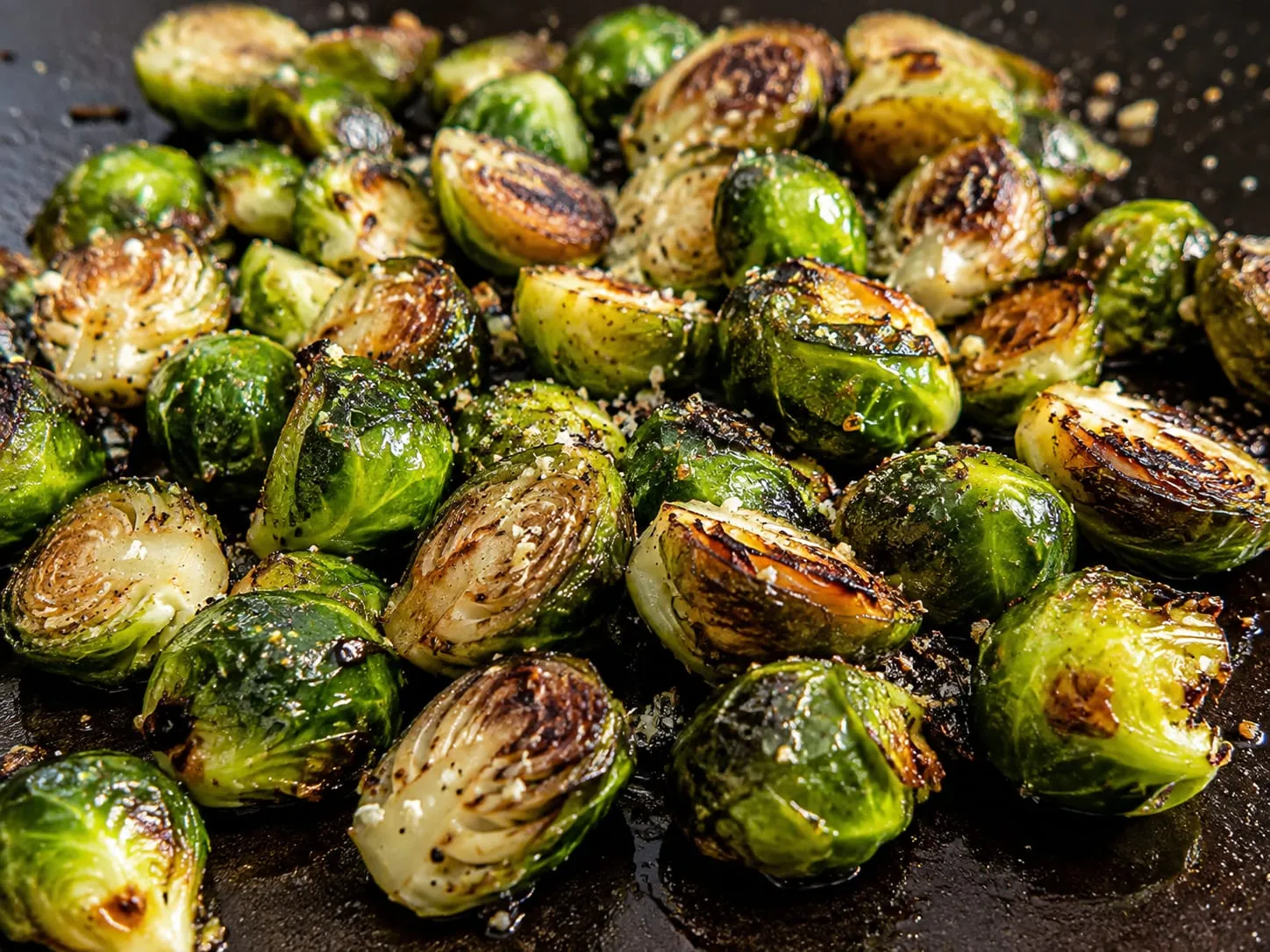
Halved and pressed cut-side down against hot steel until the flat faces caramelize hard, then finished under a dome so the leaves inside steam tender. Balsamic glaze is the base method, with bacon, garlic parmesan, and maple mustard variations.
Best on the Blackstone because: the wide, hot surface sears the cut face harder and faster than an oven, and the flat-top dome trick finishes the dense core without losing the char.
Full Brussels sprouts recipe →
18. Bacon Fried Corn
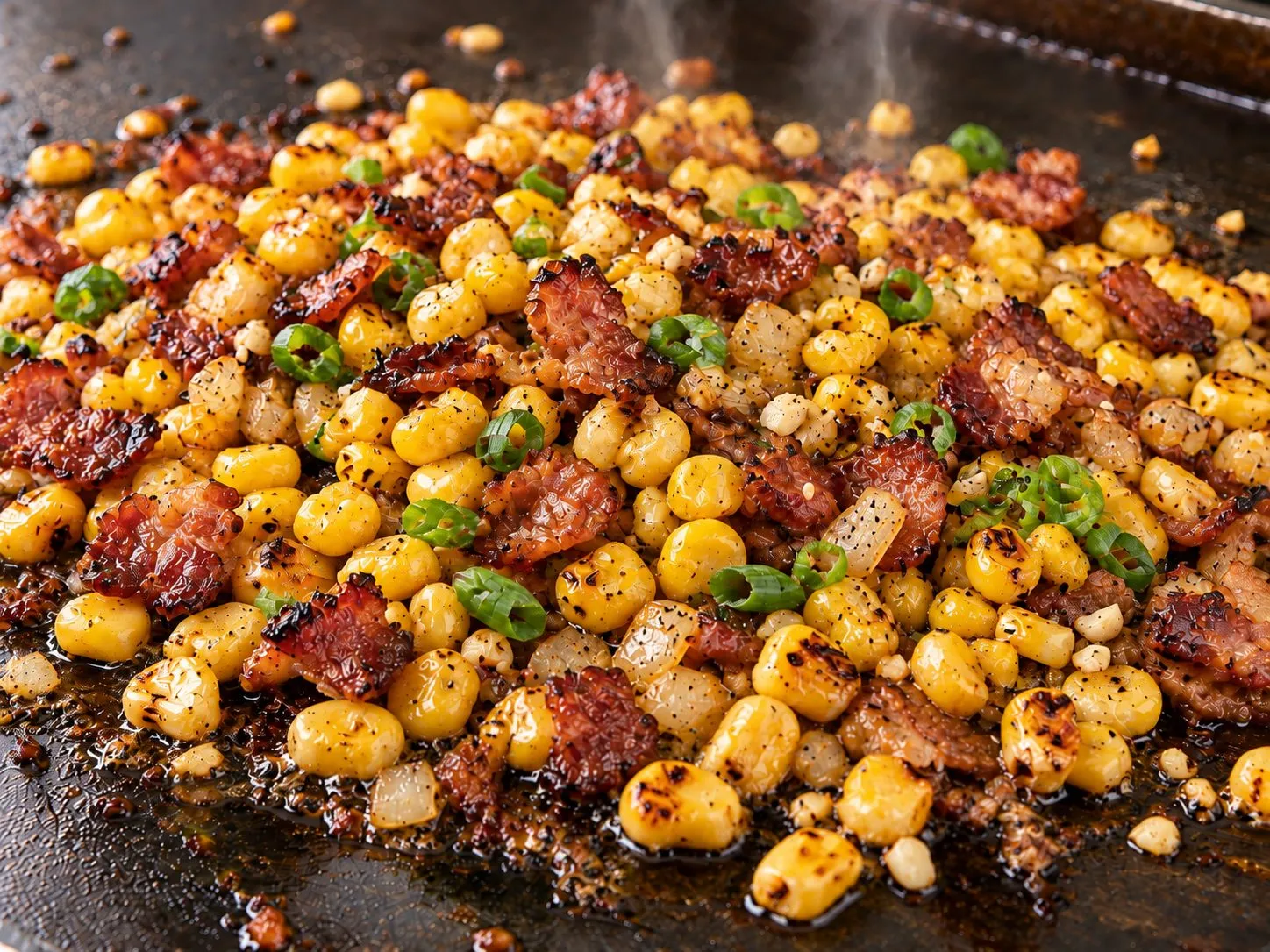
Corn kernels charred in rendered bacon fat with onion and garlic, folded back together with the bacon itself. A Southern skillet side built for the flat top instead of a stovetop pan.
Best on the Blackstone because: the wide surface renders the bacon and chars the corn in the same zone, and the kernels pick up real color where a crowded skillet would just steam them.
Full bacon fried corn recipe →
Tips for Side Dishes on a Blackstone
Give everything room. Crowding is the enemy of browning. Vegetables release moisture as they cook. Pile them too close and they steam instead of sear. Use the full cooking surface.
Medium-high heat for most vegetables. 375-400°F is the right range, high enough to char the surfaces, low enough to cook through without burning.
Par-cook potatoes and dense vegetables. Raw potatoes take too long on the griddle and the exterior burns before the center cooks. Microwave for 3-4 minutes or briefly boil, then finish on the hot steel.
Season after, not just before. Salting vegetables early draws moisture out. Add finishing salt and acid (lemon, vinegar) just before plating.
Cook sides alongside the protein. The Blackstone’s wide surface is designed for this: proteins on one zone, vegetables on another, everything finishes at the same time.
More Blackstone recipe collections: Dinner Ideas · Chicken Recipes · Breakfast Recipes · Vegetarian Recipes
Frequently Asked Questions
What vegetables can you cook on a Blackstone griddle?
Almost anything: asparagus, broccoli, cauliflower, zucchini, corn, peppers, onions, mushrooms, green beans, snap peas, Brussels sprouts, and more. The rule is the same for all: high heat, single layer, don’t crowd.
What temperature do you cook vegetables on a Blackstone?
Medium-high, 375-400°F for most vegetables. Dense vegetables like cauliflower and potatoes benefit from a slightly lower temperature (350°F) and longer cook time.
Do you need oil for vegetables on a Blackstone?
Yes. A light coat of avocado or vegetable oil keeps vegetables from sticking and promotes browning. Toss them in oil before they go on, or apply oil to the griddle surface first.
Can you cook side dishes at the same time as the protein on a Blackstone?
Yes. This is one of the main advantages of the flat top. Cook proteins on one burner zone at high heat while vegetables cook on an adjacent zone at medium heat. Everything finishes together.
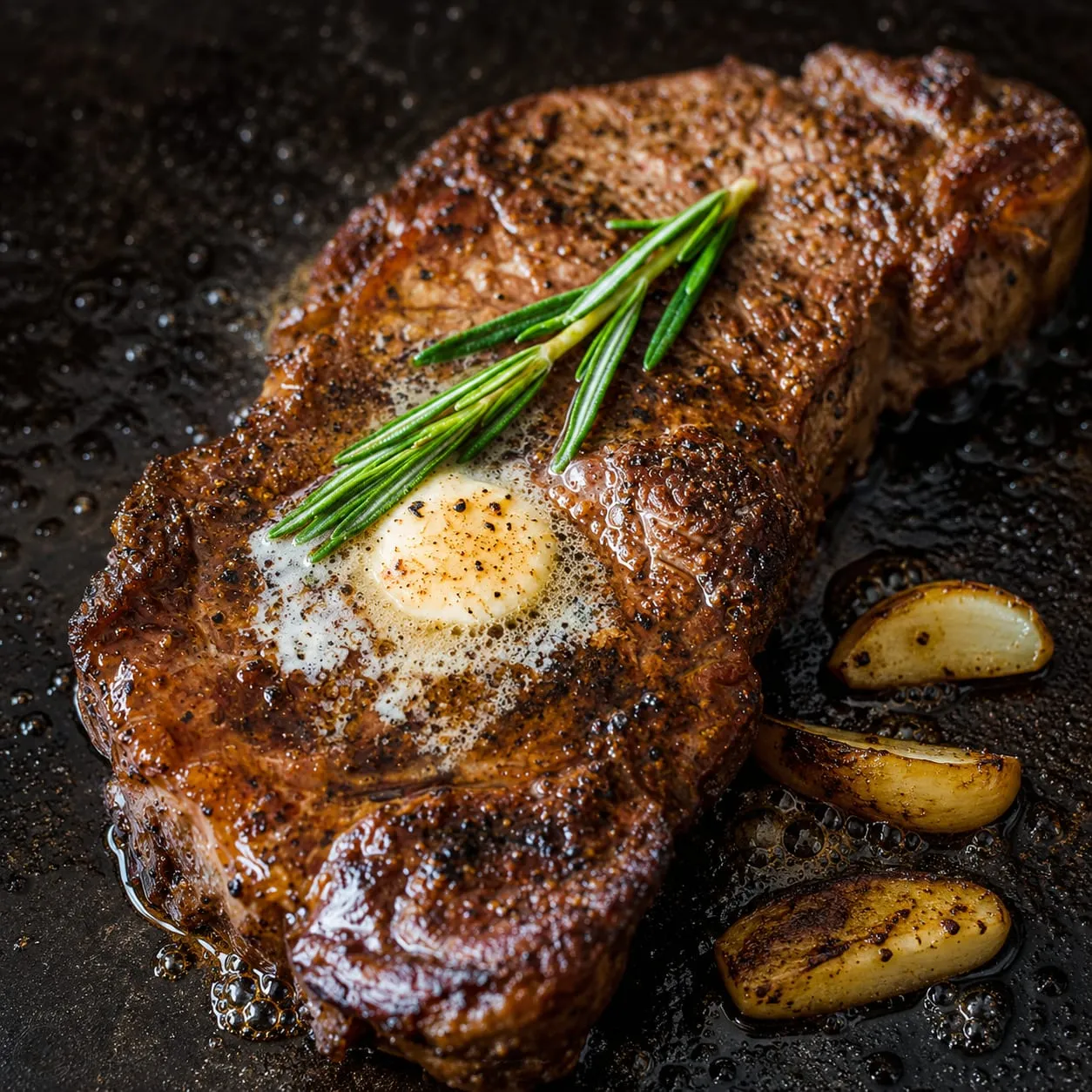
Best Blackstone Steak Recipes (Ribeye, Filet Mignon, Skirt, and More)
Every steak recipe on this site in one place: ribeye and strip, filet mignon, skirt steak with chimichurri, carne asada, fajitas, and steak bites, with the pull temp for each cut.
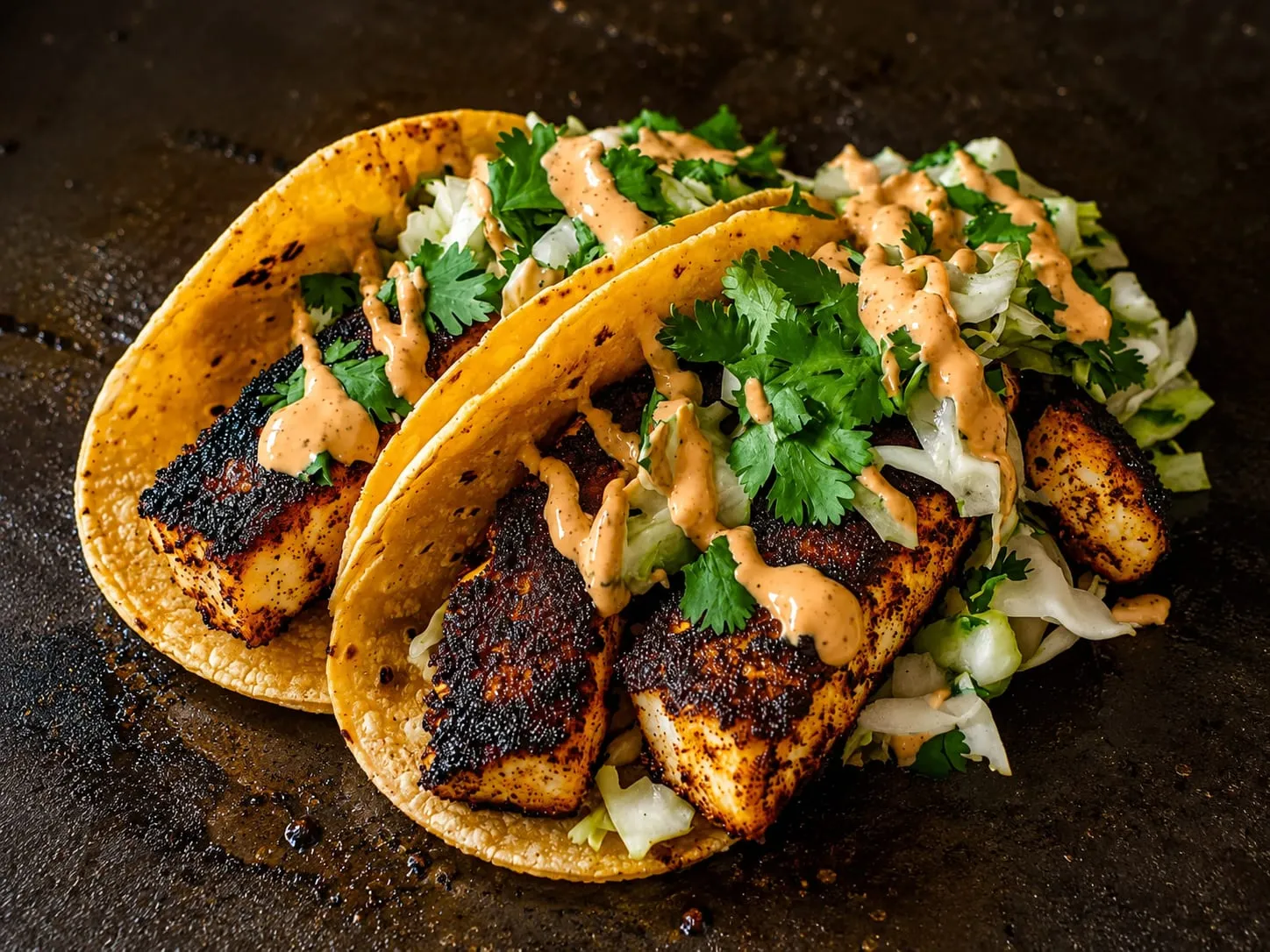
Gluten-Free Blackstone Recipes (30 Flat-Top Meals)
Gluten-free Blackstone recipes across proteins, tacos, vegetables, and sauces, plus the honest limitation of cooking gluten-free on a griddle that also cooks bread and buns.
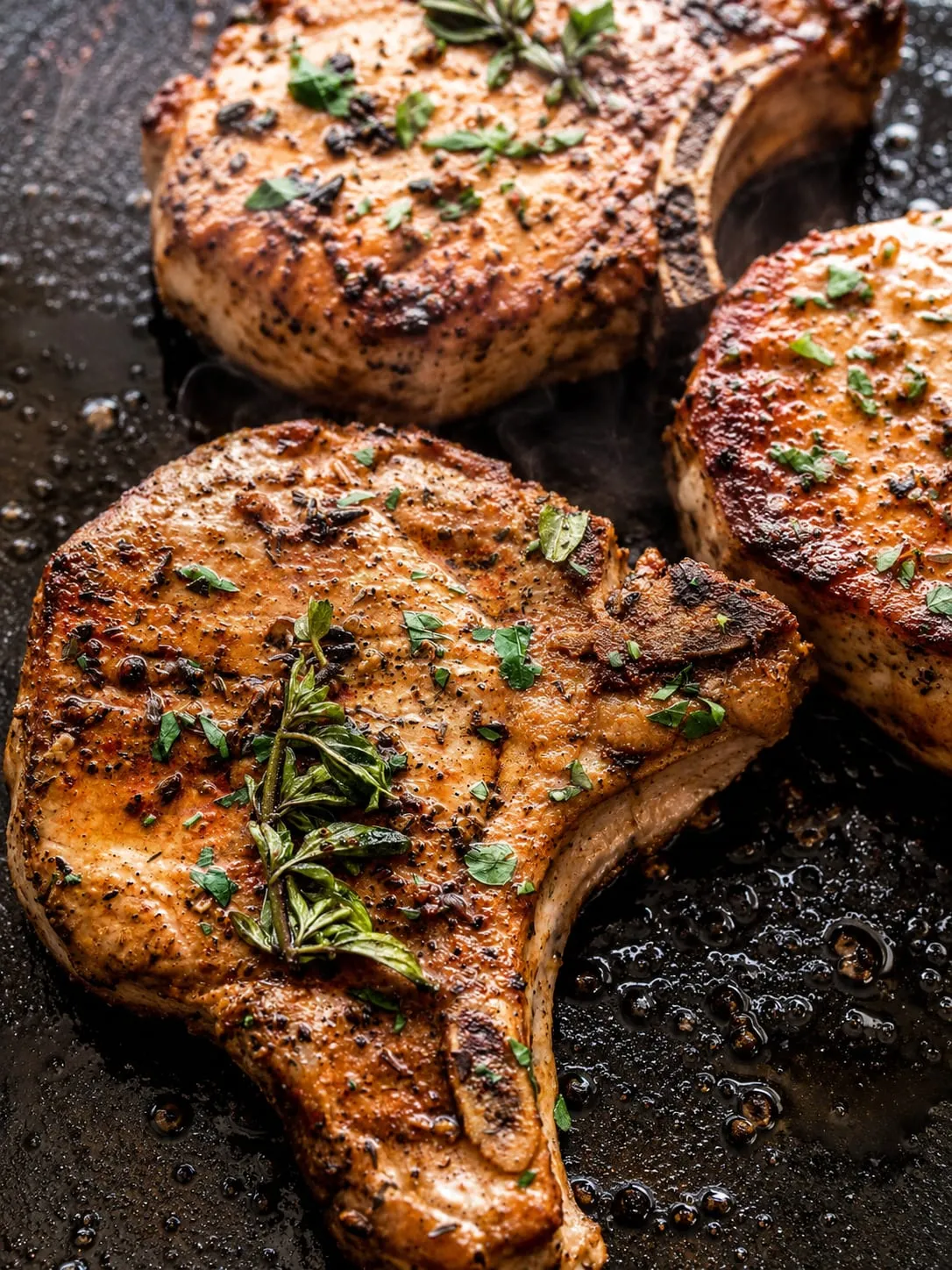
Best Blackstone Pork Recipes (Chops, Tenderloin, Brats, and More)
The best pork recipes for a Blackstone griddle: chops, tenderloin, bratwurst, and a pressed Cuban, plus the two internal temperatures that keep pork from drying out.