
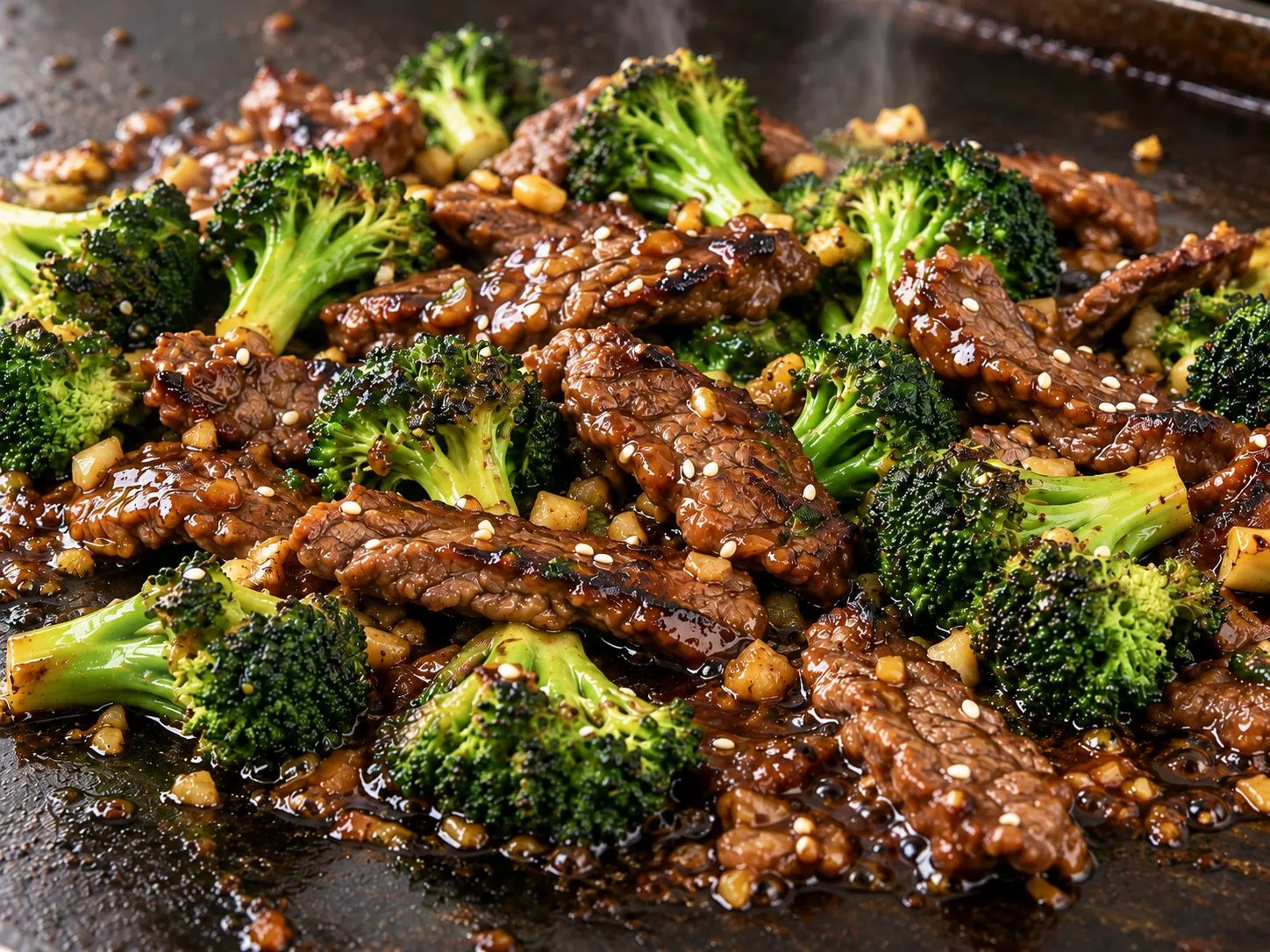
Blackstone Beef and Broccoli
Beef and broccoli is a different build than a mixed stir fry: one protein, one vegetable, a thick glossy sauce, and rice on the side instead of noodles tossed through. It comes down to two things most home versions skip: slicing the beef against the grain, and velveting it first. The flat top handles the rest, a screaming-hot surface that sears the beef hard and chars the broccoli without steaming either one.
Ingredients
Beef and Velveting Marinade:
- 1.5 lbs flank steak or sirloin, sliced thin against the grain
- 1 tbsp soy sauce
- 1 tbsp cornstarch
- 1 tsp baking soda
- 1 tsp sesame oil
Broccoli:
- 4 cups broccoli florets
- 3 cloves garlic, minced
- 1 tbsp fresh ginger, grated
- 2 tbsp avocado oil, divided
Sauce:
- ⅓ cup oyster sauce
- 2 tbsp soy sauce
- 1 tbsp brown sugar
- 1 tsp sesame oil
- 1 tsp cornstarch
- ⅓ cup beef broth or water
For serving:
- Steamed rice
- Sesame seeds
Instructions
Step 1: Velvet the beef Toss the sliced beef with the soy sauce, cornstarch, baking soda, and sesame oil. Let it sit at room temperature for 15-20 minutes. The baking soda raises the surface pH of the meat, which keeps it from tightening up under high heat, the difference between takeout-tender beef and the chewy version most home stir fries produce.
Step 2: Mix the sauce Whisk together the oyster sauce, soy sauce, brown sugar, sesame oil, cornstarch, and beef broth in a small bowl. Set it next to the griddle. Once the beef and broccoli are cooking, this moves fast.
Step 3: Preheat Set the Blackstone to high (450°F+) and preheat 10 minutes. Add 1 tablespoon of avocado oil.
Step 4: Sear the beef Lay the beef in a single layer. Don’t crowd it, work in two batches if your griddle is small. Sear undisturbed 1-2 minutes per side until deeply browned outside and just short of done inside; it will finish cooking when it goes back in with the sauce. Push to a cooler zone.
Step 5: Char the broccoli Add the remaining oil to the hot zone. Add the broccoli florets, spread into a single layer, and let them sit undisturbed for 2 minutes before tossing. Cook 3-4 minutes total, tossing occasionally, until charred at the edges but still crisp. Add the garlic and ginger in the last 30-60 seconds.
Step 6: Combine and sauce Return the beef to the broccoli zone. Pour the sauce over everything and toss to coat. Cook 60-90 seconds, tossing constantly with two spatulas, until the sauce thickens and glazes the beef and broccoli. Pull the beef at 145°F internal for medium; carryover heat brings it up slightly as it sits.
Step 7: Serve Serve over steamed rice, topped with sesame seeds.
Why This Isn’t Just Chicken Stir Fry With a Different Protein
The chicken stir fry on this site is a mixed-vegetable, noodle-tossed dish built around a lighter soy-hoisin sauce. Beef and broccoli is structured differently on purpose:
The cut and the slice direction matter more here. Flank and sirloin have a pronounced grain. Sliced against it, thin strips turn tender fast under high heat. Sliced with it, the same cut turns chewy no matter how well you cook it.
Velveting is a beef-specific technique. Chicken doesn’t need the baking soda treatment; its muscle fibers are already tender enough. Beef, especially a lean cut cooked fast and hot, benefits from it in a way chicken doesn’t.
One vegetable, not four. Broccoli is the whole vegetable component here, cooked long enough to char at the edges. A mixed stir fry adds several vegetables in stages specifically so none of them overcook; beef and broccoli only has to solve for one.
Sauce over rice, not tossed with noodles. The oyster-sauce-forward glaze coats rather than dresses, thick enough to cling to both the beef and the broccoli, meant to sit on top of rice rather than get absorbed into noodles.
Tips
Slice thin and against the grain. Look at the direction the muscle fibers run and cut across them, not parallel to them. This is the single biggest factor in how tender the beef turns out.
Don’t skip the velveting rest. Fifteen minutes is enough. Skipping it or rushing it is the most common reason homemade beef and broccoli comes out tough instead of takeout-tender.
Work in batches if you need to. Crowded beef steams instead of searing. A hot, mostly-empty zone browns it properly in under two minutes a side.
The sauce thickens fast. Have everything else finished before it goes in. Once the cornstarch hits the hot surface, you have about a minute before it’s ready to pull.
What to Serve With It
Steamed rice is the standard pairing; if you want a griddle-made rice side, Blackstone fried rice works, though it turns this into a heavier meal. For more of the same Asian-inspired lineup, see lo mein or egg roll in a bowl.
Storage
Refrigerate leftovers in an airtight container up to 3 days. Reheat on a medium griddle zone or in a skillet with a splash of water or broth to loosen the sauce; a microwave works but can turn the beef slightly rubbery if it runs too long.
More flat-top recipes: Blackstone Asian Recipes · Blackstone Chicken Stir Fry · Blackstone Steak
Frequently Asked Questions
What cut of beef is best for beef and broccoli?
Flank steak or sirloin, sliced thin against the grain. Both have enough structure to sear hard without falling apart, and both turn tender when sliced correctly and velveted before cooking. Ribeye works too but is a pricier choice for a dish where the sauce carries most of the flavor.
What does baking soda do in beef and broccoli?
It velvets the meat. Baking soda raises the pH on the surface of the beef, which loosens the muscle proteins and keeps them from tightening into a chewy texture under high heat. A short 15 to 20 minute rest is enough for thin-sliced beef; longer isn’t necessary.
What temperature should beef and broccoli be cooked to?
Pull the beef at 145°F internal for medium, the USDA-recommended minimum for whole-muscle beef, then let it rest briefly. Since it’s sliced thin and cooks in a couple of minutes per side, use an instant-read thermometer on a thicker piece if you’re unsure rather than guessing by color alone.
Can you make beef and broccoli without a wok?
Yes, a Blackstone griddle handles it better in some ways. The wide flat surface lets you sear the beef in a real single layer instead of crowding a wok’s curved bottom, and you get more direct steel contact on the broccoli for better char.
What’s the difference between beef and broccoli and chicken stir fry?
Beef and broccoli is a single protein and single vegetable in a thick oyster-sauce glaze served over rice. Chicken stir fry mixes several vegetables and tosses everything with noodles in a lighter soy-hoisin sauce. The beef also gets a velveting marinade that chicken doesn’t need.
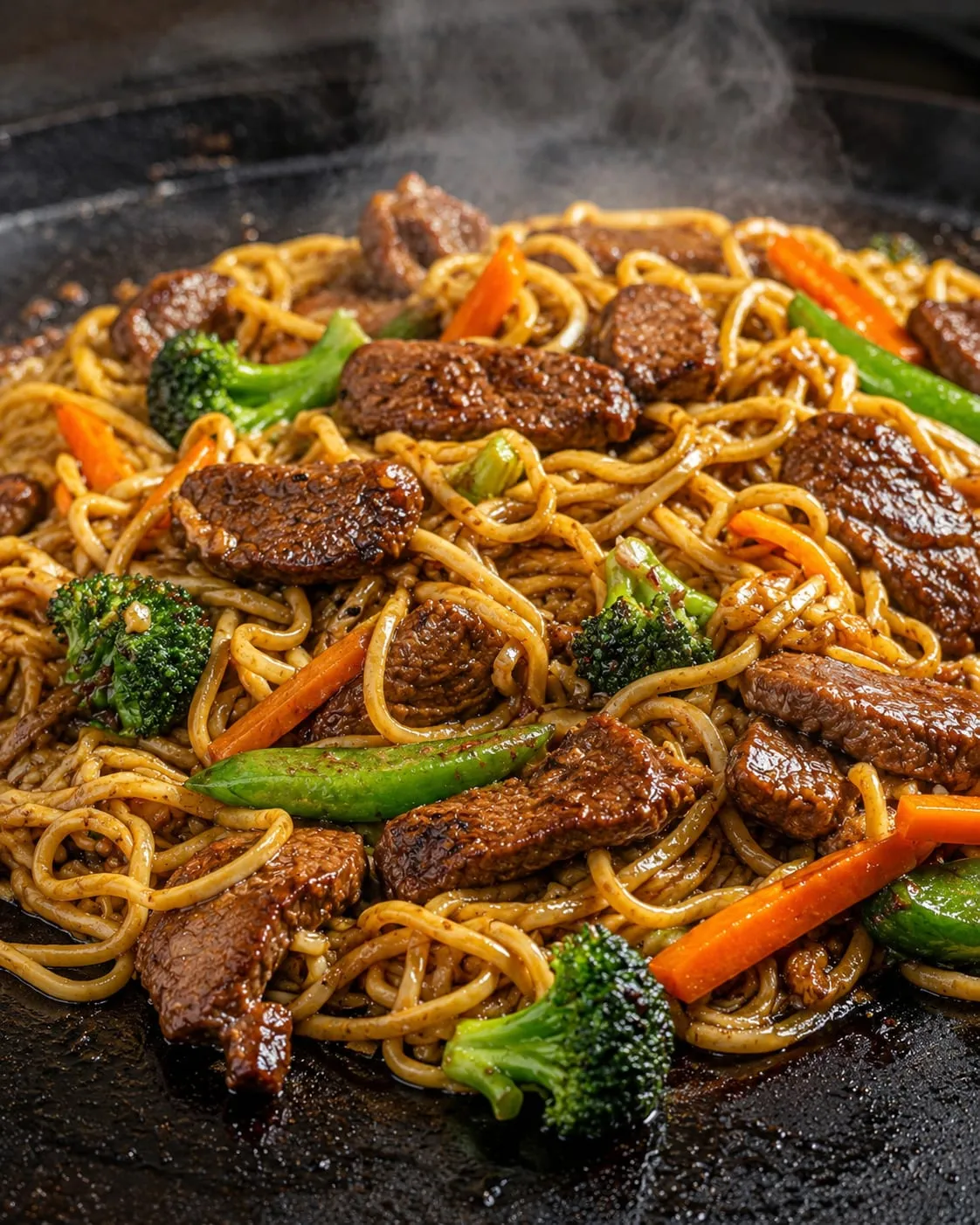
Blackstone Lo Mein: Better Than Takeout on the Flat Top
How to make lo mein on a Blackstone griddle: egg noodles, vegetables, and your choice of protein stir-fried in a savory soy and sesame sauce at high heat.
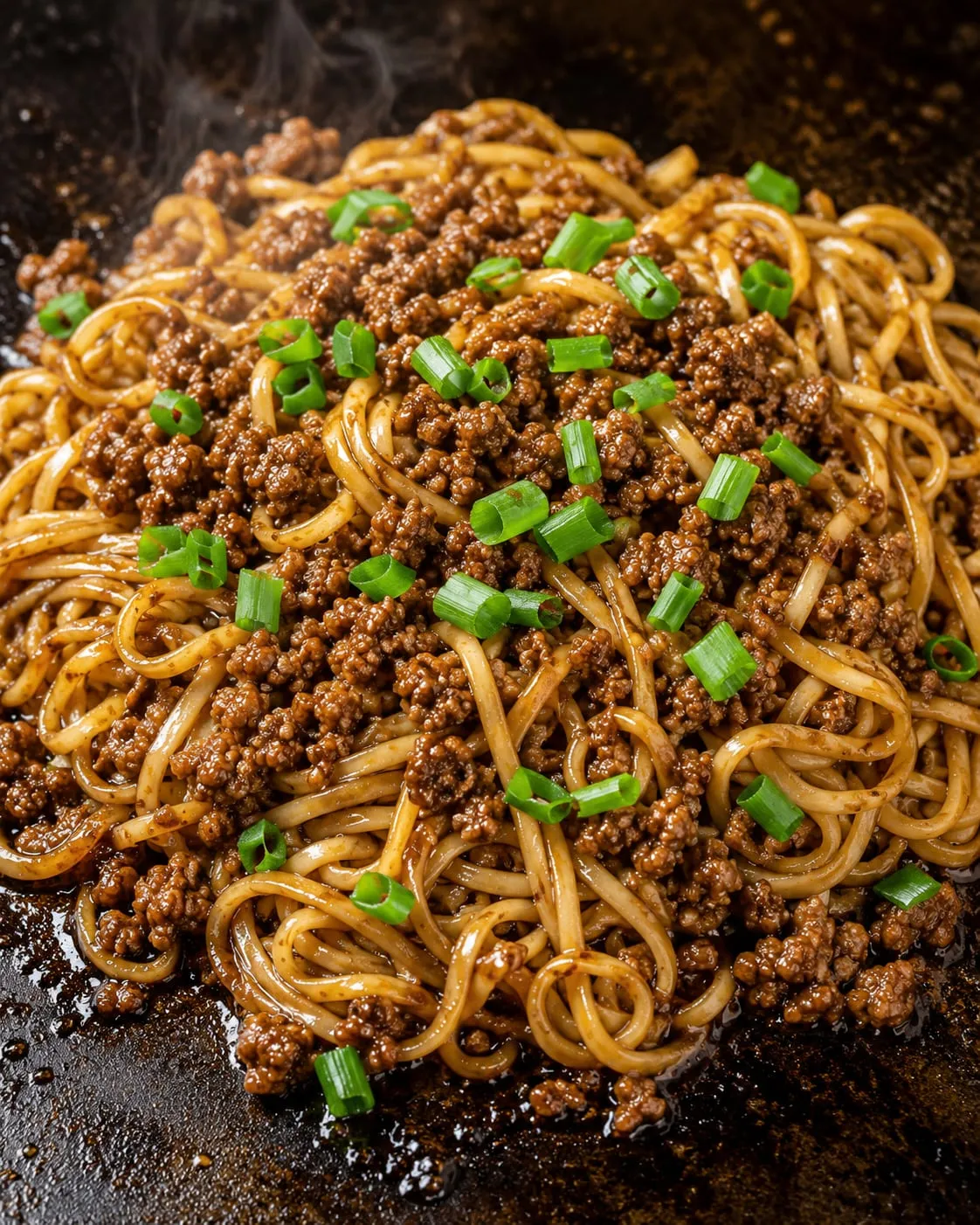
Blackstone Mongolian Ground Beef Noodles: 25-Minute Recipe
Mongolian ground beef noodles on a Blackstone griddle: savory-sweet sauce, tender lo mein noodles, and seasoned ground beef all on one flat-top in under 25 minutes.
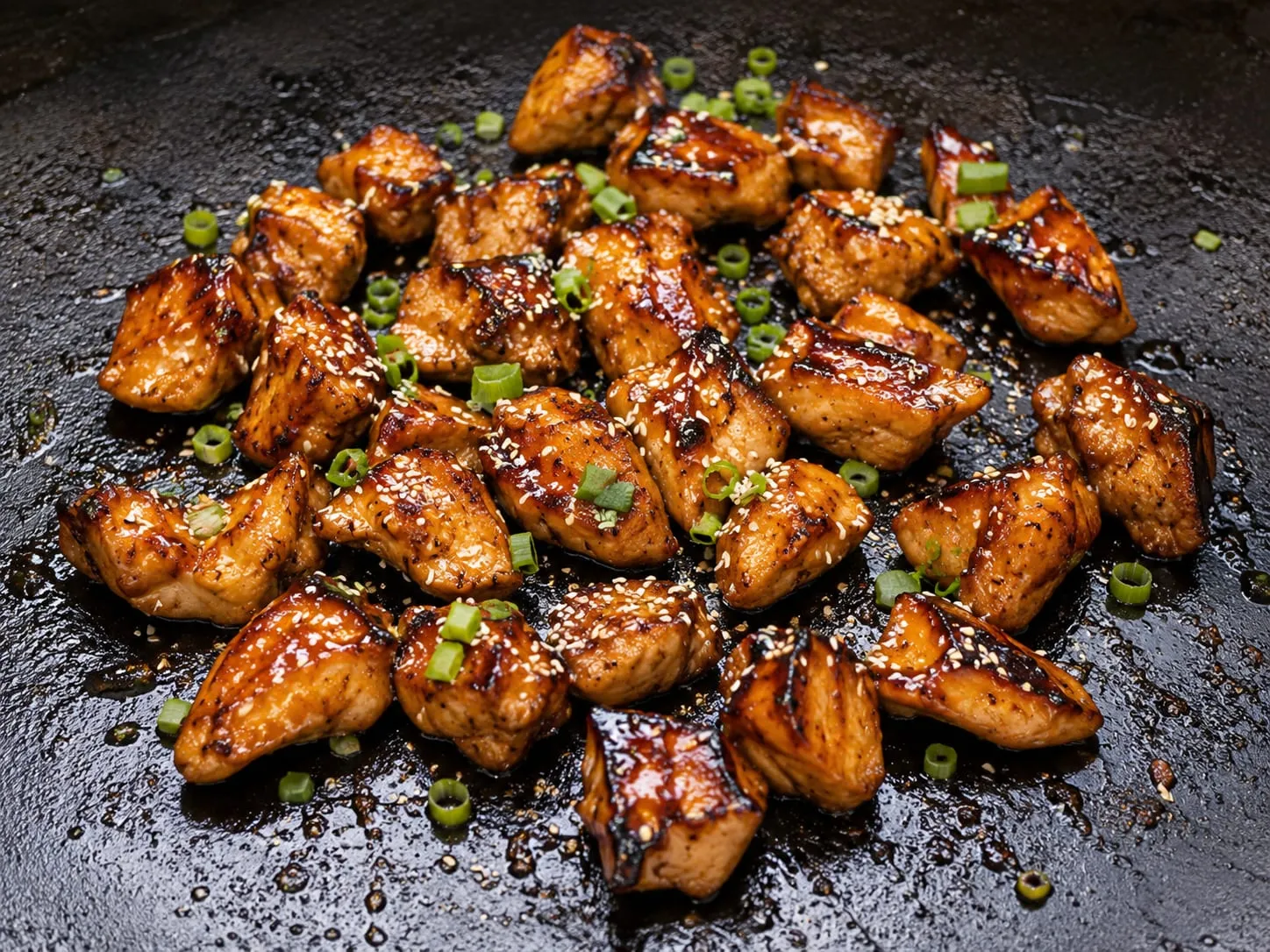
Blackstone Teriyaki Chicken: Caramelized Glaze, Homemade Sauce
Blackstone teriyaki chicken with caramelized thighs, homemade glaze, and stir-fried vegetables over rice, a fast, flavor-packed weeknight dinner on the flat-top.