
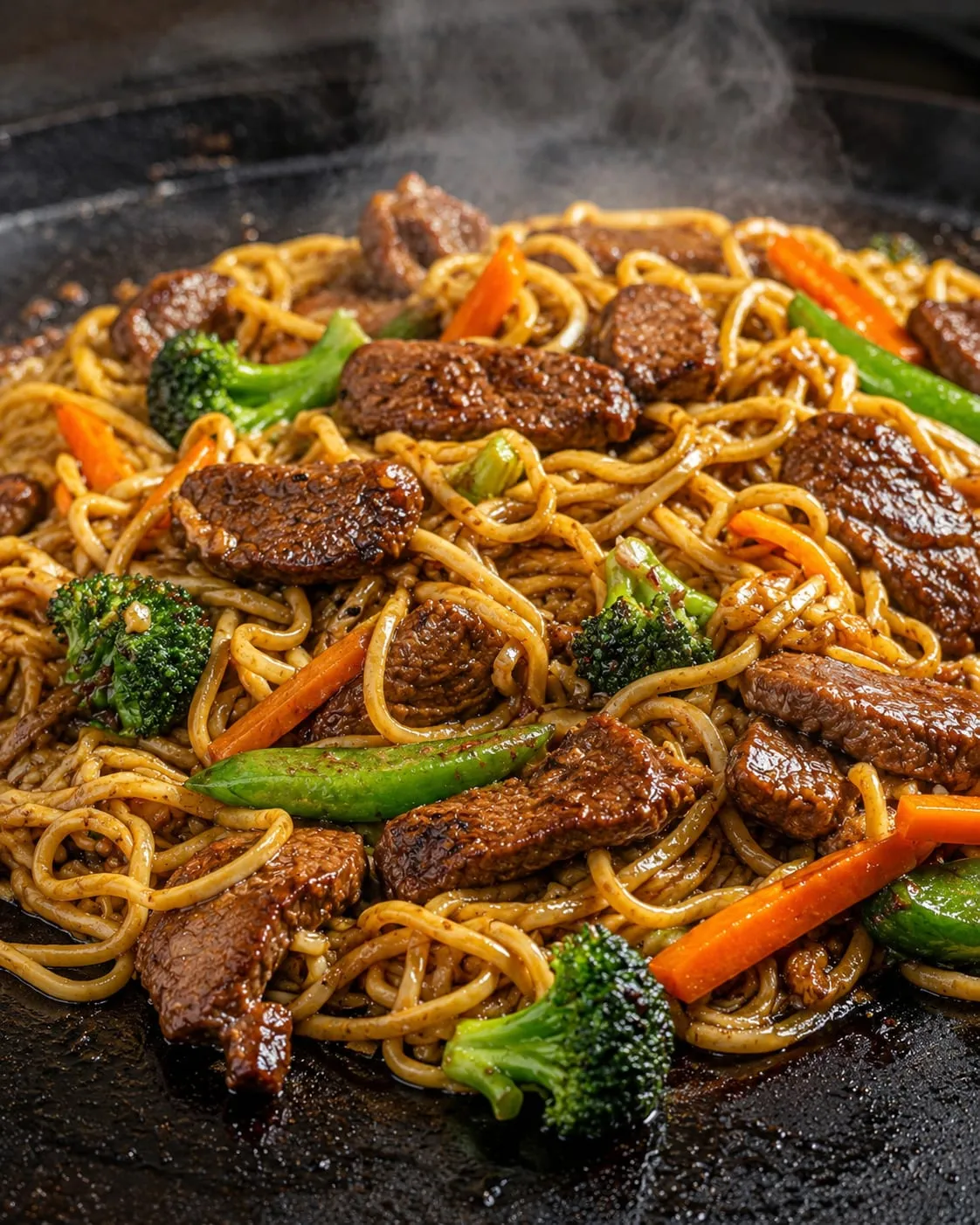
Blackstone Lo Mein: Better Than Takeout on the Flat Top
Lo mein on a Blackstone comes together the way restaurant stir-fry does: fast, hot, and with that smoky char you can’t get from a home stovetop. The large cooking surface lets you cook a full batch of noodles and vegetables at once without crowding them, which is critical: crowded noodles steam instead of fry, and you lose the texture that makes lo mein worth making at home.
The recipe is flexible. Any protein works: chicken, shrimp, pork, ground beef, or tofu. The vegetable combination is also adaptable. What’s non-negotiable is the heat (high), the noodles (pre-cooked and oiled so they don’t stick together), and the sauce (in the bowl before you start so you’re pouring, not measuring, mid-cook).
Ingredients
Lo Mein:
- 12 oz fresh lo mein noodles (or 8 oz dried, cooked and cooled)
- 1 lb protein of choice: chicken breast (thinly sliced), shrimp (peeled), or pork tenderloin (thinly sliced)
- 2 cups cabbage, thinly shredded
- 1 cup carrots, julienned or shredded
- 1 cup snap peas or snow peas
- 1 cup bean sprouts
- 3 green onions, cut into 1-inch pieces
- 4 garlic cloves, minced
- 1 tbsp fresh ginger, minced
- 3 tbsp avocado oil or vegetable oil
Lo Mein Sauce (mix in a bowl before cooking):
- 3 tbsp soy sauce
- 1.5 tbsp dark soy sauce (adds color and depth, substitute regular soy if unavailable)
- 1 tbsp oyster sauce
- 1 tbsp sesame oil
- 1 tsp sugar
- ½ tsp white pepper
- 1 tbsp cornstarch mixed with 2 tbsp water (optional, for a slightly thicker sauce)
Instructions
Step 1: Cook and Prep the Noodles
Cook lo mein noodles according to package directions until just al dente. Don’t overcook. Drain, rinse under cold water, and toss immediately with 1 tbsp sesame oil to prevent sticking. If using fresh noodles, blanch for 1-2 minutes and rinse. Have them ready before you start the griddle. Noodles added cold and stuck together will clump on the hot surface.
Step 2: Mix the Sauce
Combine all sauce ingredients in a small bowl. Set beside the griddle within arm’s reach. You’ll be adding this fast and don’t want to measure on the fly while everything’s cooking.
Step 3: Preheat the Blackstone
Set to high heat and preheat 8-10 minutes. The surface should be very hot, 450-500°F. Lo mein needs the Leidenfrost effect: a smoking-hot surface where food can slide and char rather than stick and steam.
Step 4: Cook the Protein
Add 2 tbsp oil to the hottest zone. Add the protein in a single layer. Don’t move it immediately: let it sear 60-90 seconds. Flip and cook another 60-90 seconds until cooked through and lightly charred. Season with a pinch of salt and pepper. Push to a warm side zone.
Step 5: Cook the Aromatics and Vegetables
Add 1 tbsp oil to the main cooking zone. Add garlic and ginger. Stir constantly for 30 seconds (they burn fast at high heat). Add the hard vegetables (cabbage, carrots, snap peas) and cook 2-3 minutes, tossing frequently, until slightly softened with some char. Add bean sprouts and green onions for the last 30 seconds.
Step 6: Add the Noodles
Add the pre-cooked noodles directly to the vegetable zone. Toss with tongs or spatulas to combine with the vegetables. Spread the noodles into a thin, even layer and let sit 30-45 seconds without stirring. This creates the slightly charred noodle texture that distinguishes good lo mein.
Step 7: Add Protein and Sauce
Add the protein back to the noodle zone. Pour the sauce over everything evenly. Toss everything together vigorously for 1-2 minutes until the sauce coats every noodle and the liquid has absorbed. Taste and adjust: more soy for salt, more sesame oil for richness.
Step 8: Serve
Plate immediately. Garnish with extra green onions and a drizzle of sesame oil. Lo mein waits for no one. Serve it the moment it comes off the griddle.
Tips for the Best Blackstone Lo Mein
- Mise en place is mandatory. Everything must be prepped, sauced, and within arm’s reach before you turn on the griddle. High-heat stir-fry at this pace doesn’t allow for stopping to mince garlic or mix sauce.
- Oil the noodles when you rinse them. Cold, stuck-together noodles dumped onto a hot griddle create a clumped, hard-to-toss mess. Oiled, loose noodles spread out immediately and cook evenly.
- Don’t crowd the griddle. This recipe is calibrated for a 28-36 inch Blackstone. On a smaller griddle, cook in two batches rather than piling everything together. Crowded lo mein steams and goes limp.
- Fresh noodles over dried. Fresh lo mein noodles (usually found refrigerated in Asian grocery stores) have better texture than dried. If you can only find dried, spaghetti or linguine works in a pinch, cook it slightly under al dente since it gets more cooking on the griddle.
- Dark soy sauce makes a difference. It’s darker, slightly thicker, and adds depth of color that gives the noodles that characteristic amber-brown appearance. One tablespoon alongside regular soy sauce transforms the look of the dish.
More flat-top recipes: Blackstone Asian Recipes · Blackstone Dinner Ideas · Mongolian Ground Beef Noodles
Frequently Asked Questions
What kind of noodles do you use for lo mein?
Fresh lo mein noodles: thick, round, wheat-based noodles found refrigerated in Asian grocery stores. They’re already slightly cooked and just need a quick blanch and rinse. If unavailable, dried lo mein noodles work. Spaghetti is a common and acceptable substitute. Cook it to just al dente before using.
What’s the difference between lo mein and chow mein?
Both are Chinese noodle dishes, but the texture differs. Lo mein means “tossed noodles”, soft, saucy noodles with vegetables and protein. Chow mein means “fried noodles”, crispier noodles that spend more time on the hot surface. On a Blackstone, the distinction comes down to how long you leave the noodles in direct contact with the hot surface without tossing. For the crispy version, see the shrimp chow mein.
Can I make lo mein without a wok?
A Blackstone griddle is actually better than a home wok for lo mein because of the surface area. You can spread the noodles in a thin layer to get even, uniform char rather than the uneven cooking a small home wok produces. Professional wok cooking uses industrial gas burners with 100,000+ BTU. A hot Blackstone griddle is a closer approximation than a home wok.
What protein is best for lo mein?
Chicken breast and shrimp are the most popular choices because they cook quickly and absorb the sauce well. Pork tenderloin, sliced thin, is also excellent. Ground pork is a great option for a weeknight version. It cooks fastest of all and is easy to break up and toss with the noodles.
How do you make lo mein less salty?
The saltiness comes from soy sauce. Reduce the soy and increase the oyster sauce (which is less salty but adds depth) to lower the sodium while maintaining flavor. Low-sodium soy sauce is also an easy swap. Finish with a squeeze of fresh lime juice. The acid brightens the flavor and makes the dish taste less flat even at reduced salt levels.
What temperature do you cook lo mein on a Blackstone griddle?
Cook lo mein at 450-500 degrees F (high heat) on a Blackstone griddle. Noodles need very high heat to fry rather than steam. The high temperature chars the edges slightly, creating the wok flavor you are after. Keep everything moving and work quickly.
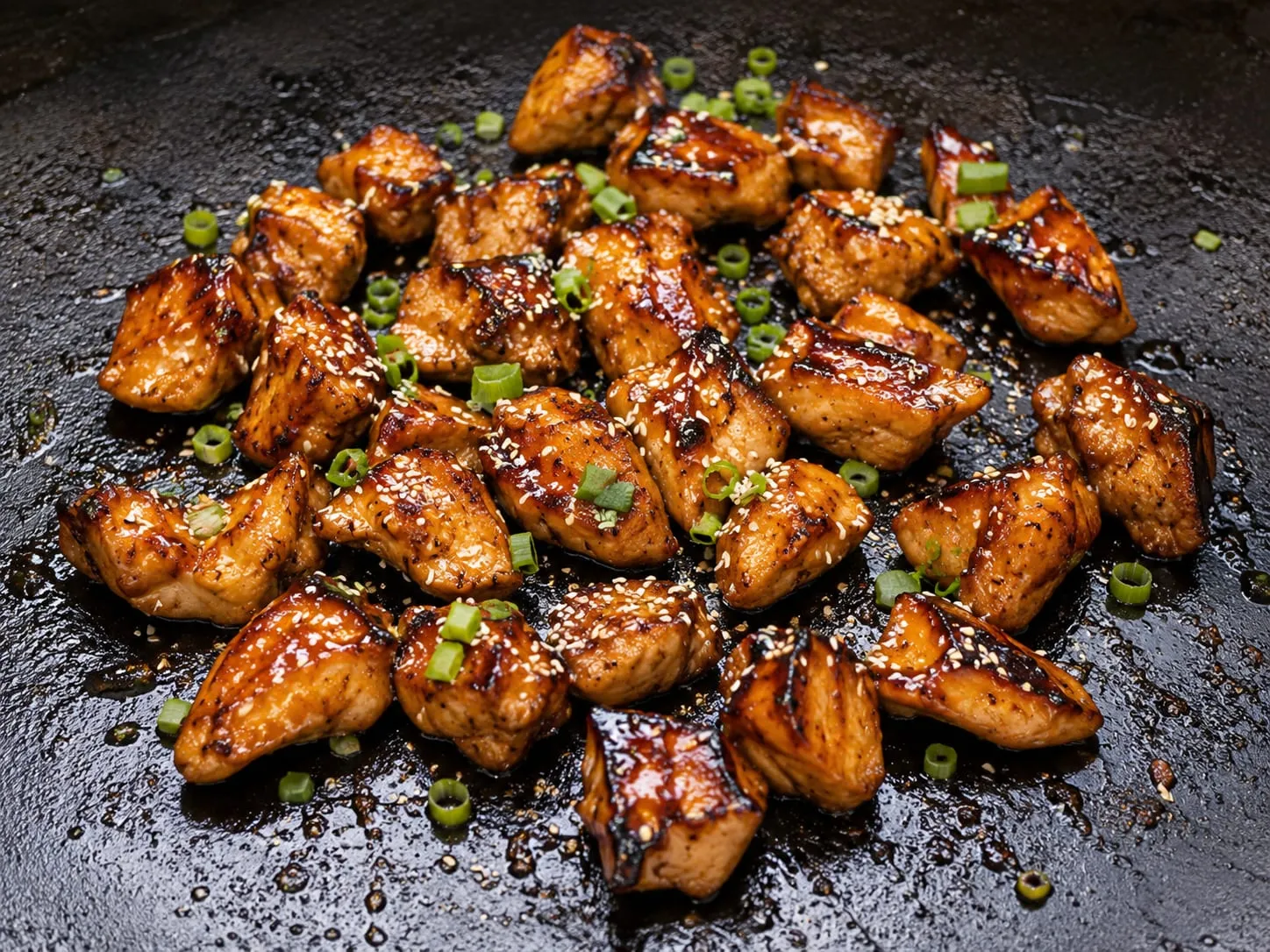
Blackstone Teriyaki Chicken: Caramelized Glaze, Homemade Sauce
Blackstone teriyaki chicken with caramelized thighs, homemade glaze, and stir-fried vegetables over rice, a fast, flavor-packed weeknight dinner on the flat-top.
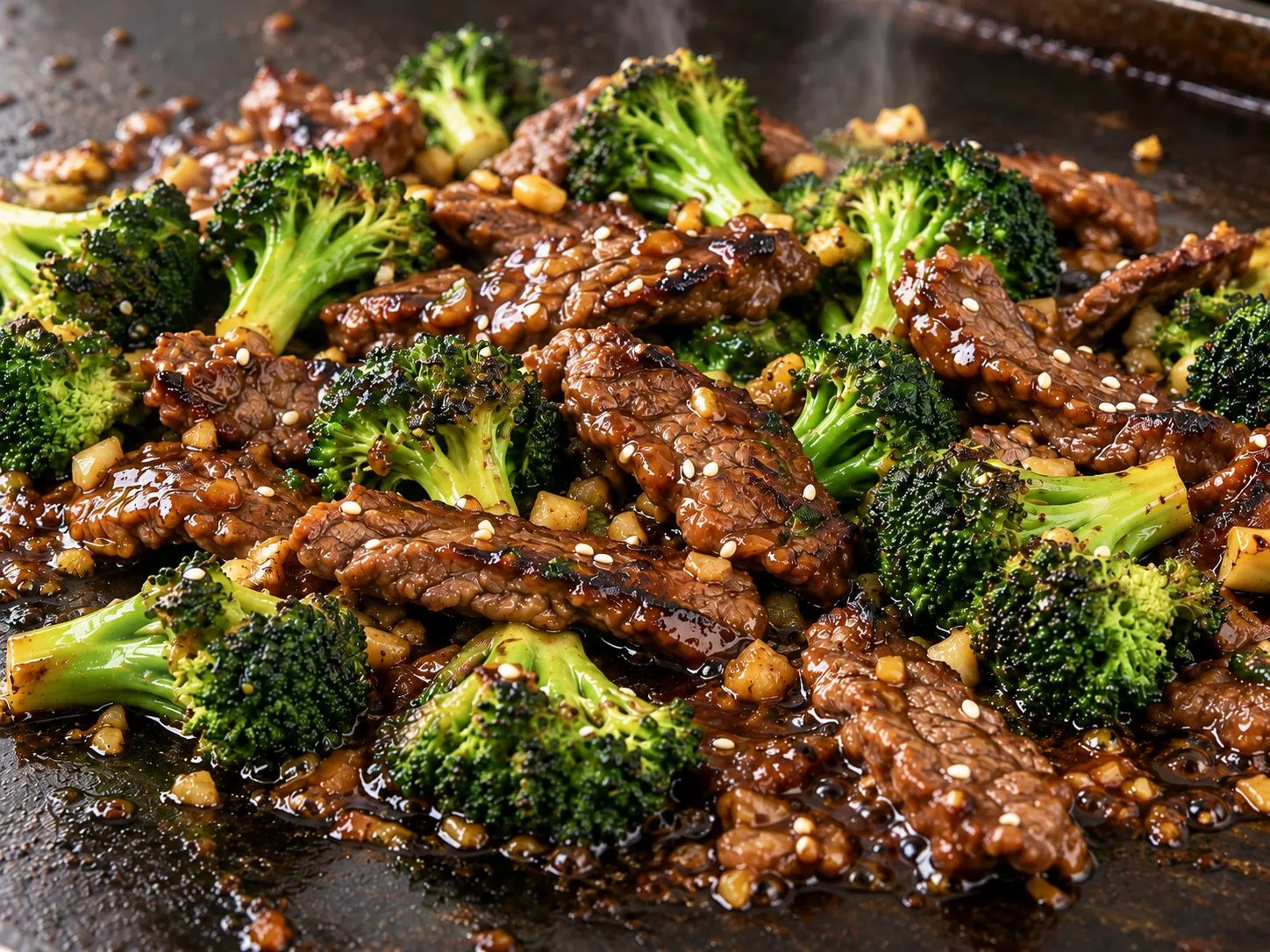
Blackstone Beef and Broccoli
Beef and broccoli on a Blackstone griddle: velveted flank steak seared hard, broccoli charred crisp-tender, tossed in a glossy oyster sauce. Ready in 35 minutes.
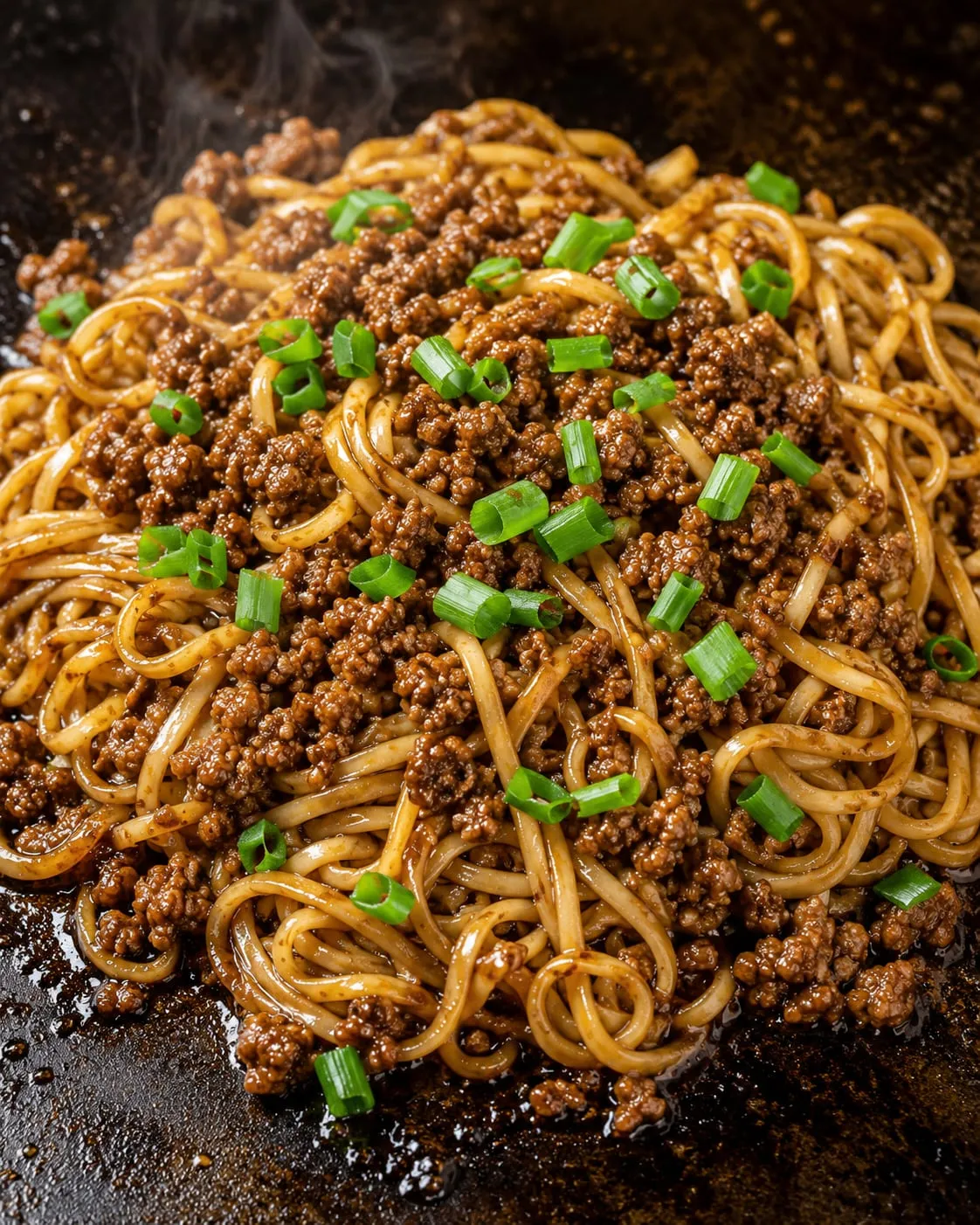
Blackstone Mongolian Ground Beef Noodles: 25-Minute Recipe
Mongolian ground beef noodles on a Blackstone griddle: savory-sweet sauce, tender lo mein noodles, and seasoned ground beef all on one flat-top in under 25 minutes.