
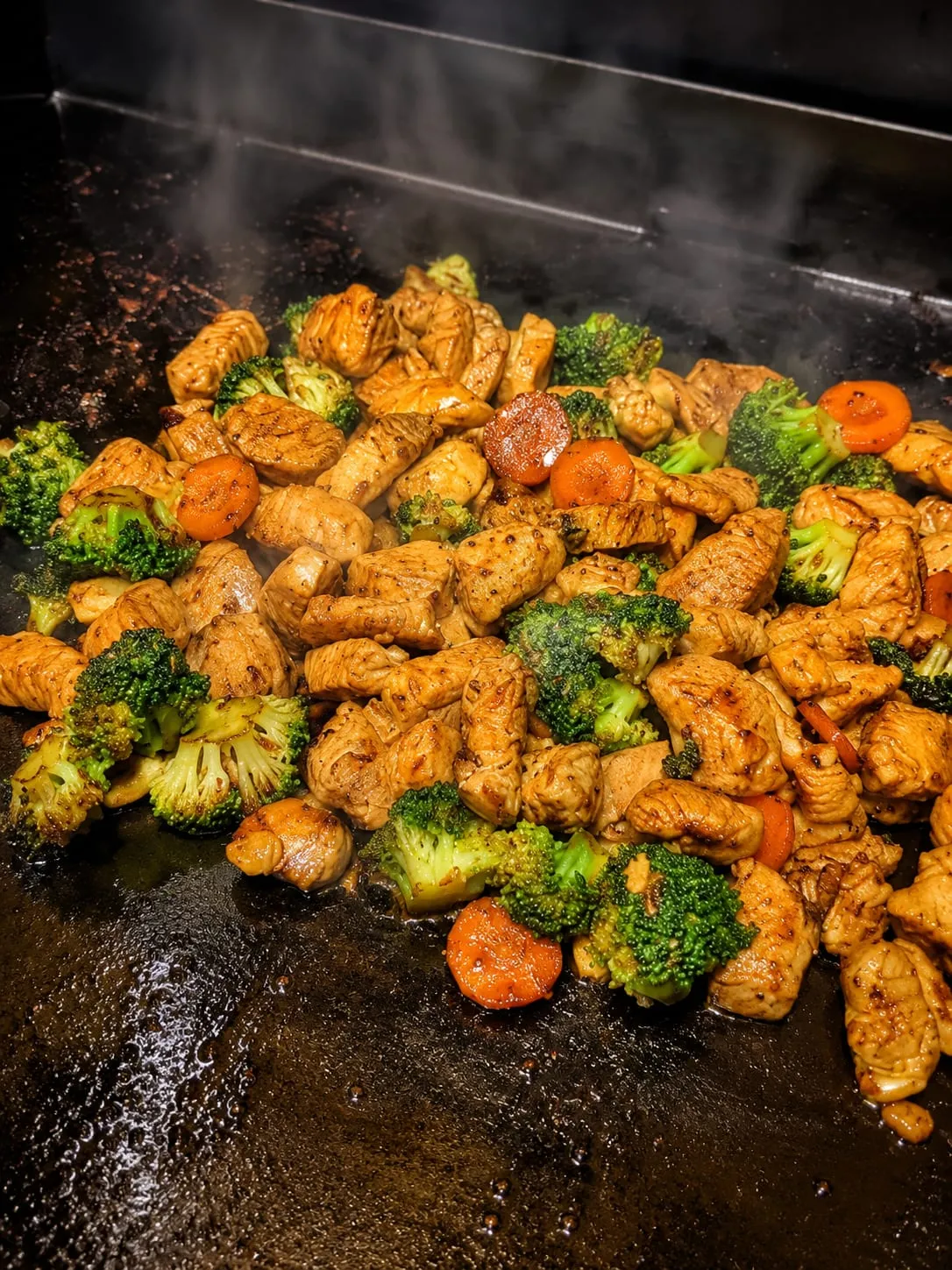
Blackstone Chicken Stir Fry with Noodles: Better Than Takeout
The flat-top griddle is the best home substitute for a wok. The wide, screaming-hot steel surface gets hot enough to give vegetables and chicken the high-heat sear (the “wok hei”) that home stoves can’t produce. A wok on a standard burner doesn’t get hot enough; a Blackstone at medium-high does.
This stir fry uses chicken thighs (more flavorful than breast and more forgiving of the high heat), lo mein noodles, and whatever vegetables you have. The sauce is a classic Chinese-American stir fry blend: soy, oyster sauce, sesame, and a little hoisin for sweetness.
Ingredients
Chicken:
- 1.5 lbs boneless, skinless chicken thighs, cut into 1-inch pieces
- 2 tbsp soy sauce
- 1 tbsp cornstarch
- 1 tsp sesame oil
- ½ tsp white pepper
Noodles:
- 12 oz dried lo mein noodles (or spaghetti as a substitute)
- 1 tbsp sesame oil (to toss after cooking)
Vegetables:
- 2 cups broccoli florets
- 1 red bell pepper, sliced
- 1 cup snap peas
- 1 medium carrot, julienned
- 4 cloves garlic, minced
- 1 tbsp fresh ginger, grated
- 4 green onions, sliced
Stir Fry Sauce:
- 3 tbsp soy sauce
- 2 tbsp oyster sauce
- 1 tbsp hoisin sauce
- 1 tbsp rice vinegar
- 1 tbsp sesame oil
- 1 tsp sugar
- 1 tsp cornstarch
- 2 tbsp water
For cooking:
- 2 tbsp avocado oil or vegetable oil (high smoke point)
Instructions
Step 1: Marinate the chicken. Toss chicken pieces with soy sauce, cornstarch, sesame oil, and white pepper. Let sit 10 minutes minimum while you prep everything else. The cornstarch creates a light coating that helps the chicken brown and keeps it juicy.
Step 2: Cook the noodles. Boil noodles according to package directions until just al dente. Drain, rinse with cold water, and toss with 1 tbsp sesame oil to prevent sticking. Set aside.
Step 3: Mix the sauce. Combine all sauce ingredients in a small bowl. Set next to the griddle. The cook moves fast.
Step 4: Sear the chicken. Preheat Blackstone to high (450°F+). Add 1 tbsp avocado oil. Add chicken in a single layer. Don’t crowd it. Let sit undisturbed 2-3 minutes until deeply browned on one side. Flip and cook another 2 minutes, until the pieces reach 165°F. The chicken should be slightly caramelized, not gray. Push to a low-heat zone when done.
Step 5: Cook the vegetables. Add remaining oil to the hot zone. Add broccoli and carrots first (hardest vegetables). Cook 2 minutes. Add bell pepper and snap peas. Cook 1 minute. Add garlic and ginger. Cook 60 seconds, stirring constantly. The griddle should be screaming hot; the vegetables should char slightly on the edges.
Step 6: Add noodles and combine. Add the cooked noodles to the hot zone with the vegetables. Spread them out across the hot surface and let them sit for 60 seconds. You want the noodles to pick up some char. Toss everything together with two spatulas. Add the chicken back in.
Step 7: Sauce and finish. Pour the sauce over everything. Toss aggressively with a wide spatula to coat. The cornstarch in the sauce will thicken it in about 60 seconds on the hot surface. Toss in green onions. Taste and adjust: more soy for saltiness, more hoisin for sweetness, more vinegar for brightness.
Step 8: Serve. Plate immediately. Top with sesame seeds and sliced green onions.
The Key: Don’t Steam the Vegetables
The most common mistake in stir fry on any surface (including the Blackstone) is adding too many vegetables at once and getting steam instead of sear. The vegetables release water as they heat up, and if they’re crowded, that water turns to steam and the vegetables braise instead of char.
On the Blackstone: spread the vegetables out, give them space, run the heat high, and resist the urge to stir constantly. Let them sit for a minute at a time. You want slightly charred edges, not soft and gray.
Variations
Beef Stir Fry: Replace chicken with flank steak or sirloin, sliced thin against the grain. Marinate the same way. Sear at high heat 1-2 minutes per side. Beef should be slightly pink in the center when you pull it.
Shrimp Stir Fry: Replace chicken with large shrimp (peeled and deveined). Skip the marinade. Season with salt, pepper, and a little garlic powder. Shrimp cook in 90 seconds per side, add them last and toss with the noodles and sauce.
Lo Mein vs. Chow Mein: Lo mein uses soft boiled noodles tossed in sauce (this recipe). Chow mein uses the same noodles but pan-fries them until crispy before adding sauce. For the crispy version, add the noodles to the hot griddle first and don’t move them for 3 minutes, then toss, or follow the full shrimp chow mein recipe.
Tips
Work in batches. The single biggest stir-fry mistake on any surface is crowding. Cook the chicken in one batch, vegetables in another: the steel stays hot and everything sears instead of steaming.
Sauce goes on last. The sugars in stir-fry sauce burn quickly at 450°F. Toss everything with the sauce in the final minute, just long enough to coat and thicken.
Prep every ingredient before the burners go on. Stir-fry moves too fast to chop mid-cook. Bowls of prepped ingredients lined up next to the griddle is the difference between calm and chaos.
Keep it moving once combined. After the sauce hits, constant motion prevents scorching and gets every piece coated evenly.
More flat-top recipes: Blackstone Asian Recipes · Blackstone Chicken Recipes
Frequently Asked Questions
What noodles are best for stir fry on a Blackstone?
Lo mein noodles are the most authentic and work great. They’re thick enough to hold up to high heat and tossing. Yakisoba noodles are another good option. In a pinch, standard spaghetti or linguine works; cook al dente, rinse cold, and toss with sesame oil.
Can you make stir fry on a Blackstone?
Yes, and the results are better than most home setups because the Blackstone gets hot enough to produce the high-heat sear (wok hei) that home stoves can’t achieve. The wide flat surface also lets you cook a large batch at once without crowding, which is the key to proper stir fry texture.
How do you prevent stir fry from steaming on the Blackstone?
High heat, small batches, and don’t stir constantly. Add vegetables in stages (hard ones first), spread them out in a single layer, and let them sit for a minute before tossing. Crowded vegetables at low heat steam; spread-out vegetables at high heat char.
What oil should you use for stir fry on a Blackstone?
High smoke point oil: avocado oil, vegetable oil, or canola. Sesame oil is used for flavor at the end. It burns at high stir fry temperatures if you try to cook with it. Use sesame oil in the sauce and for tossing, not for the initial sear.
What temperature do you cook chicken stir fry on a Blackstone griddle?
Cook chicken stir fry at 450 degrees F (high heat) on a Blackstone griddle. Stir fry needs the highest heat you can get. This produces the char and fast cook that keeps vegetables crisp and chicken juicy. Spread the vegetables out and let them sit a minute at a time between stirs so they char instead of steaming.
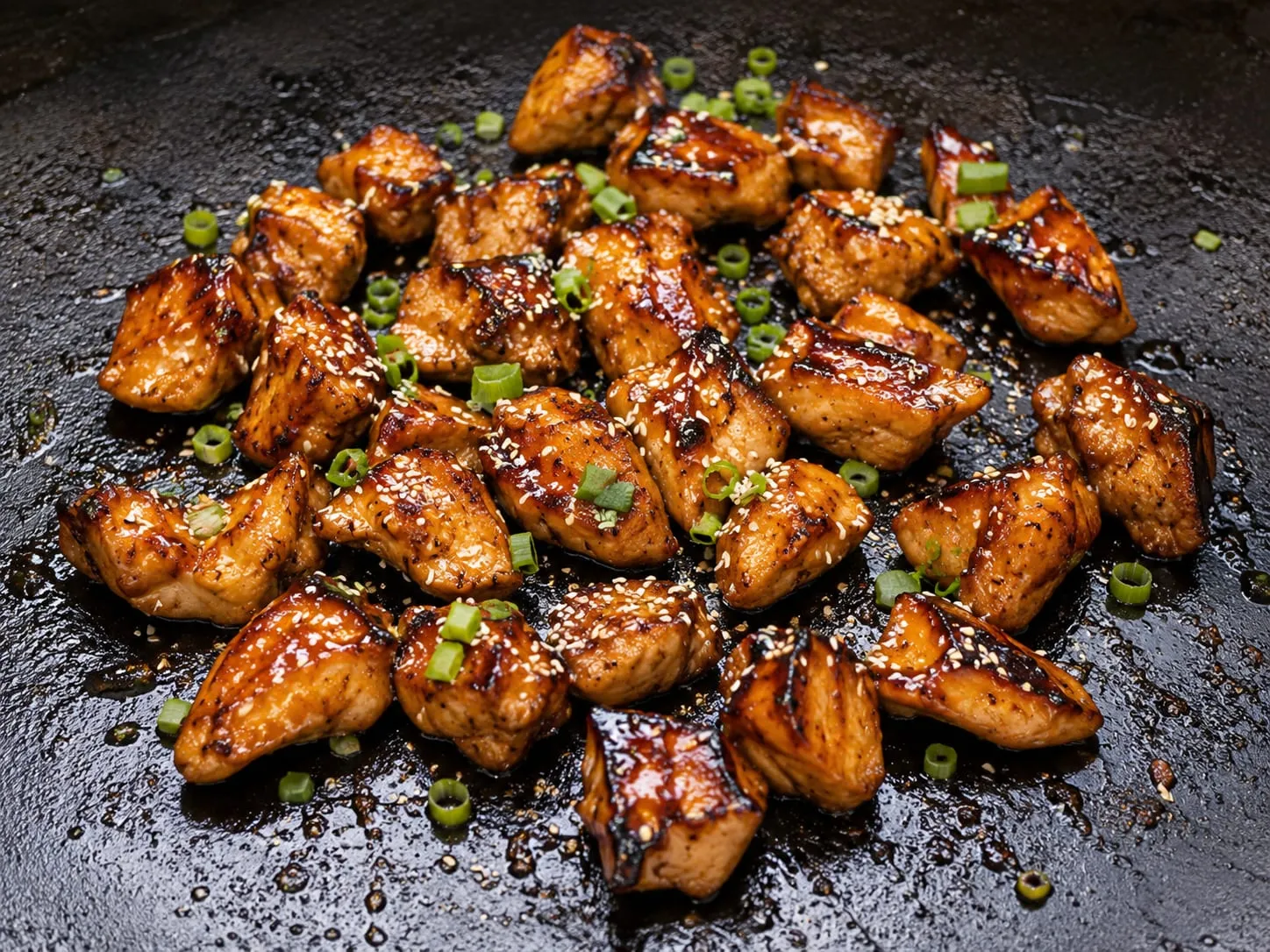
Blackstone Teriyaki Chicken: Caramelized Glaze, Homemade Sauce
Blackstone teriyaki chicken with caramelized thighs, homemade glaze, and stir-fried vegetables over rice, a fast, flavor-packed weeknight dinner on the flat-top.
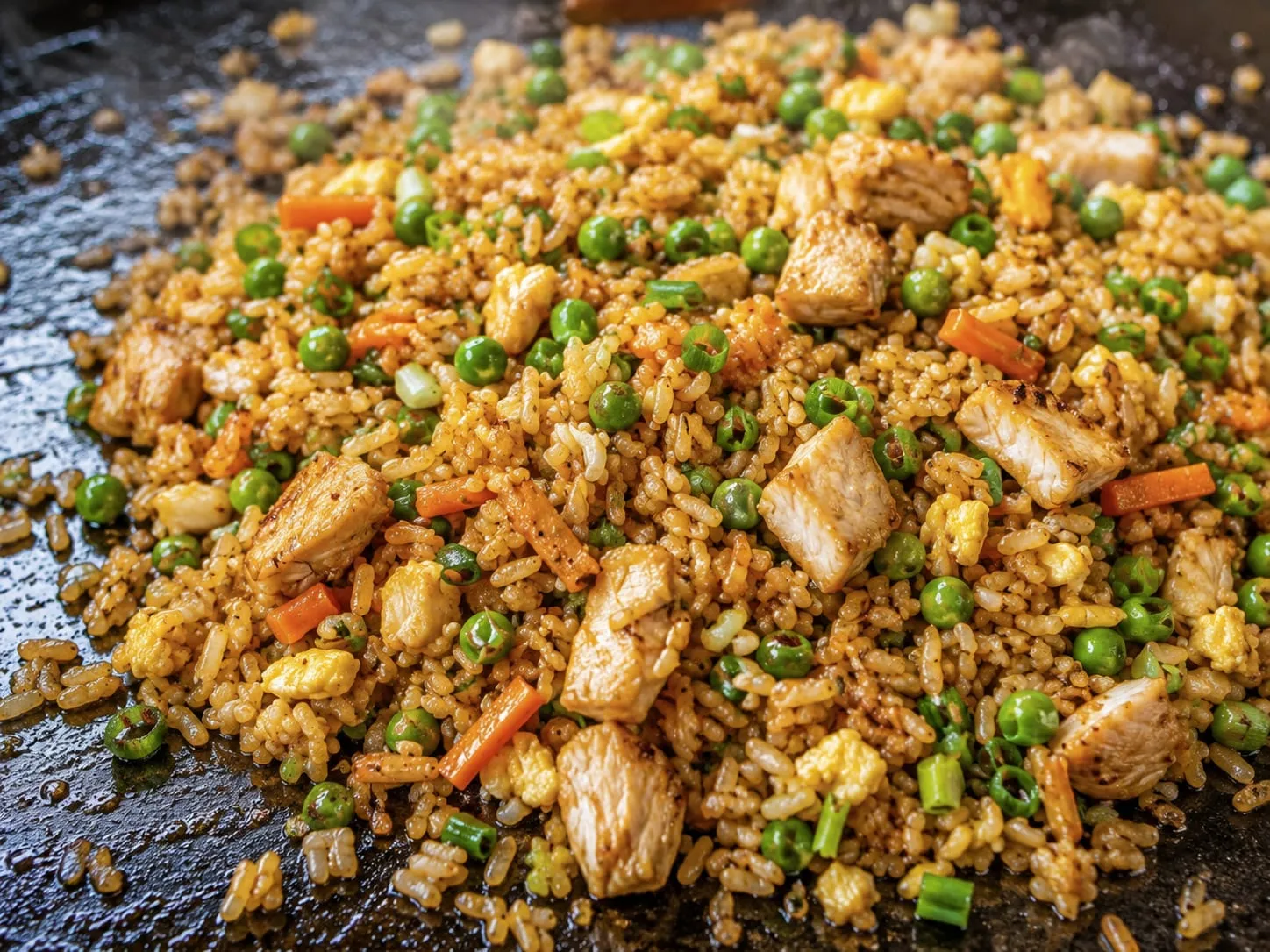
Blackstone Chicken Fried Rice: A Complete One-Griddle Meal
The best Blackstone chicken fried rice, seasoned thighs, day-old rice, eggs, and vegetables stir-fried on a screaming-hot flat-top in 25 minutes.
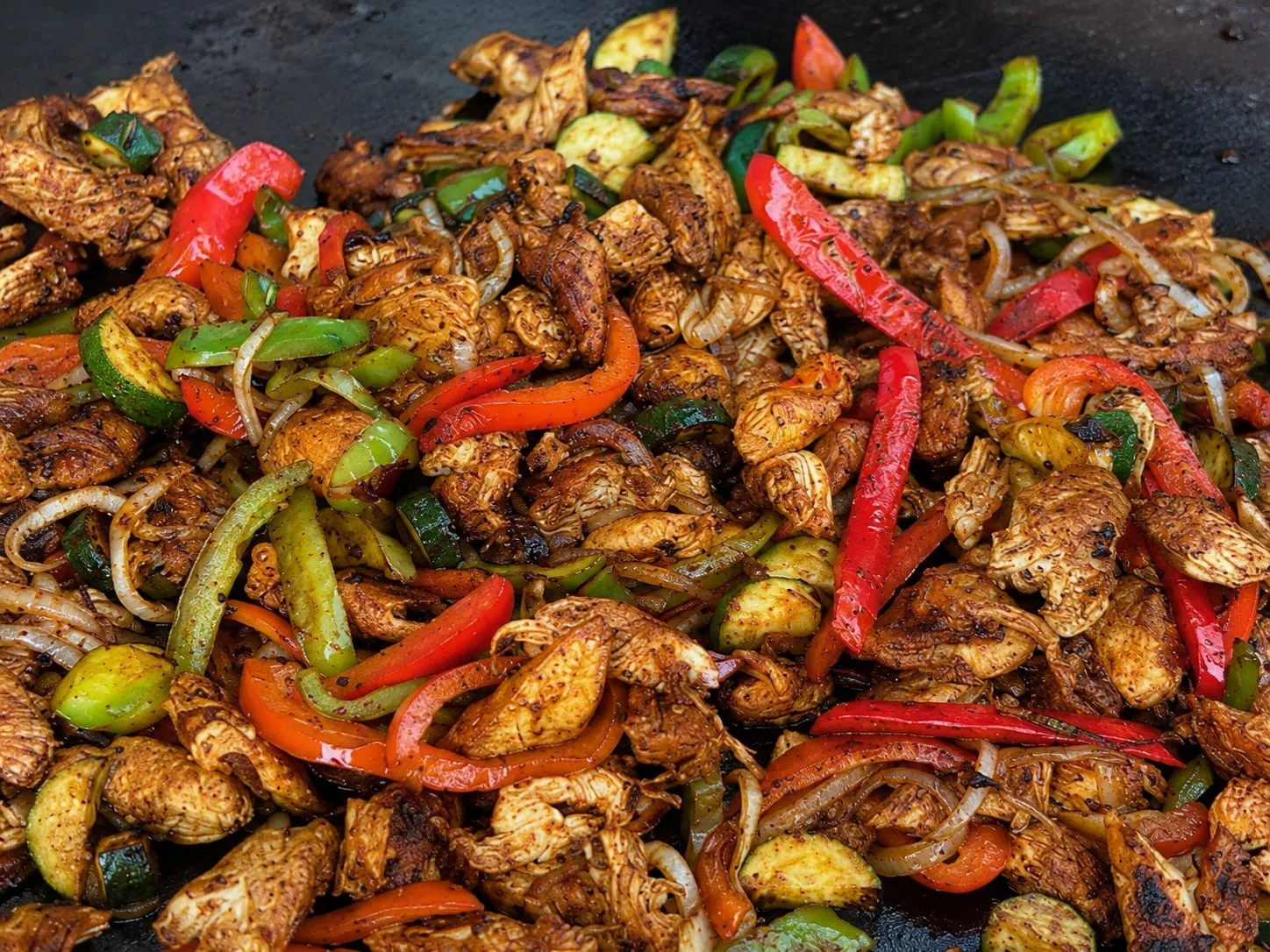
Blackstone Chicken Fajitas Recipe: Sizzling Flat-Top Method
Juicy marinated chicken fajitas cooked on a Blackstone griddle with charred peppers and onions, better than any restaurant version and ready in under 30 minutes.